
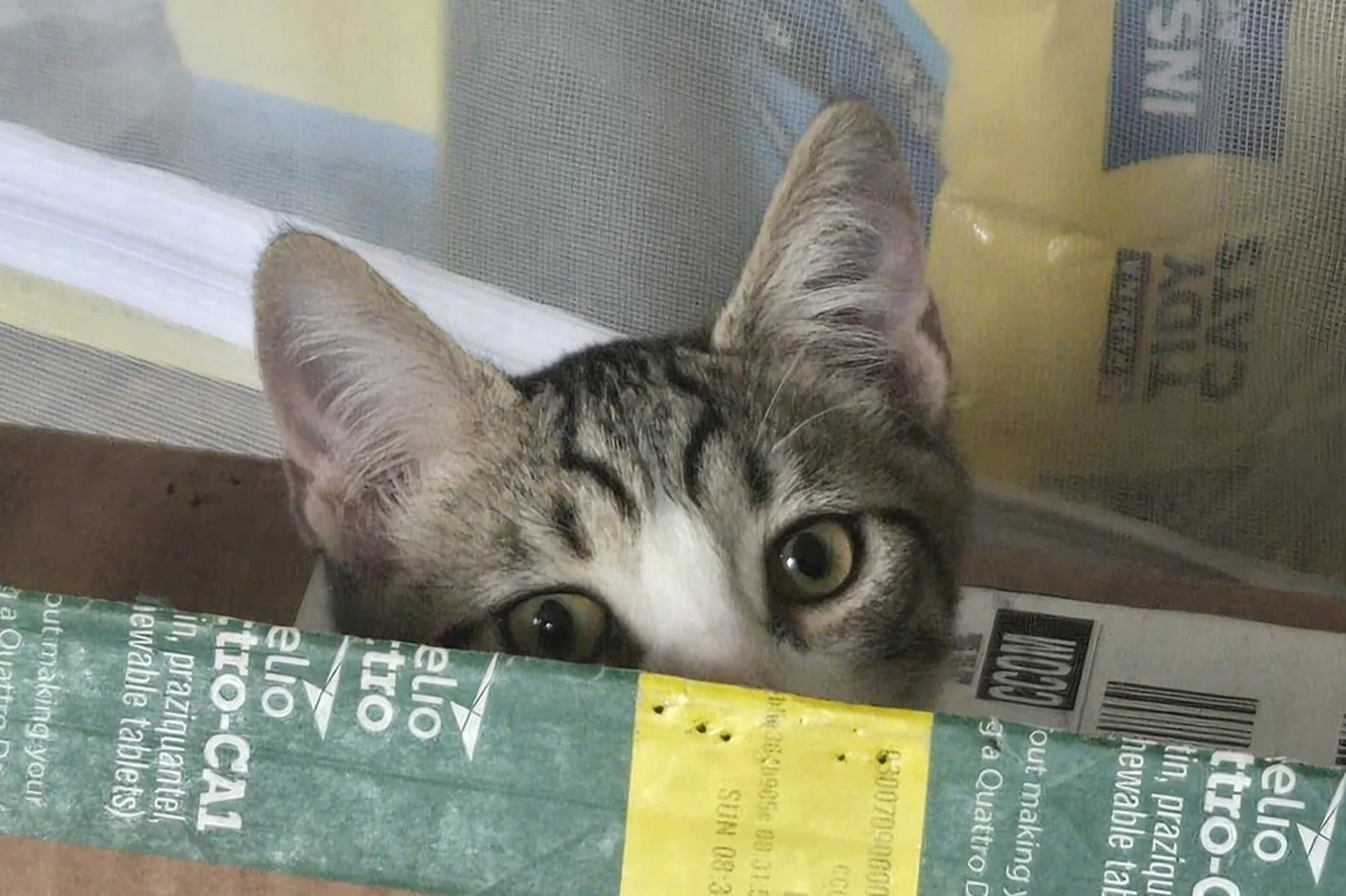
By the middle of July, with summer in full swing, we are into the hardest stretch of our whole year, the season we quietly call the hard season. Foster homes are full, the kittens keep coming, and there is a familiar worry in the air.
The kittens are part of it, of course, and there are always more than any rescue can comfortably manage. What catches people off guard is the second wave: grown cats whose families are heading out of town, sometimes with no plan for the pet left behind.
Why summer is our hardest season
Every year, once school lets out, shelters across the country report requests to surrender pets climbing week after week. The reasons are familiar: a family relocating for work, a child leaving for college, a lease that fell through, or a vacation booked with no plan for the cat. Summer is a season of upheaval, and the cat is often the one who absorbs it.
The numbers match what we see every summer. In 2025, about 5.8 million dogs and cats entered U.S. shelters, and the share arriving as owner surrenders rose to 30 percent, up from 29 percent the year before. A single percentage point sounds minor until you spread it across millions of animals, and cats make up more than half of what comes through shelter doors. All of it converges during kitten season, when shelters are already overwhelmed with litters. More cats are adopted in spring through July when the new kittens are available, but the volume of cats coming in far outweighs adoptions, especially in a challenging economy.
Then there is the quieter heartbreak few people talk about, the cat left behind entirely when people move out. It happens more often than you would guess, usually out of panic or a lack of options, by people who never knew help existed or did not plan ahead to either take or rehome their pets.
The plan that keeps your cat safe
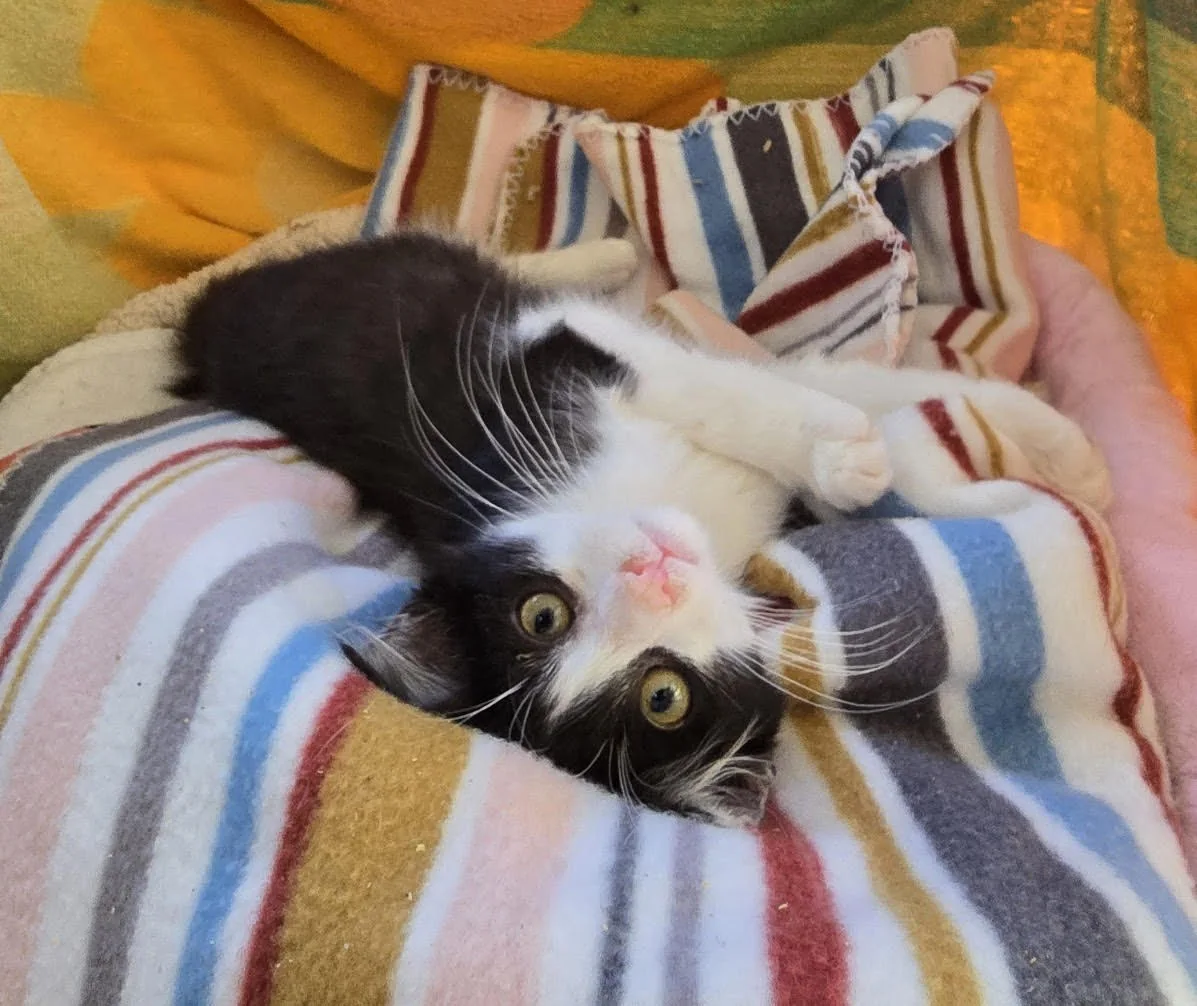
Keeping your cat safe over the summer is usually simpler and less expensive than people expect.
Even if just leaving on vacation, the key is to plan ahead. Good pet sitters book up fast. Here is the part I want every cat owner to remember. A healthy adult cat should never be left completely alone for much more than a day, and even then she needs fresh water, a clean litter box, and a real visit from someone who will lay eyes on her. For any trip beyond 24 hours, the safest choices are a trusted in-home pet sitter or a reputable boarding facility, and an in-home sitter is often the more affordable of the two. For a short weekend, a neighbor or friend stopping by each day will usually be enough.
Before you leave, make certain your cat is microchipped with your current phone number, and give your sitter your veterinarian's details and written care notes. If money or a housing change has you considering giving your cat up, please know you have other options. Low-cost and no-cost spay and neuter programs, pet food pantries, and rehoming help are more common than people realize, and a quick online search will surface options near you. Spaying or neutering before an accidental escape is also the surest way to prevent a surprise litter.
If you come across kittens outdoors, resist the urge to gather them up right away, because a clean, plump litter most likely has a mother nearby who is off hunting, and waiting a few hours can be the difference that saves them. If they truly are alone and you step in, a quick search for how to care for orphaned kittens brings up step-by-step videos.
The whole plan costs very little. What it takes is a bit of forethought, begun earlier than feels necessary.
How the rest of us can help
Rescue only works because ordinary people keep showing up, and summer is when we need them most. Fostering a litter for even a few weeks can be the whole difference for a kitten, since a few weeks of your life can mean a kitten gets to have one. There are gentler ways to help too: staffing an event, covering a single spay surgery, or sharing a post that reunites a lost cat with her family. And when a neighbor mentions money has gotten tight, a little support early can keep a hard month from becoming a trip to the shelter.
At Helen Sanders CatPAWS, our work grows from one plain belief, that the best way forward is helping people help themselves and the cats they care about. We rescue at-risk cats and kittens from public shelters, run a low-cost spay and neuter clinic, and put practical tools and know-how straight into our neighbors' hands, because saving lives and making smiles was never something any of us could do alone.
The hard season, made a little softer
The hard season will come around again next summer, the way it always does. What eases it is the quiet pile-up of small, early choices: the sitter booked back in spring, the chip updated before the bags are packed, the litter left with its mother a few hours longer. Those decisions add up to lives.
Every cat deserves a full, safe, and cherished life, and this summer, you can be the reason one of them gets it.
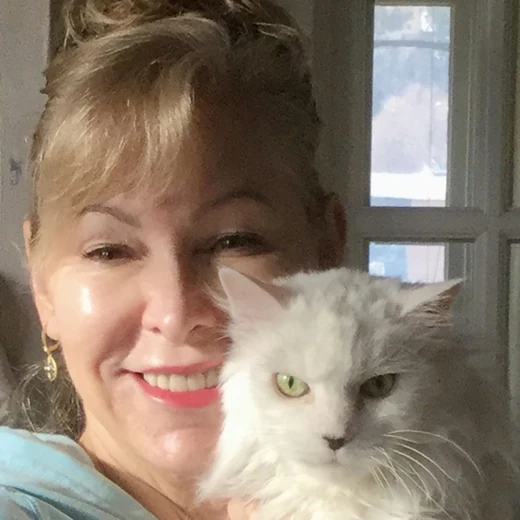
Deborah Felin-Magaldi is the Director of Helen Sanders CatPAWS, a volunteer-run nonprofit cat rescue serving the Seal Beach area of Southern California. She began fostering more than twenty years ago and has led the organization since 2010, growing it from a grassroots colony-care effort into a multi-program rescue known for its DIY Kitten Kit Program and a low-cost spay/neuter clinic. Meet the cats waiting for homes at helensanderscatpaws.com/adopt.



Loading comments…