

There is a conversation quietly unfolding throughout the health, wellbeing and consciousness industry that few people are having openly.
Behind the inspirational social media posts, beautifully branded websites, and growing online communities, many practitioners, coaches, healers, therapists, yoga teachers, and holistic entrepreneurs are wrestling with a difficult question: How do I share my gifts with the world without becoming consumed by self-promotion?
For many, the wellness path began as a calling rather than a career. It emerged from a desire to help people heal, grow, awaken, and live more meaningful lives. Yet somewhere between purpose and profitability, many discover that building a successful practice often requires skills they never expected to need—marketing, branding, sales, content creation, networking, and constant visibility.
The challenge is not that these activities are inherently wrong. The challenge is that they can easily pull us away from the very values, like mindfulness and presence, that inspired our work in the first place. Many wellness professionals find themselves trapped between two competing beliefs. On one side is the desire to remain authentic, humble, and service-oriented. On the other is the pressure to stay visible, build an audience, and compete in an increasingly crowded marketplace. The result is a quiet but pervasive struggle: a fear that success requires sacrificing authenticity.
Fortunately, a new perspective is emerging—one that bridges consciousness, awareness, mindfulness, and business into a practical system for sustainable growth. Rather than viewing spirituality and business as opposing forces, this approach recognizes that business can become an extension of conscious living.
The Missing Link Between Inner Growth and Outer Success
The wellness industry has spent decades teaching people how to cultivate inner peace, emotional intelligence, and mindful awareness. Yet many professionals receive little guidance on how to apply these same principles to marketing and business.
As a result, many default to traditional marketing models built on scarcity, competition, and attention-seeking. But what if there is another way? What if marketing could become an act of service rather than self-promotion? What if visibility could be aligned with purpose rather than ego? What if business growth could emerge from awareness instead of anxiety?
The answer begins with understanding the relationship between consciousness, awareness, and mindfulness. Consciousness represents our deepest connection to purpose and meaning. Awareness allows us to observe our thoughts, emotions, and behaviors. Mindfulness helps us remain present while taking action. Together, they create a framework that transforms how we approach business.
Shift from Self-Promotion to Service
One of the greatest misunderstandings in business is the belief that marketing is primarily about convincing people to pay attention to us. This mindset often creates discomfort for wellness practitioners because it feels self-centered and misaligned with their values. A more conscious approach reframes marketing as an act of service. Instead of asking: "How do I get more people to notice me?" Ask: "How can I make my work more accessible to people who need it?"
This subtle shift changes everything. When service becomes the focus, visibility no longer feels like self-promotion. Sharing your expertise becomes an opportunity to educate, inspire, and support others. The energy behind the message matters. People are naturally drawn to authenticity. They can sense the difference between someone seeking attention and someone seeking to help. When marketing is rooted in contribution, it becomes an extension of your mission rather than a distraction from it.
Use Awareness as Your Internal Compass
Many business challenges are not actually external problems. They are internal patterns that surface through business activities. Pricing fears. Imposter syndrome. Comparison with competitors. Fear of rejection. Fear of being judged online.
These experiences are common in the wellness space because many practitioners are deeply empathetic and highly self-aware. Rather than treating these challenges as obstacles, awareness invites us to see them as opportunities for growth.
Every marketing activity becomes a mirror. Notice what emotions arise when you promote a workshop. Observe your thoughts when someone declines an offer. Pay attention to the stories you tell yourself about success, money, and visibility.
Awareness creates choice. Without awareness, we react automatically to fear and uncertainty. With awareness, we can respond intentionally and align our decisions with our values. In this way, business becomes more than a profession. It becomes a path of personal development.
Practice Mindful Action Instead of Reactive Action
The modern business world rewards speed. Post more. Create more. Launch more. Respond faster. Produce endlessly. In a book I’m a contributor to Marketing for Leaders: 11 Keys to Building Trust, Clarity, and Connection in a Noisy World, I call this MBF. More Better Faster.
Yet constant activity often leads to burnout, especially among wellness professionals whose work depends on presence, compassion, and emotional connection. Mindfulness offers a different path. Mindful action is not about doing less. It is about bringing greater presence to what we do.
Before posting online, pause and reconnect with your intention. Before launching a program, ask whether it genuinely serves your audience. Before saying yes to every opportunity, consider whether it aligns with your purpose. Mindfulness transforms action from a reactive process into a conscious one.
Ironically, many entrepreneurs discover that when they become more intentional, their communication becomes more effective. Their message becomes clearer. Their audience becomes more engaged. Their business grows in ways that feel sustainable and aligned.
A Practical System for Conscious Business
When combined, these three principles create a powerful framework:
Consciousness asks: Why am I doing this?
Awareness asks: What is happening within me as I do it?
Mindfulness asks: How can I engage with presence and intention?
This simple system provides a bridge between personal growth and professional success. It allows practitioners to remain connected to their purpose while navigating the realities of business. It creates space for growth without compromising integrity. Most importantly, it reminds us that success does not require becoming someone else.
The Future of Wellness Entrepreneurship
As the wellness industry continues to evolve, authenticity is becoming more valuable than ever. People are no longer seeking perfect brands. They are seeking genuine connection. They want teachers who embody their teachings. They want practitioners who lead with integrity. They want businesses that reflect human values.
The future belongs to those who can integrate consciousness with commerce, purpose with profitability, and mindfulness with meaningful action. The question is no longer whether wellness professionals should market themselves. The question is whether they can do so in a way that honors who they are. For a growing number of conscious entrepreneurs, the answer is yes.
When consciousness guides purpose, awareness provides insight, and mindfulness shapes action, marketing becomes service, business becomes practice, and meaningful work can flourish without losing its soul. And for those of us who are health-conscious, focused on holistic health, personal growth, and conscious living, that is a win.

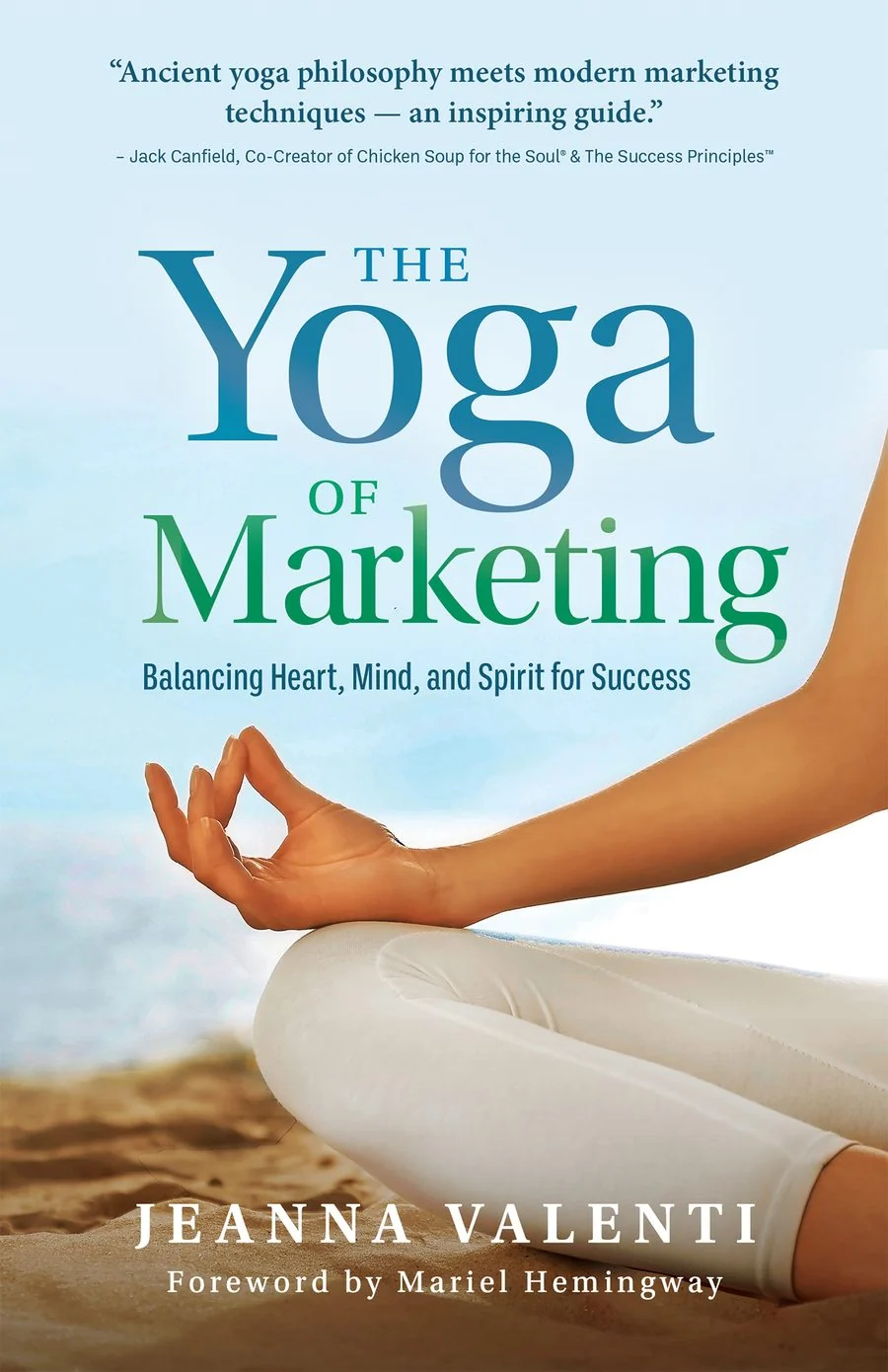
Jeanna Valenti is the principal of LightBox Media, a marketing and public relations firm based in Scottsdale, Arizona. She is the author of The Yoga of Marketing: Balancing Heart, Mind and Spirit for Success. Jeanna is a contributor to Marketing for Leaders:11 Keys to Building Trust, Clarity, and Connection in a Noisy World. She is a Seven Spiritual Laws of Yoga instructor, Reiki master, certified mindfulness and meditation instructor, owner of Meditate Scottsdale and a TEDx organizer. Jeanna holds a Master of Arts degree in Corporate Communications and a Bachelor of Arts degree in English. For more information, visit: lightboxpr.com.



Loading comments…