
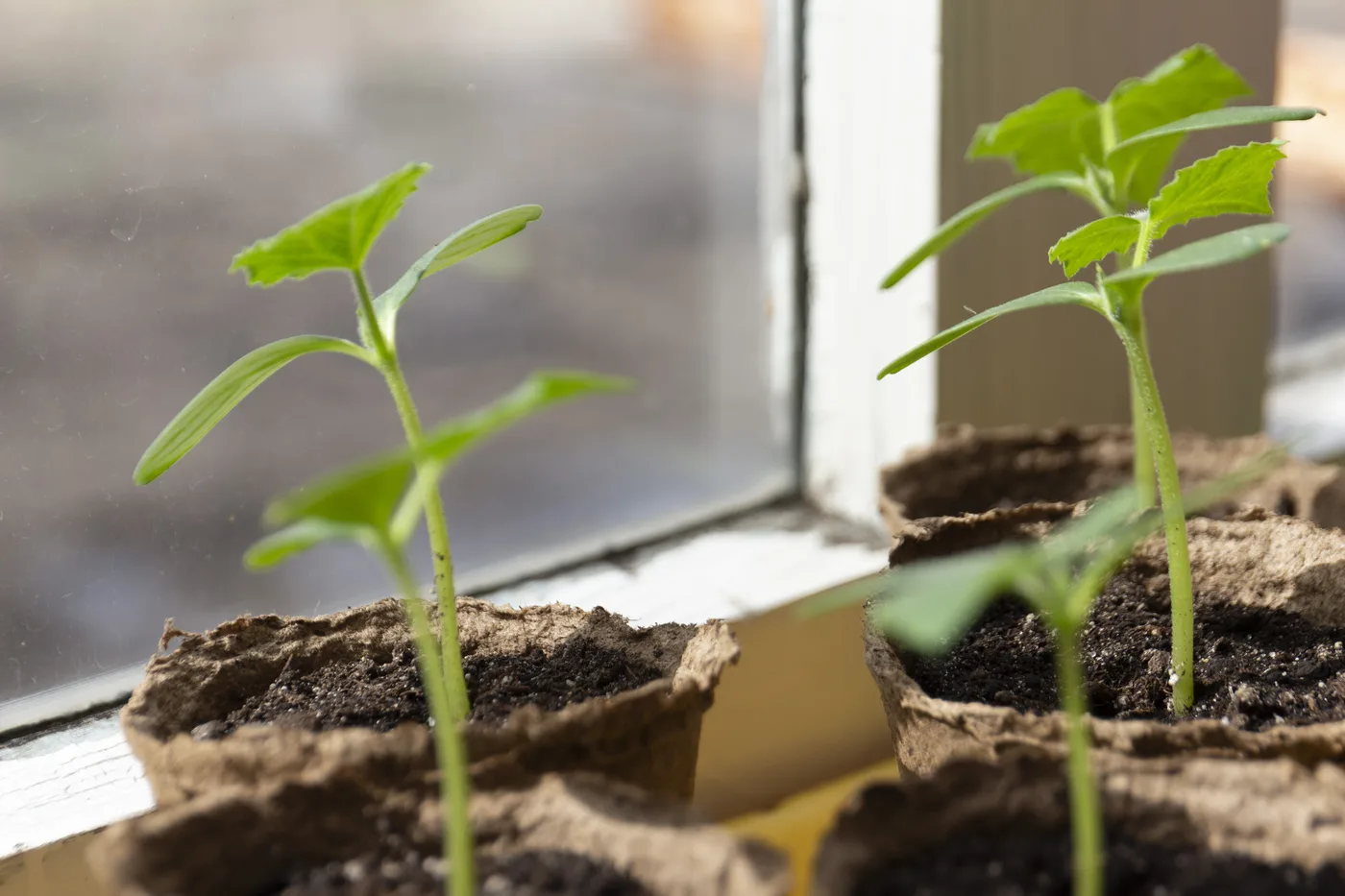
It arrives in the darkest part of the year, wedged between holiday cards and bills: a seed catalog, its cover crowded with tomatoes and zinnias and squash in colors that do not exist outside on a gray winter afternoon. You flip through it at the kitchen table. Outside, the garden is frozen mud and dead stalks. Inside, on the page, it is already July. For the length of a cup of coffee, you are planning a future you fully expect to arrive.
The oldest form of hope
Gardeners have been doing this for generations. In the coldest weeks, when nothing can be planted, they sit down with pencils and paper and decide what will grow. They circle varieties, sketch beds on graph paper, and argue with themselves about whether there is really room for another row of beans.
It looks like shopping, and it is partly that. But it is also something older: the decision, made in the dark, that the light will come back. A seed order is a small contract with the future. You are betting that spring will arrive, that you will be there for it, and that something you choose now will be worth tending months from now.
That kind of looking forward has value of its own, quite apart from what eventually grows. Researchers who have studied vacationers have found that much of the happiness people get from a trip comes before it begins, in the anticipation. Having something good on the horizon changes how the present feels, even when the present is short, cold days.
Why winter is the right time to plan
There is a practical reason the catalogs come now. Planning takes time, and seeds have their own calendar. Some, like peppers and onions, are often started indoors in late winter, weeks before the ground outside is ready. Others, like peas and spinach, can go into cool soil early in spring. Tomatoes usually wait until the danger of frost has passed, which across much of Long Island means sometime in spring, after the last cold nights of April.
Winter is the quiet season that makes those later decisions possible. You have the time now that you will not have in May, when everything needs doing at once.
But the larger reason is emotional. Planning in winter turns the dead season into a waiting season. The garden is not over. It is resting, and you are getting it ready.
You do not need a garden
This practice is not only for people with backyards. A sunny windowsill holds a pot of basil. A fire escape or a small balcony can hold a container of cherry tomatoes. A single planter by the front door can hold marigolds that bloom from early summer until frost.
Some public libraries now run seed libraries, where you can borrow a few packets for free and, if things go well, bring back seeds from your own plants at the end of the season. Neighbors with gardens are often glad to share extra seedlings in spring. The entry cost is lower than most people think.
What matters is not the size of the plan. It is having one.
How to plan a season
Choose one thing you truly want to see. Not what you should grow, but what you would be glad to walk past in July. A row of sunflowers. A pot of mint for summer drinks. The heirloom tomato your grandfather used to grow.
Write it down by hand. Put the plan on paper: what you will grow, where it will go, and when it should start. A plan written in pencil feels different from a wish held in your head. It becomes something you have committed to.
Put a date on the calendar. Find out when your chosen plant should be started, and mark that day. On a gray February morning, it gives you something to look forward to that is not far off and not vague. It is a specific day, with a specific small task.
Buy or borrow the seeds now. Holding the packet makes the plan real. Keep it somewhere you will see it, on the fridge or the windowsill, rather than in a drawer.
Plan for a little failure. Not every seed comes up. Squirrels have their own plans. A cold snap can take a row of seedlings overnight. Gardeners learn to plant a few extra and to treat losses as part of the bargain. That attitude is useful well beyond the garden.
Read the small print
The photographs in a catalog are the dream. The small print is the plan. Most listings say how many days a plant needs from planting to harvest, how much sun it wants, and how far apart to space it. Those three lines tell you more than the picture does.
A plant that needs full sun wants six or more hours of direct light a day, so it is worth watching where the sun actually falls on your windowsill or yard before you choose. A short season variety suits a late start. And spacing matters more than beginners expect: crowded plants compete for light and water, and a few healthy ones give more than many cramped ones. Reading this way turns browsing into a real decision, which is where the quiet satisfaction begins.
The longer game
Some plans take more than a season. A fruit tree may take years before it bears much. Asparagus, planted once, can come back every spring for many years. Planting these is a different kind of hope, a promise made to a version of yourself further down the road, and sometimes to whoever lives in the house next.
This is part of what makes gardening such a steady source of encouragement. It keeps asking you to imagine a future and then to act as though you believe in it. Over time, that habit spreads. People who plan gardens often find themselves planning other things with the same patience: a trip a year away, a skill learned slowly, a project that will not pay off this month.
What a catalog teaches
Look again at that catalog on the kitchen table. Every page is a picture of something that does not exist yet. Every variety listed began as a seed someone chose to plant, save and plant again, season after season, sometimes for generations. The whole thing is a record of people planning for a future they trusted would come.
You can join them this week. Choose one plant. Write down where it will grow and when it will start. Put the date on your calendar. Then, on the coldest morning of the winter, when the yard is frozen and the light is thin, you will know something the weather does not: that spring is already scheduled, and you have a part in it.



Loading comments…