
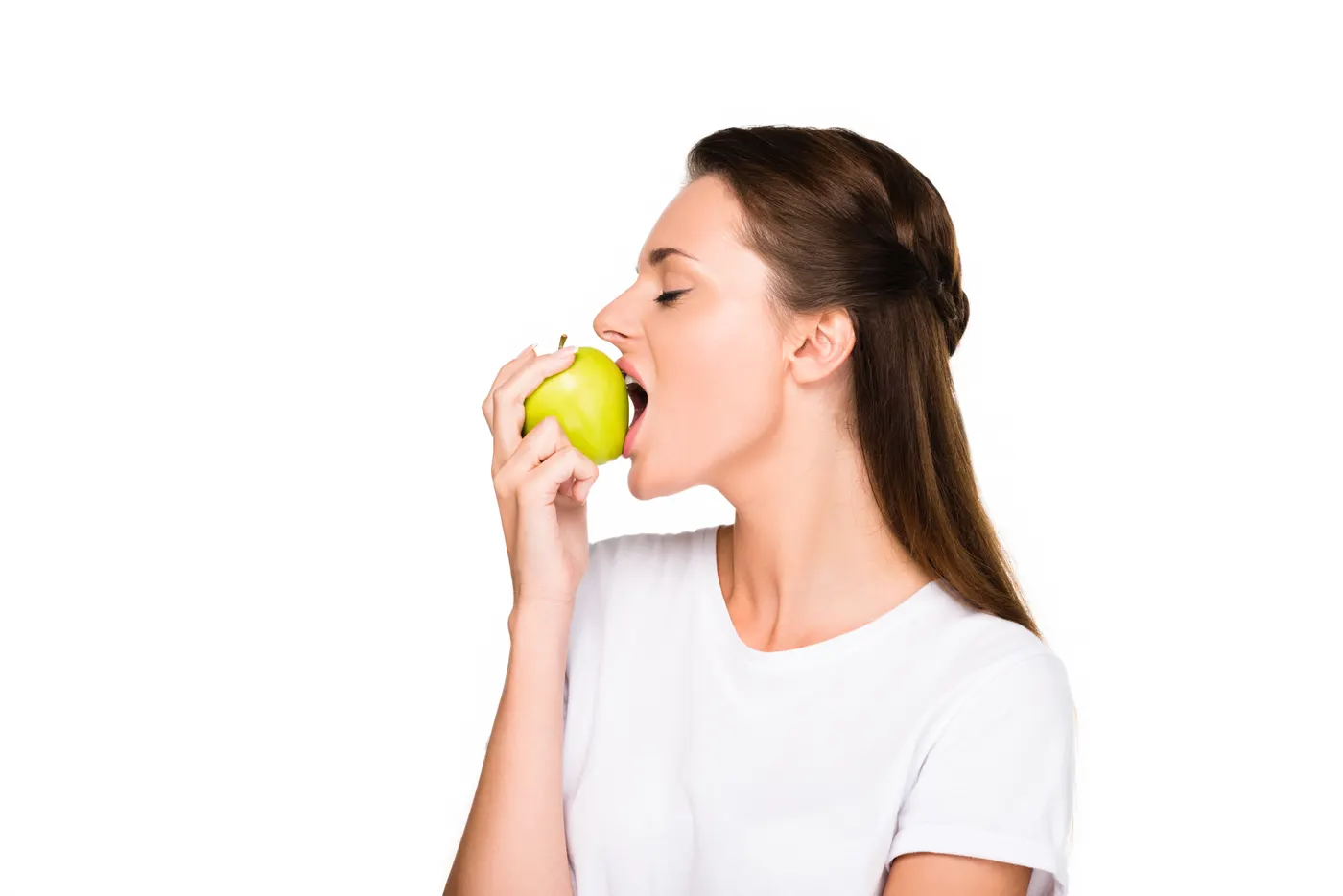
Oral health is about much more than having clean teeth and fresh breath. A healthy mouth supports proper nutrition, communication, self-confidence, and overall wellbeing.
The oral cavity contains a complex ecosystem of bacteria, fungi, and other microorganisms known as the oral microbiome. When this ecosystem is balanced, it helps protect teeth and gums. When it becomes disrupted—a condition called dysbiosis—the risk of tooth decay, gum disease, bad breath, and other oral health problems increases.
Daily brushing, flossing, regular dental visits, a balanced diet, and limiting sugary foods remain the cornerstones of oral health. However, growing research suggests that supporting the oral microbiome through prebiotics and probiotics may offer additional benefits.
Prebiotics are substances that selectively nourish beneficial microorganisms. Certain prebiotic compounds may encourage the growth of beneficial bacteria while reducing the activity of harmful, cavity-causing microbes. Unlike traditional antimicrobial approaches, which can kill both harmful and beneficial bacteria, prebiotics aim to support a healthier microbial balance.
Common dietary sources of prebiotics include garlic, onions, leeks, asparagus, bananas, oats, and chicory root. A diet rich in fiber and plant-based foods may help create an environment that supports both oral and gut microbial health.
Probiotics are live microorganisms that can provide health benefits when consumed in adequate amounts. In oral health, specific probiotic strains may help compete with harmful bacteria, reduce inflammation, and support healthy gum tissues.
Certain probiotic strains decrease levels of cavity-causing bacteria while others improve bad breath, support gum health and promote a healthier oral microbial balance. Probiotics can be found in yogurt with live cultures, kefir, fermented foods, and oral probiotic supplements.
Essential oils have long been used in oral care products. Studies suggest that certain essential oils like thymol, eucalyptol, and menthol may help reduce plaque accumulation and gingival inflammation when used appropriately.
Popular essential oils used in oral care include tea tree oil, peppermint, clove and eucalyptus oil. However, essential oils are highly concentrated and should never be swallowed. They should always be properly diluted, and some individuals may experience irritation or allergic reactions.
Hydrogen Peroxide: Benefits and Precautions
Hydrogen peroxide is commonly used as an oral rinse because of its antiseptic and oxidizing properties. It can help reduce bacterial loads, clean minor oral wounds, and temporarily improve breath freshness. It is also a common ingredient in tooth-whitening products.
However, hydrogen peroxide must be used carefully. Frequent or excessive use may irritate the gums and oral tissues.
Baking Soda for Oral Care
Baking Soda (sodium bicarbonate) has been used in oral hygiene for decades. It is mildly abrasive, helping to remove surface stains and plaque without being overly harsh on enamel when used correctly. It also helps neutralize acids in the mouth, creating a less favorable environment for cavity-causing bacteria.
Many toothpastes contain baking soda because of these properties. While baking soda can be a useful addition to oral care, it does not contain fluoride and should not replace fluoride toothpaste for cavity prevention.
In my opinion, the future of oral health may focus on managing the oral microbiome rather than simply eliminating bacteria. Prebiotics and probiotics support beneficial microorganisms, while traditional remedies such as essential oils, hydrogen peroxide, and baking soda provide complementary benefits when used appropriately.
Nevertheless, no home remedy can replace the fundamentals of oral care: brushing twice daily, flossing, maintaining a healthy diet, avoiding tobacco, and obtaining regular dental examinations and professional cleanings. A combination of evidence-based oral hygiene practices and microbiome-supportive approaches provides the best path toward lifelong oral health.
Jimmy Kilimitzoglou, DDS, FACD, FPFA, DABOI, MAGD, FAAID, FICOI
e.s.i. Healthy Dentistry
42 Terry Road, Smithtown, NY 11787
Tel (631) 979 7991



Loading comments…