
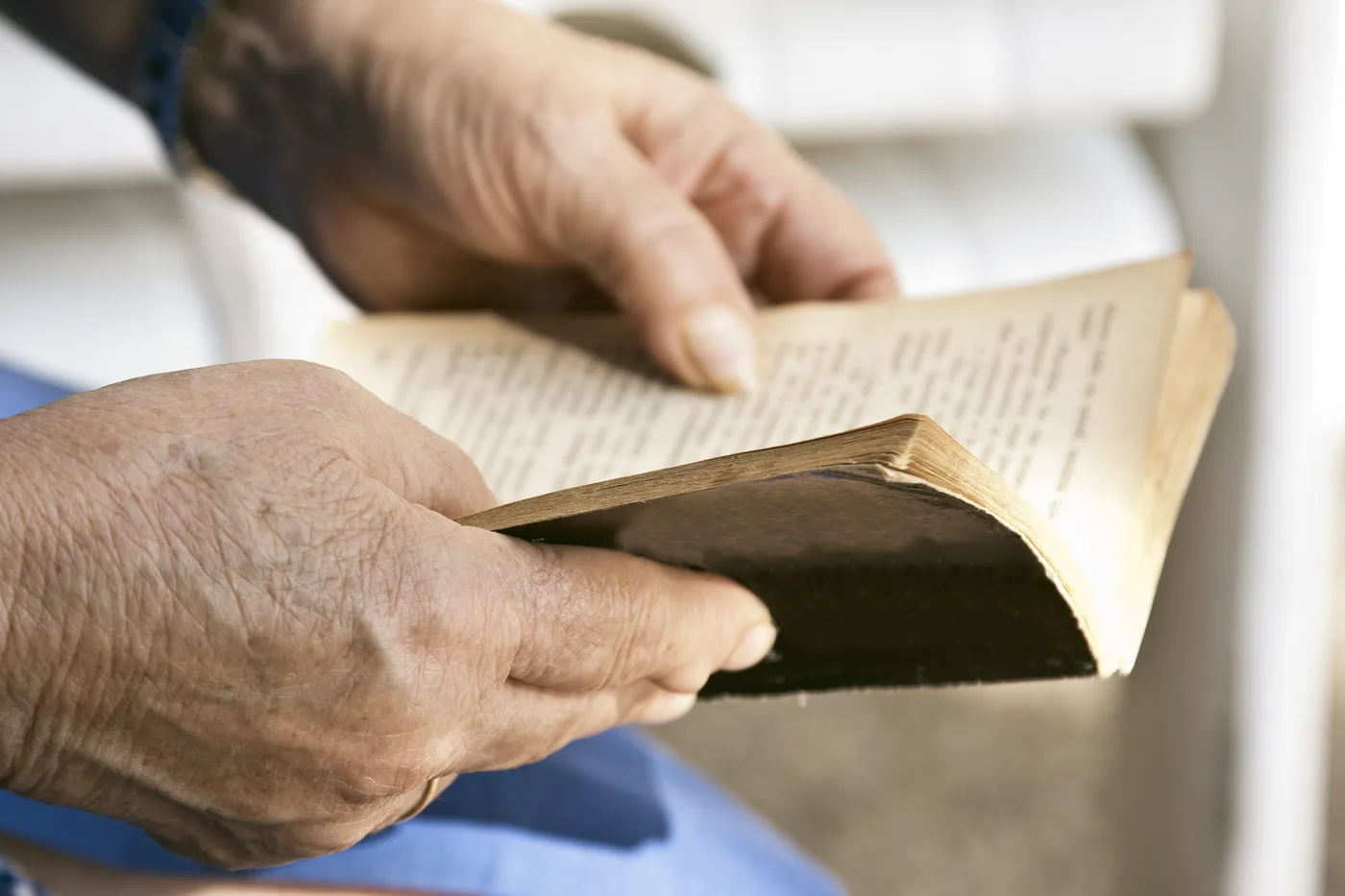
Somewhere on your shelf is a book with a cracked spine, the one you pull out an inch and slide back, because reading it again feels like a small failure. The pile of unread books sits right there, watching. And yet the cracked one is the one your hand went to. That pull is worth trusting, and this is the case for giving in to it.
The guilt of the known
Most readers carry a quiet rule they never agreed to: a book, once finished, is used up. Reading has borrowed the logic of the checklist. There are lists of what to read before thirty, what to read this summer, what everyone else has already read, and every one of them points forward. In that arithmetic, rereading is standing still. You could have been getting through something new.
But a reader is not a turnstile, and a book is not a task. The feeling of being behind on your reading comes from treating a private pleasure as a public syllabus, and nobody is grading this. The question was never how many books passed through your hands in a year. It is what any of them left behind.
What the first reading spends
The first time through a book, most of your attention is held hostage by a single question: what happens next. Suspense is a wonderful engine and a greedy one. It pulls you down the page, and while it pulls, it spends nearly everything you have. You read for the plot the way you drive to a new address, eyes fixed on the turns, missing the houses.
The second reading is the same road with the destination already known. Because nothing is at stake, everything else becomes visible. You see how early the author planted the loss that undid you in chapter twelve. You notice the sentence that is doing three jobs at once. You catch the minor character who was quietly carrying the book's whole argument. None of it was hidden. You simply had no attention left over for it.
This is why the people who teach literature reread as a matter of course, and why the books that reward a second pass are the ones we end up calling good. A book that is only its plot is spent in one reading. A book with more in it than plot has barely been opened the first time.
The book holds still so you can see yourself move
There is an old Greek observation that you cannot step into the same river twice, because the water has moved on and so have you. A book is the rare river that holds still. The words on page ninety are exactly where you left them ten years ago. What has changed is the person reading them, and against a fixed text, that change becomes visible in a way almost nothing else in a life allows.
The novel that read as a love story at twenty turns out, at forty-five, to have been about the parents the whole time. The chapter you once found slow is now the one you live in. The passage you underlined as a revelation looks obvious, while a sentence you skimmed past stops you cold, because in the years between, it happened to you. If you wrote in the margins, those notes read like a letter from a previous self, earnest about things you have since made peace with, blind to the thing on the very next line.
People keep photographs to see how they have changed on the outside. A reread book does the same for the inside. It is one of the few honest instruments we have for measuring a self, precisely because the instrument does not move.
Children have this right
Anyone who has read to a child knows the word that comes at the last page: again. The same story tonight, tomorrow, for a month, until the adult is reciting it hollow-eyed and the child is mouthing the words along. This is not a failure of curiosity. It is what learning looks like before anyone teaches us to be embarrassed by it. The child is not consuming the story. The child is moving in, checking that the wolf is where the wolf was yesterday, feeling the pleasure of knowing what the page will say before it says it.
That pleasure does not expire with childhood. We just train ourselves out of claiming it. Grown readers hide their returns the way people hide comfort food, as if depth of acquaintance were less respectable than breadth. It is worth asking who benefits from a reader who never lingers. The answer is mostly people selling the next book, and it is rarely the reader.
The rest inside a known story
There is also the rereading we do when we are tired, sick, or sad: the winter you went back through a mystery series you already knew, the week of a hard diagnosis spent inside a childhood favorite. It is tempting to call this escape and leave it at that, but something gentler is going on. A known story asks less of you. There are no ambushes to brace for, no strangers to track, and so the body can actually rest inside it, the way you rest on a trail your feet already know. Because you are not navigating, you finally see the woods.
That kind of reading is not a substitute for the help a hard season may truly need, and it does not claim to be. It is closer to a hand on the shoulder from a voice you trust. There are worse things to reach for at midnight, and most of them are on a screen.
How to return well
The practice is small. Take down the book that tugged at you, the one you pushed back on the shelf. Write the date inside the cover, under the date you wish you had written the first time, and start a habit your future self will thank you for. Read it slower than you did before. You already know what happens, so let yourself stop wherever the writing asks you to, and keep a pencil near, because the margins are where the two readings get to talk to each other.
Give it no duty to be finished. A return visit can be three chapters long and complete. And expect, now and then, the stranger outcome: a book you loved that does not survive the second reading. That stings, but it is information too. You outgrew it, and you can thank it honestly, the way you thank a teacher whose class you no longer need.
The unread pile will keep. It always does. But a book was never finished just because you reached its last page, any more than a friendship is finished because you once had a long conversation. The books that shaped you are not behind you. Some of them are waiting, perfectly still, for you to catch up to what they were saying all along.


Loading comments…