
You have taken something like a hundred million steps in your life, and you were present for almost none of them. The feet went, the body followed, and the mind was somewhere else: the list, the email, the conversation from this morning. Walking is so well learned that it no longer needs you. That is exactly what makes it such a good place to practice.
The meditation for people who cannot sit
Walking meditation is old. It sits alongside seated practice in most Buddhist traditions, and Zen monasteries break long periods of sitting with slow, formal walking between them. It is not a lesser form, a warm-up or a consolation prize for people who are bad at sitting still. It trains the same thing, which is noticing where your attention is and bringing it back, but it gives the attention something larger and more physical to rest on than the breath.
For a lot of people, that is the difference between a practice that lasts and one that is abandoned in the first week. If you have tried to sit with your breath and found yourself fidgeting, drowsy or quietly furious, the problem may not be you. Some minds settle better when the body is moving. A step is big enough to hold on to. A breath, for some of us, is not.
It also has a practical advantage. You can do it anywhere you can take ten paces, and nobody watching would think anything of it.
Ten paces and a turn
Find a stretch of floor or ground about ten or fifteen paces long. A hallway works. So does the length of a living room, a quiet stretch of sidewalk, the edge of a lawn, a path in a park you know. You are not going anywhere, which is the point. A destination pulls the mind ahead of the body, and the whole exercise is to let the two arrive together.
Stand at one end for a moment. Feel your weight in your feet, the slight sway that keeps you upright, the floor pressing back. Let your hands rest wherever they are comfortable: at your sides, clasped loosely in front, or behind your back. Let your eyes drop to the ground a few feet ahead, soft rather than staring.
Then walk, much more slowly than you normally would, to the far end. Stop. Stand for a breath. Turn around, noticing the turn as its own small movement rather than a gap between laps. Walk back. That is one round. Ten minutes of rounds is a real practice.
Lift, move, place
The classic instruction breaks each step into three parts, and naming them silently as they happen is what keeps the attention on the foot.
Lift. Feel the heel come up, then the rest of the foot peel away from the ground. Notice the weight shifting into the other leg as it happens. You have done this a hundred million times and never once felt it.
Move. The foot swings forward through the air. It is lighter than you expect. There is a moment, mid-swing, where you are balanced on one leg, and if you are walking slowly enough, you will feel the small corrections your ankle makes to keep you there.
Place. The heel touches down, then the sole, then the weight rolls forward onto it. Feel the ground take you. Then the other heel begins to lift, and the cycle starts again.
You do not need to say the words aloud, and after a while you may not need them at all. They are scaffolding. Their job is to give the wandering mind something simple to come back to.
What happens when you slow down
The first thing most people notice is that slow walking is harder than it looks. Balance wobbles. At normal speed, walking is a controlled fall that momentum smooths over. Slow it down and you discover how much work your feet, ankles and hips do, all the time, without being asked. The wobble is not a failure. It is information you have been ignoring for decades.
The second thing is impatience, often surprisingly strong. A part of you will insist that this is pointless, that you could be using the ten minutes for something, that normal walking is perfectly fine. Notice that voice the way you would notice a car going by. It is not an instruction. It is just the mind doing what it does when it is asked to be in one place.
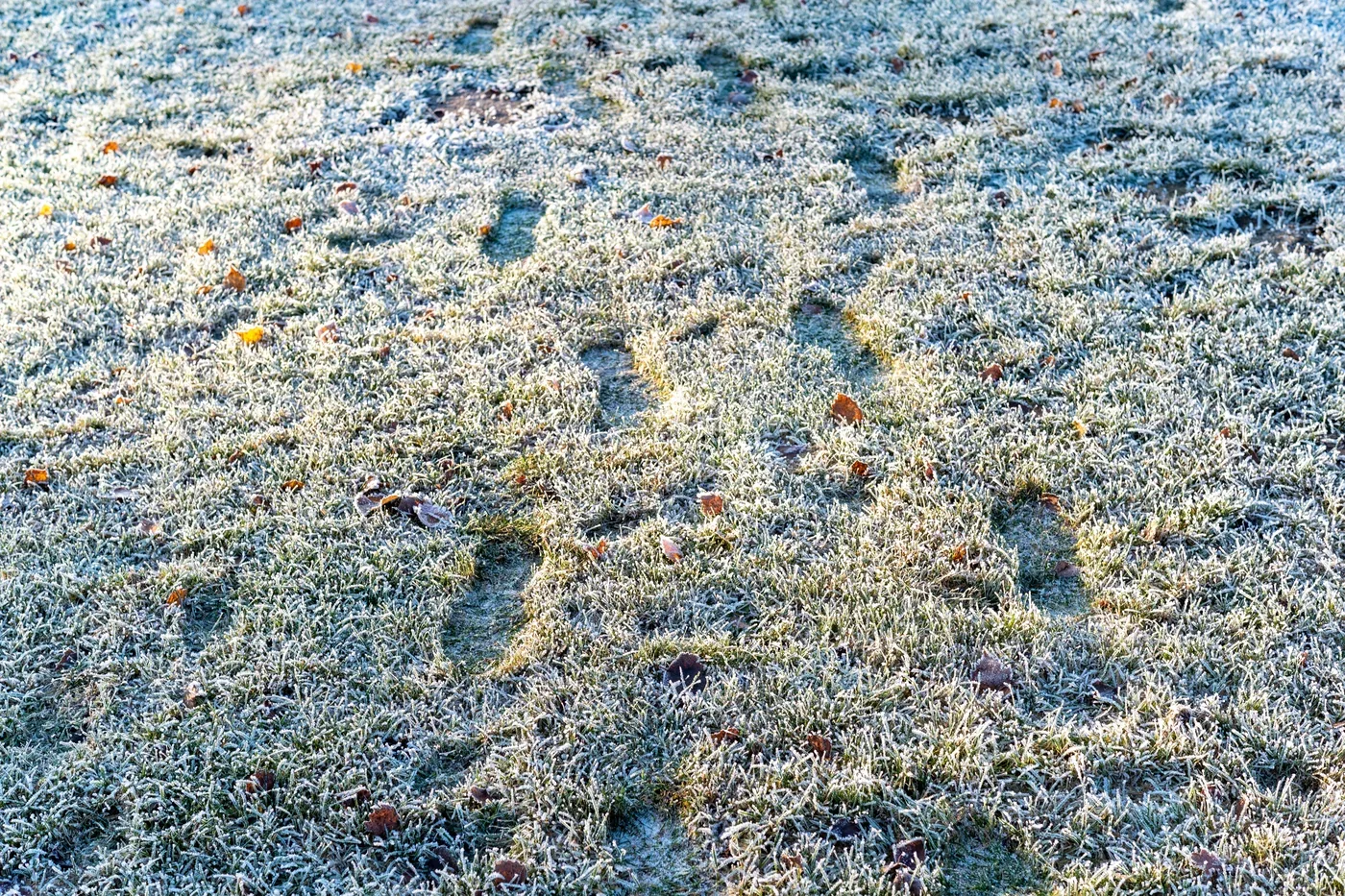
The third thing, usually after a few sessions, is that the walk becomes interesting. The texture of the floor through your socks. The cold coming up from a tile. The give of grass, or the way frost crunches and then softens under your weight on a November morning. You start to feel, rather than assume, that you are a body moving through a place.
When the mind drifts, and it will, the instruction is the same as in any meditation. Notice that it has gone, without commentary, and come back to the next lift. The coming back is the practice. Every return is a repetition, the way a lift is a repetition at the gym.
Finding the speed
There is no correct pace. Very slow walking, where a single step might take several seconds, is good for building attention and for the days when the mind is especially busy. Something closer to a gentle stroll, with attention resting on the rhythm of the feet as a whole rather than each part of each step, is good for when you are tired, outdoors, or simply want the practice to feel more like walking.
Some people like to link steps to the breath: lifting on an inhale, placing on an exhale, or a set number of steps for each breath. Try it if it helps you settle. Drop it if it starts to feel like a puzzle. The feet are enough.
If you have a condition that affects your balance, or you are recovering from an injury, keep a wall or a railing within reach, walk a little faster than the slowest pace, and go with what your body tells you. This is a practice of attention, not a test of stability, and nothing is gained by risking a fall.
Carrying it out the door
The formal version, back and forth on a fixed stretch, is where the skill gets built. The real reward is what happens afterward, when you are walking normally and you notice, for half a block, that you are actually there.
Choose a short walk you take every day: from the car to the office door, from the kitchen to the mailbox, the last stretch of the walk home. Make it the one walk of the day you do on purpose. You do not need to slow down. Just feel the next three steps land. Then the next three. When your thoughts pull you away, come back to the feet.
Over weeks, these few hundred steps become a kind of pause built into the day, one that costs no time at all, because you were going to walk there anyway.
Ten paces, tomorrow morning
Tomorrow, before the day properly starts, find your ten paces. A hallway in socks, or the lawn if the morning allows it. Walk them slowly, there and back, five times. Lift, move, place. Stand at the end of each length and feel your weight settle before you turn.
It will take about five minutes. You may find it boring, or wobbly, or strangely moving. Whatever it is, you will have been present for a few dozen steps, which is a few dozen more than most days hold. The rest of the walking you do will still be there, waiting to be noticed, every time you remember to look down.
Loading comments…