
It is two in the afternoon and you have not moved since lunch. Not in any dramatic way: you got up once for the printer, maybe, and once to refill a glass. Otherwise it has been the chair, the screen and the slow drift of the day. Your hips have quietly set like plaster, your feet are cold, and when you finally stand, your body takes a second to remember how. None of this feels like a health decision. It feels like work. But the shape of an ordinary sitting day is one of the more consequential things about it, and the fix is smaller than most people expect.
A long sit is its own thing
For most of the last century, the advice about movement was about exercise: get your heart rate up, a few times a week, for a set number of minutes. That advice is still sound. What researchers have added over the last fifteen years or so is a second, separate idea. The hours you spend sitting without a break seem to matter on their own, somewhat apart from whether you went for a run that morning.
It is possible to be both an exerciser and someone who sits almost without interruption from nine to six, then again on the couch until bed. Plenty of conscientious people are exactly that. The morning workout is real and worth keeping, but it does not undo the rest of the day's stillness as completely as we would like it to.
The useful finding is what does help: not more intense exercise, but breaking the sitting up.
What happens when the big muscles go quiet
Your legs and hips hold some of the largest muscles you own, and muscle is one of the body's main places to put sugar from a meal. When those muscles contract, even gently, they draw glucose out of the blood, partly through a pathway that does not depend entirely on insulin. When they sit perfectly still for hours, that draw slows.
This is why the experiments on the subject are so striking in their modesty. In a well-known Australian study, adults who broke up a long sitting session with two minutes of easy walking every twenty minutes had noticeably lower rises in blood sugar and insulin after a meal than when they sat straight through. A later study at Columbia University tested several different doses across a long workday and found that a few minutes of light walking every half hour was among the most effective patterns for blunting blood sugar after meals and lowering blood pressure.
Light walking. Not sprints, not a gym, not even breaking a sweat. The active ingredient seems to be frequency: getting the big muscles to wake up regularly, rather than one heroic session followed by hours of none.
The rest of the body notices too. Hip flexors that stay shortened all day pull on the lower back. The calf muscles, which help push blood back up from the legs, do very little while you sit. Eyes that have been focused at screen distance for two hours get a rare chance to look across a room or out to the street. A break is not one benefit, it is a small reset of several systems at once.
If you live with diabetes, high blood pressure or a heart condition, this is worth a conversation with your clinician about what is right for you. It is not a substitute for their advice, and nothing here promises a particular result. It is simply one of the gentler habits with real evidence behind it.
Why it is hard to do
If getting up every half hour were easy, everyone would do it. The difficulty is not the walking, it is noticing. Absorption is the whole point of good work. When a task goes well, time folds up and two hours pass in what feels like twenty minutes. Nobody wants to interrupt that, and no one feels the moment when sitting tips over from fine to too long.
So the habit cannot rely on your judgment in the moment. By design, your judgment in the moment is busy. It has to be carried by something outside you: a cue, a rule or an arrangement of the room that makes the decision before you need to.
How to build the half hour into the day
Use a cue you cannot miss, then make it quiet. A timer set for thirty minutes works, but a loud alarm becomes something you silence on reflex. A soft chime, a watch that taps your wrist, or a timer that sits face up on the desk where you can see it running tends to last longer.
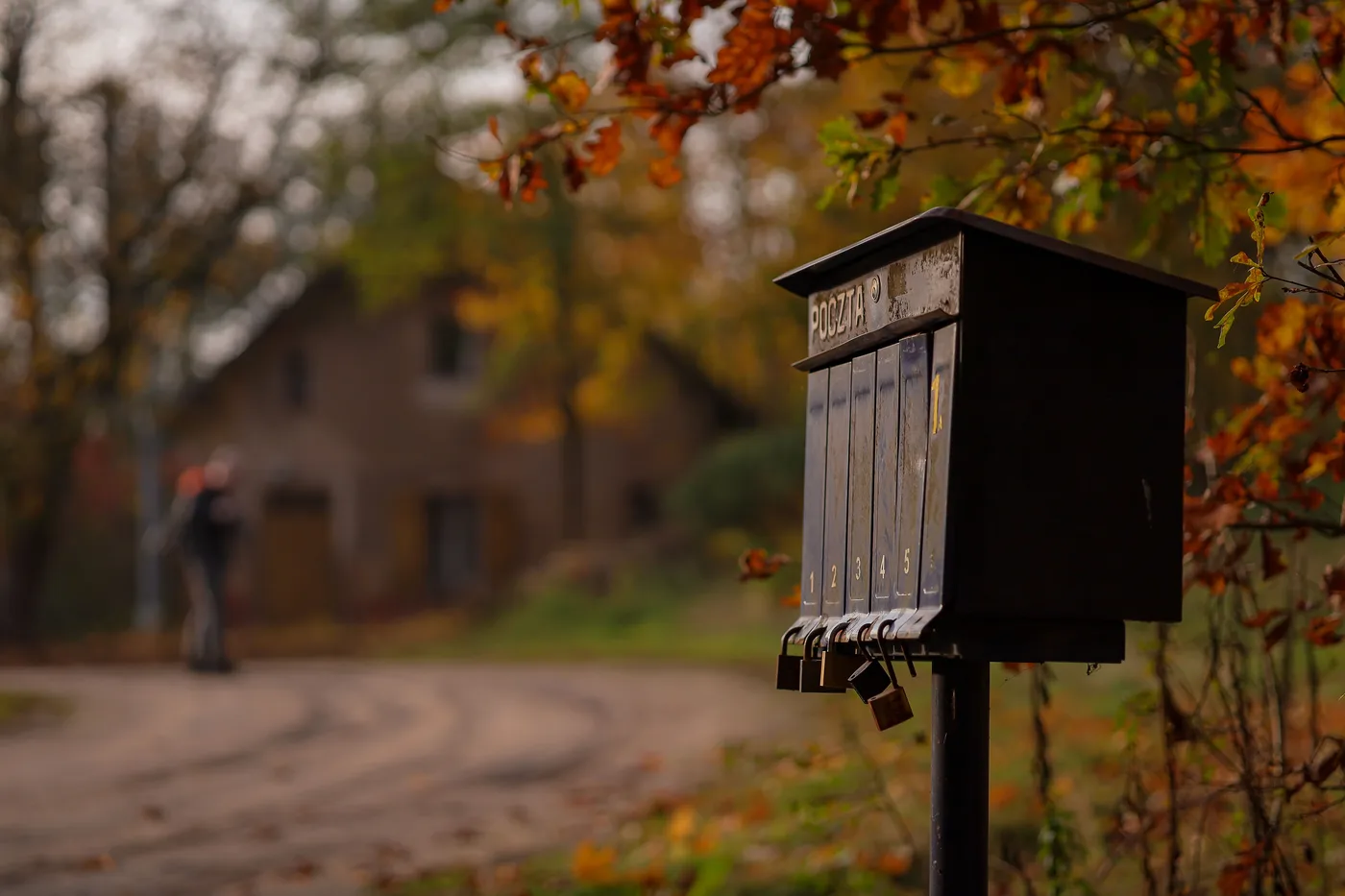
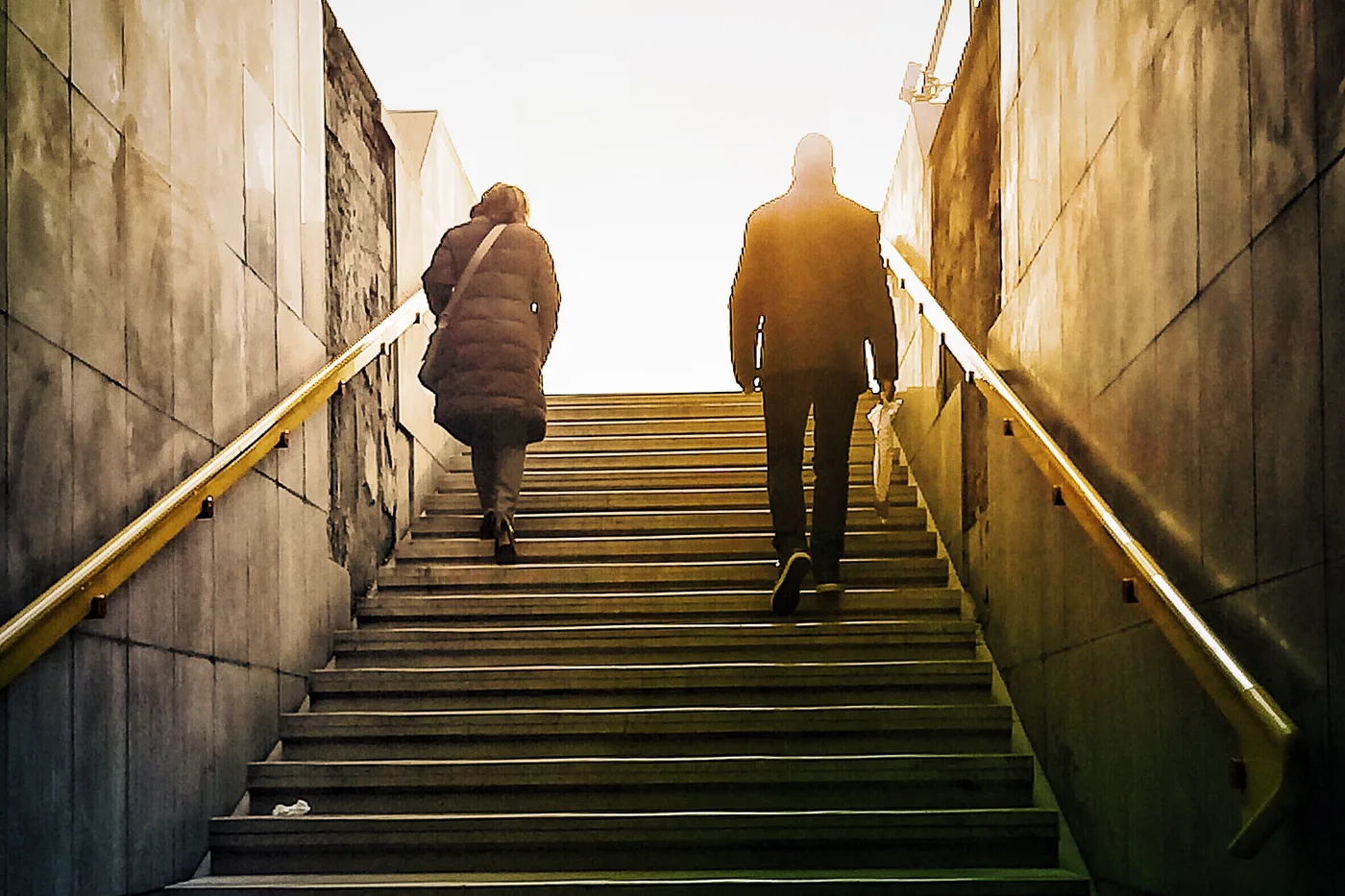
Decide in advance what the break is. A vague intention to move will lose to an unread email every time. A specific one does better: walk to the end of the hall and back; go up one flight of stairs; step outside to the mailbox; fill the kettle and stand while it heats. Three to five minutes of easy movement is the whole prescription.
Let the house do some of the work. Keep the water glass small so it needs refilling. Put the printer, the trash can or the recycling in another room. Take phone calls standing, or walking if you can. Every errand that used to be one trip at the end of the day can become several short ones scattered through it.
Attach it to a natural seam. The end of a meeting, the send button on a long email and the moment a file finishes saving are all small edges in the day. Stand up at those edges, before the next thing starts, and the break stops feeling like an interruption.
Do something with your legs while you are up. Ten slow calf raises at the counter. A few sit-to-stands from your chair. A minute of marching in place while the coffee brews. None of it needs special clothes. All of it gives the large muscles the brief wake-up call they were missing.
What to expect
The first week, the breaks will feel like a tax. You will be in the middle of something and resent the chime. That is normal, and it is the reason to keep the break short: three minutes is easier to agree to than fifteen.
By the second week, most people notice something they did not expect. The afternoon goes better. The return to the desk after a short walk often brings a clearer head, the way a problem sometimes untangles itself on the way to the mailbox. The stiffness at the end of the day softens. The cold feet warm up. And the habit begins to feel less like a rule and more like a rhythm, the way you blink or shift your weight without deciding to.
You will miss some. A long call will run on, a deadline will eat the afternoon. That is fine. The aim is not a perfect record but a day with more seams in it than before.
The day as a series of small returns
There is something old-fashioned in all of this. For most of human history, work meant moving: fetching, carrying, tending, walking to the next task. The long, unbroken sit is a recent invention, and our bodies are still built for the older pattern of small, frequent effort.
You do not have to give up the chair or the screen to honor that. You only have to stand up more often than feels necessary. Set the timer before you sit down this afternoon. When it goes off, walk somewhere small and come back. Then do it again, half an hour later, and let the day be made of returns.
Loading comments…