
There is a place you have been meaning to go. Not a vacation, not anywhere that needs a passport. A grave you have not visited since the funeral. The beach where your father taught you to swim. A church you walked past for years and never entered, or the oak at the edge of the park that you have always half thought of as yours. It is close. You could be there by lunch. And still you have not gone, because nothing about the trip is urgent, and nothing in an ordinary week makes room for a journey whose only purpose is to arrive somewhere and be there.
What a pilgrimage actually is
Most of the world's traditions have some version of the sacred journey. People walk for weeks across northern Spain to reach the cathedral in Santiago. Millions of Muslims make the Hajj to Mecca. Hindu pilgrims travel to the Ganges, and Buddhists to the places associated with the Buddha's life. The destinations differ and so do the beliefs, but the shape is strikingly consistent: you leave your usual life, you travel on purpose toward a place that matters, the travel itself is part of the point, and you come home changed by the going.
That shape does not require a cathedral or a continent. What makes a journey a pilgrimage is not its length or its fame. It is the intention you carry and the attention you pay along the way. A walk to the corner store is an errand. The same walk, taken slowly, toward the house where your grandmother lived, thinking about her, is something else entirely. The route has not changed. You have.
A small pilgrimage is the version that fits inside a Saturday morning. It asks for very little: a destination with meaning, a way of getting there that is slower than necessary, and the willingness to let the trip be the whole event.
Choosing where to go
Start with a list. Places where something happened to you. Places connected to someone you have lost, or someone you still have and do not see enough. Places that belong to a version of you that you would like to visit again. The bench where you made a decision that turned out to matter. The field where you used to run. A grave, a schoolyard, a stretch of shore.
You do not need a dramatic reason. Some of the best destinations are places that simply tug at you when you drive past. That tug is information. It means part of you has unfinished business there, even if you cannot say what it is.
Long Island is full of such places for anyone who has lived here a while, and it offers a few that belong to everyone: the lighthouse at the very end of the island, the bluffs on the North Shore, the bay at dusk. But the personal ones usually carry more. Pick the one that makes you slightly nervous to imagine standing in. That nervousness is a sign it will be worth the trip.
Making the going part of it
The difference between a pilgrimage and a visit lives mostly in the travel. Pilgrims walk because walking is slow, and slowness gives the mind time to shift from the concerns of the week to the reason for the journey. You may not be able to walk the whole way. You can still make the going deliberate.
If you can walk, walk, even if it means parking a mile away. If you drive, leave the radio off and take the slower road. Go alone, or with one person who understands what you are doing. Leave the phone in your pocket, or better, in the car. The aim is to arrive with your attention intact rather than scattered across a dozen small tasks.
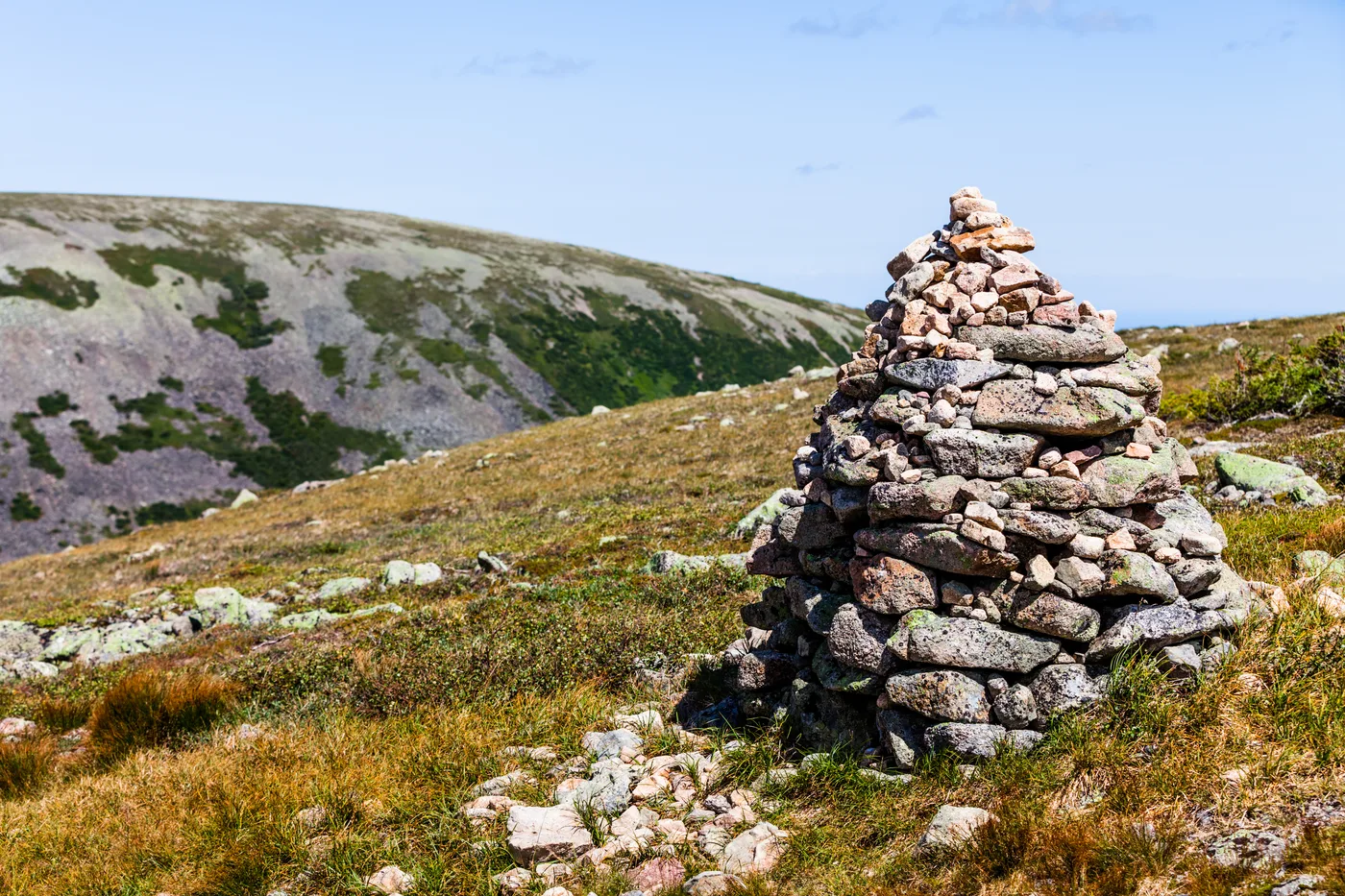
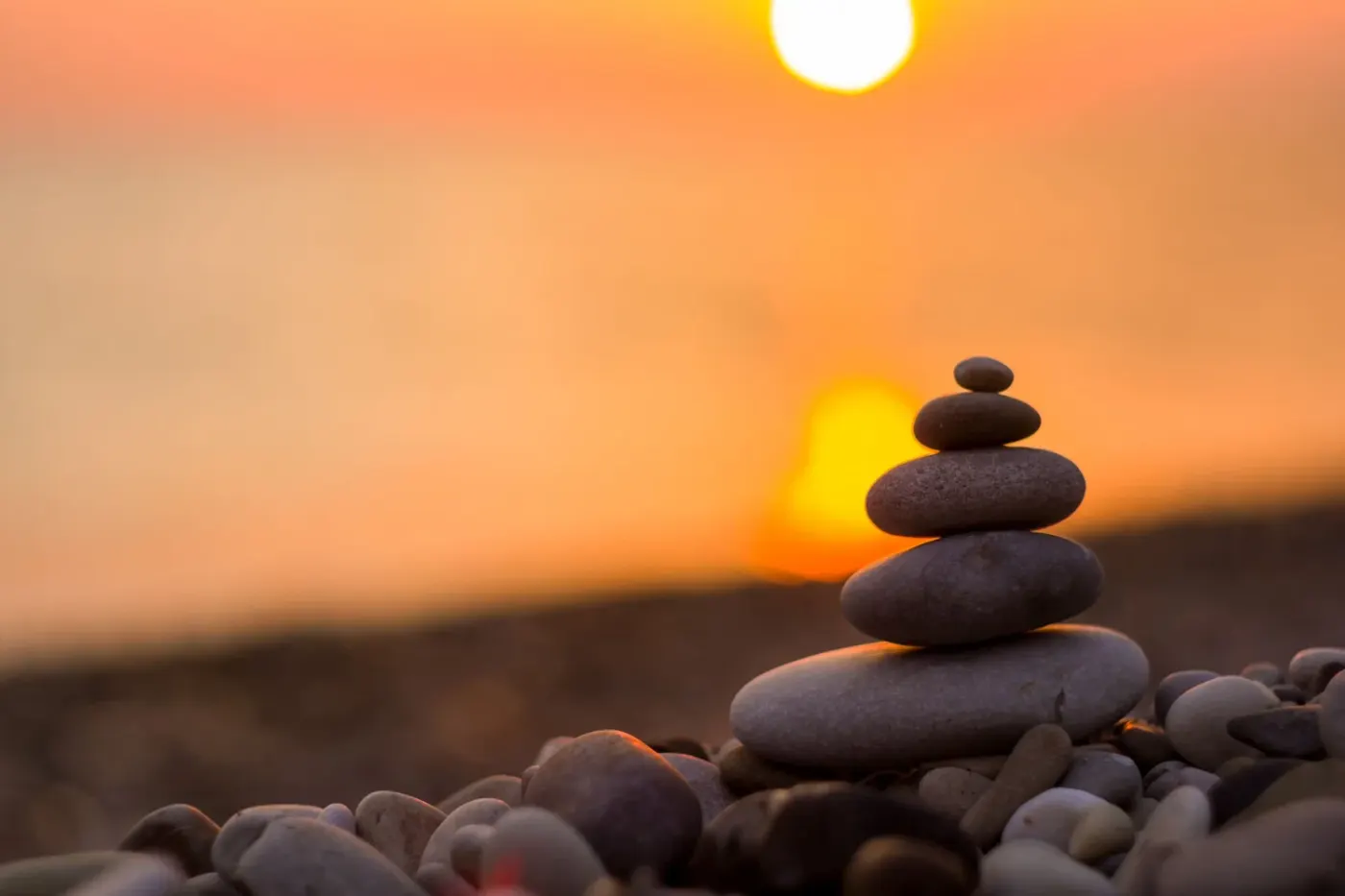
Many pilgrims carry something with them: a stone, a written intention, a small object to leave behind. Walkers on mountain trails have long added a stone to the cairns that mark the way, each one a small act saying that someone passed here and the path held. You can do something similar. Bring a question you have been carrying. Bring a letter you will not send. Bring nothing but a sentence you want to say out loud when you get there.
What to do when you arrive
This is the part people worry about, and it is simpler than it seems. You do not need a ritual. You need to stay.
Arrive, and then remain longer than feels natural. The first few minutes are usually taken up with the strangeness of being there on purpose, a small self-consciousness, the urge to check the time. Let that pass. Somewhere around the ten-minute mark, something tends to settle. The place stops being a destination and becomes a place again, with its own sounds and weather, and you start to notice what you actually feel about it.
Sometimes what arrives is grief. Sometimes gratitude, or a memory you had not touched in years, or a surprising lightness. Sometimes nothing much arrives at all, and you stand in a quiet place feeling ordinary, and that is fine too. A pilgrimage is not a performance with a required emotional result. It is an offering of time and attention to something that matters to you. What comes back is not yours to schedule.
If you brought something to leave, leave it. If you brought something to say, say it, quietly or not. Then take one more slow look before you go, the kind of look you would give a person you love when you are not sure when you will see them again.
The way home
Traditional pilgrims often describe the return as the hardest part, and the most important. You have touched something, and now you are walking back toward the dishes and the inbox. The temptation is to drop straight back into the week as if the morning did not happen.
Resist that a little. Take the slow road home, too. Notice whether anything feels different: a decision that seems clearer, a resentment that has gone quiet, a person you suddenly want to call. Write a few lines that evening about what the place gave you, even if all you can say is that you went. Over time those few lines become their own record, a map of the places that hold your life together.
Making it a practice
One small pilgrimage is a good morning. A few a year become something more: a way of keeping faith with your own history, of returning on purpose to the places that made you, rather than only passing them on the way to somewhere else.
Some people tie them to the calendar, visiting a parent's grave on a birthday rather than only on the anniversary of the death, or walking to the same overlook at the turn of each season. Others keep the list on the refrigerator and choose by feel. Either works. What matters is that the list does not stay a list.
The place you have been meaning to go is still there. It has been waiting the way places do, without hurry. Pick a morning. Leave a little earlier than you need to, and go slowly enough to arrive as yourself.
Loading comments…