
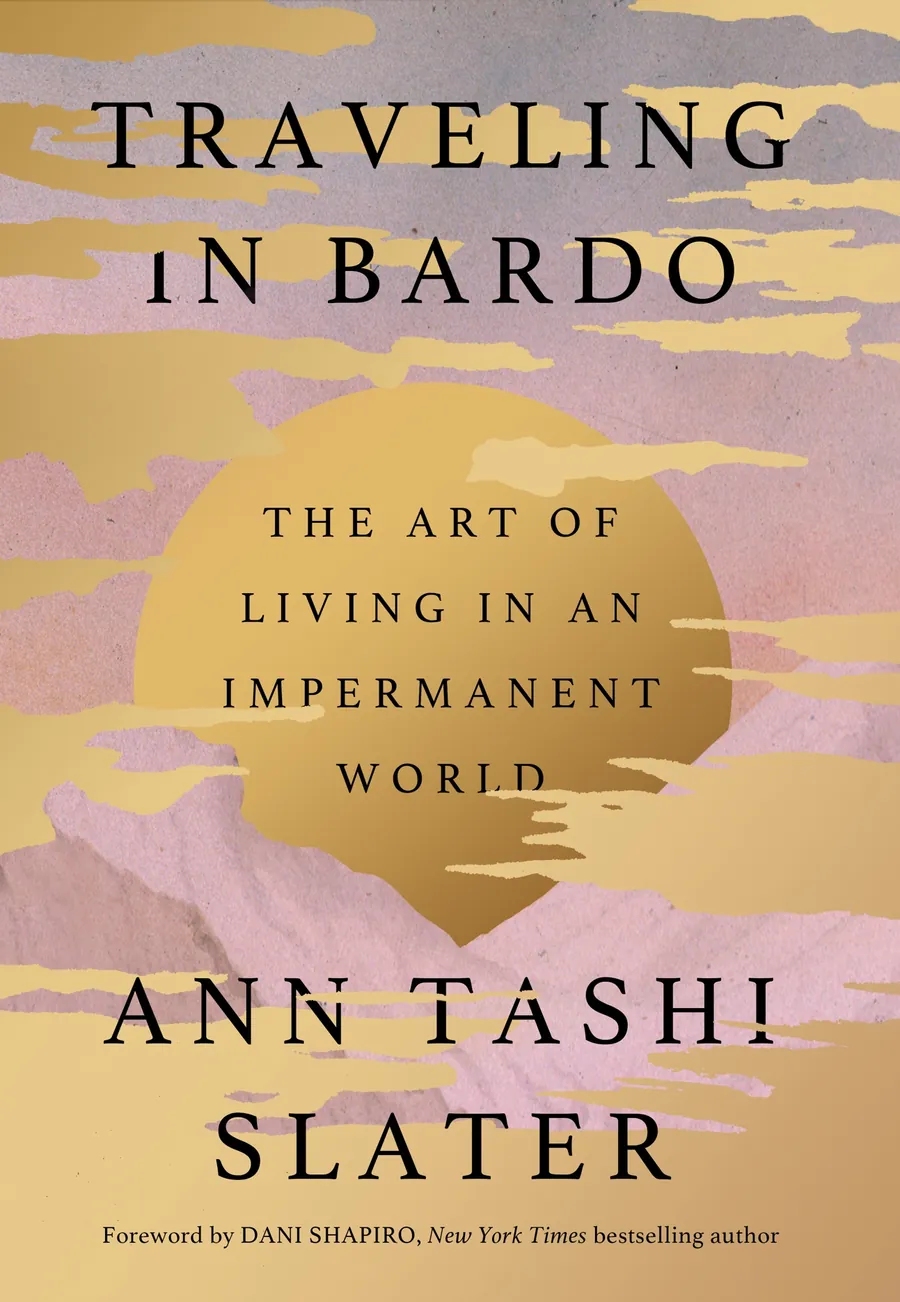
The Bardo Thodol was written in Tibet in the 8th century and published in the West in 1927 as The Tibetan Book of the Dead. A guide to navigating bardo "between-states," or times of transition, the book is meant to help the dead travel between death and rebirth, and to guide us, the living, on our journey between birth and death, including liminal periods like accident or illness.
The Tibetan Book of the Dead tells us that by accepting impermanence, the uncertainty, change, and endings that life inevitably brings, we can find greater happiness. I gained a deeper understanding of what this means when I became very ill about 15 years ago.
On a fall morning at home in Tokyo, I woke up with a fever of 103, violent chills, and excruciating joint pain. I was admitted to the hospital and the doctors discovered that I'd contracted endocarditis, a rare, life-threatening infection of the heart lining. Bacteria had gotten into my bloodstream, attached to the lining of my mitral valve, and formed a mass, or vegetation.
They started me on intravenous antibiotics but soon part of the vegetation broke off and traveled from my heart to my brain, causing a large abscess, or pocket of infection, to form. If the abscess cut off blood flow to the surrounding tissue, the doctors told me, I could become paralyzed, suffer cognitive impairment, or die.
Having studied The Tibetan Book of the Dead for decades, I'd thought I understood impermanence. But now I was really feeling it. I was no longer learning the bardo principles in lovely monasteries in India or in my Tibetan grandmother's cozy Darjeeling living room or in my peaceful study. Instead, I'd been launched into a tunnel of pain and fear.
Lying in the hospital day after day, I yearned for my former existence as a wife, mother, writer, and literature professor, unwilling to accept that my end might be approaching.
The privacy curtain around my bed was always kept closed and I felt cut off from the world of the living. Gradually, though, as I was wheeled down the hallway for another MRI, another CT scan, and caught sight through doorways of people suffering, of other lives and fears, I realized that I wasn't alone: I was navigating bardo alongside fellow travelers. What's more, I understood that, as the Buddha taught, no one is immune to old age, sickness, and death. This realization helped me accept my predicament and feel less afraid.
My journey through the bardo of illness continued for six weeks. Thanks to antibiotics and high-dose dexamethasone steroid therapy, the vegetation in my mitral valve shrank and the abscess scarred over. My temperature returned to normal, and the chills and joint pain subsided.
On a golden October day, my husband David came to take me home.
We gave the nurses a tin of chocolate chip cookies our children had baked and a note they'd written, since they were at school:
Thank you for taking care of our mother.
Sincerely,
Sophie and Henry
My doctors stopped in to say goodbye, and after lots of "thank-yous" and bowing all around, David and I left. We dropped my things at home, where our little Westie leaped into my arms, barking with joy, and then we went to lunch at a neighborhood trattoria.
In a famous Buddhist parable, a woman named Kisa Gotami loses her young son and, anguished, begs the Buddha to return him to her. The Buddha agrees on the condition that she bring him a mustard seed from a home in her village where no one has been touched by death.
Gotami hurries from door to door but, unable to find any such household, understands the wisdom the Buddha wishes to share: death is part of life for us all. Liberated from the grief caused by her unwillingness to accept the loss of her child, uplifted by her new awareness of community, Gotami dedicates herself to the teachings of the Buddha.
As a happily-ever-after story, this parable speaks to our desire for permanence, though not in the way we might imagine. Think about what "happily ever after" means to you. A lifelong partnership? Financial security? Our notions of contentment tend to revolve around freedom from uncertainty and loss, but more impermanence always awaits.
I'd felt sure that if I survived endocarditis I would live happily ever after, but within months of my recovery, the 3/11 earthquake devastated northeastern Japan and threw David and me into crisis. As powerful aftershocks rattled Tokyo and the damaged nuclear reactors melted down, we agonized over how to keep our family safe.
The following year, my father died. A few months later, my mother suffered a brain bleed, coming so close to death that she saw loved ones who'd passed on beckoning to her from across a great abyss.
Impermanence, I now understood, is the way of the world. We can live happily ever after not by struggling against it, but by accepting it as we journey through life, travelers together in bardo.
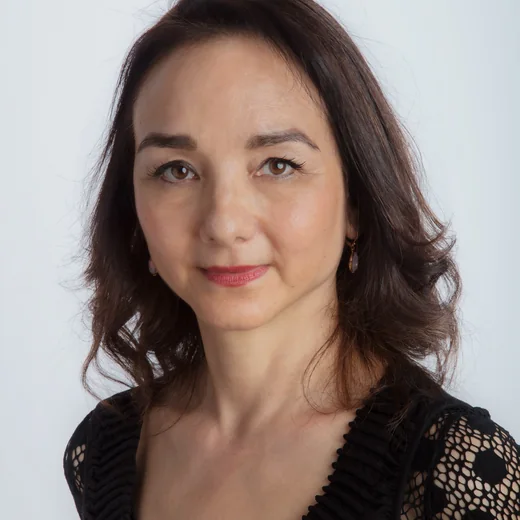
Ann Tashi Slater is the author of Traveling in Bardo: The Art of Living in an Impermanent World (Balance/Hachette), a Next Big Idea Club "Must-Read." She has written for The New Yorker, The New York Times, The Washington Post, The Paris Review, Oprah Daily, and many others. She presents and teaches workshops at Princeton, Columbia, Oxford, Asia Society, and The American University of Paris. Learn more at anntashislater.com.
Loading comments…