
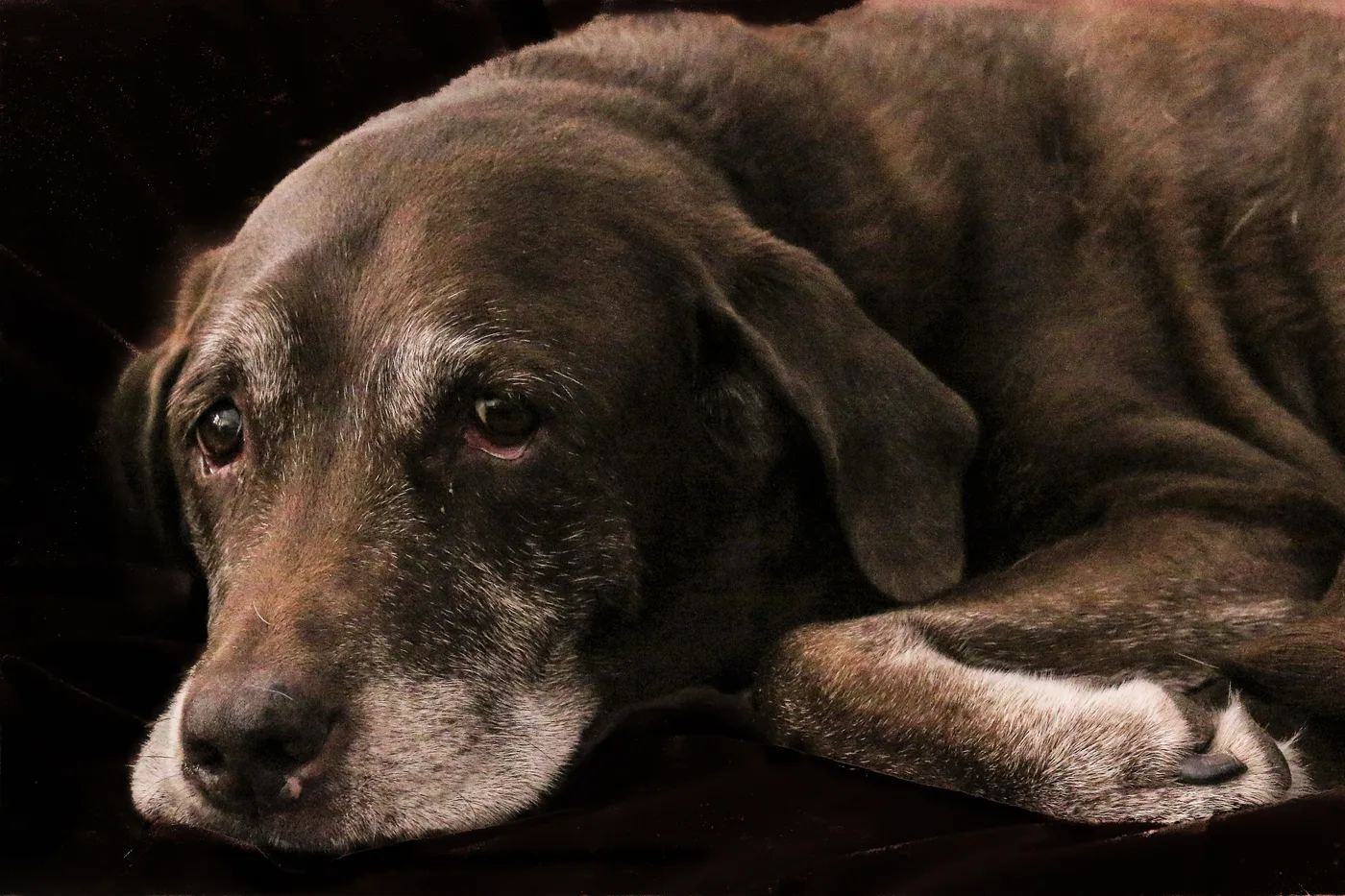
It is the small hours that do it. The click of nails on the kitchen floor that does not come. The leash still on its hook by the door. The moment at six in the evening when your body gets up to fill a bowl before your mind remembers there is no one to fill it for. When an animal you love dies, the house keeps reminding you, in a dozen ordinary ways a day, of the shape they used to fill.
A grief the world does not quite make room for
People who have lost a dog or a cat or a horse they loved often say the same thing, usually quietly and a little apologetically: it hurt more than they expected, and in some ways more than losses they were supposed to feel more. They are not exaggerating, and they are not alone. Those who study bereavement have found again and again that the grief people feel for a companion animal can be every bit as intense as grief for a person.
What is different is how little room the world makes for it. There is no bereavement leave. Few people send a card. Someone at work may say that at least it was only a pet, or ask, within a week, whether you are getting another. The grief researcher Kenneth Doka gave a name to this kind of loss decades ago: disenfranchised grief, the grief that is real but not openly acknowledged, so the person carrying it is left to carry it alone and to wonder whether they are allowed to.
You are allowed to. The bond was real, so the loss is real.
Why it reaches so deep
Part of the answer is simply time and closeness. An animal is often the one creature you saw every single day, at the start and end of it, for ten or fifteen years. They were there through moves, breakups, children growing up and leaving, illnesses, ordinary Tuesdays. Few relationships in a life have that kind of unbroken daily presence.
Part of it is the kind of love involved. An animal does not care what you earn or how the meeting went. The welcome at the door was the same whether you had a good day or a terrible one. For many people, that was the least complicated affection in their life, and losing it removes something that nothing else quite supplied.
And part of it is that the bond lived in the body and in routine as much as in the heart. The morning walk was a structure. The weight at the foot of the bed was a sensation. The need to be home by six was a rhythm the whole day was built around. When the animal goes, all those patterns keep firing with nothing to meet them. That is why grief for an animal so often ambushes you at particular times of day: the body keeps the schedule long after the reason for it is gone.
The weight of the decision
Many animal deaths are not sudden. They end with a choice, made in a veterinarian's office, to spare a suffering animal more suffering. That choice is an act of care, and it is also one of the heaviest things a person can be asked to decide on someone else's behalf. It is very common afterward to second-guess it from both directions: too soon, or too late. Did they know? Was there one more good week?
If you are carrying that, it may help to know that almost everyone who has made the decision carries some version of it, and that the doubt is itself a measure of how seriously you took your responsibility. There is rarely a perfect day. There is the day you chose, with the knowledge you had, out of love. That is what the decision was.
What helps
Let it be grief. You do not need to measure it against other losses or justify its size. Say the plain thing to someone you trust: I am heartbroken. Notice who receives that well, and lean on them.
Mark the ending. People have always needed rituals around death, and the absence of a funeral can leave a loss feeling unfinished. Make your own. Bury them, or scatter their ashes somewhere they loved. Plant something. Keep the collar, or a paw print, or a single photograph in a frame where you will see it. Write them a letter. Gather the people who knew them and tell the stories, including the ridiculous ones. None of this is silly. It gives the love somewhere to go.
Be gentle with the routines. The hardest moments will often be the old appointments: walk time, feeding time, the hour you used to come home to a greeting. Some people find it helps to keep the shape of the habit with a new purpose, still taking the evening walk, alone, as a kind of remembering. Others need to change the shape entirely for a while. Either is fine. What matters is noticing that the ambush is coming and not being surprised by your own tears at six o'clock.
Tell children the truth, simply. Young children understand more than we expect and are confused by gentle euphemisms; a child told that a dog was put to sleep may become frightened of sleep. Use the real words, died and dead, answer their questions as plainly as you can, and let them see that you are sad too. Including them in a small ritual, drawing a picture or choosing where to plant the bulb, helps them grieve in a way they can hold.
Watch the other animals. A surviving dog or cat may search the house, eat less, or seem unsettled for a while. Keeping their routine steady and giving them a little extra company helps both of you.
Ask for help if you need it. Several veterinary schools and humane organizations run free pet-loss support lines and groups, staffed by people who understand exactly this. If the grief stays heavy for months, or begins to crowd out sleep, eating and work, it is worth talking to a counselor or your doctor. Needing support for this loss is not an overreaction.
The question of another
Someone will ask, sooner than you want, whether you will get another. There is no correct answer and no correct timeline. Some households find that a new animal, months or even weeks later, honors the one they lost by giving that same love somewhere to live. Others need years, or decide they are done. The one thing to watch for is getting a replacement in order not to feel the grief. A new animal is a new relationship, not a substitute for the old one, and it deserves to arrive into a house that has had a chance to mourn.
What remains
The quiet in the house after an animal goes is one of the most particular silences there is. It will not always feel like this. Slowly, the ambushes come less often. The six o'clock moment passes without a jolt one evening, and you notice it later with a strange mixture of relief and sadness. What stays is something you might not expect: a kind of fluency in a love that asked very little and gave a great deal.
If you are in the quiet right now, let it be as quiet as it needs to be. Leave the leash on its hook until you are ready to move it. The shape they filled was real, and so was everything they gave you while they filled it.



Loading comments…