
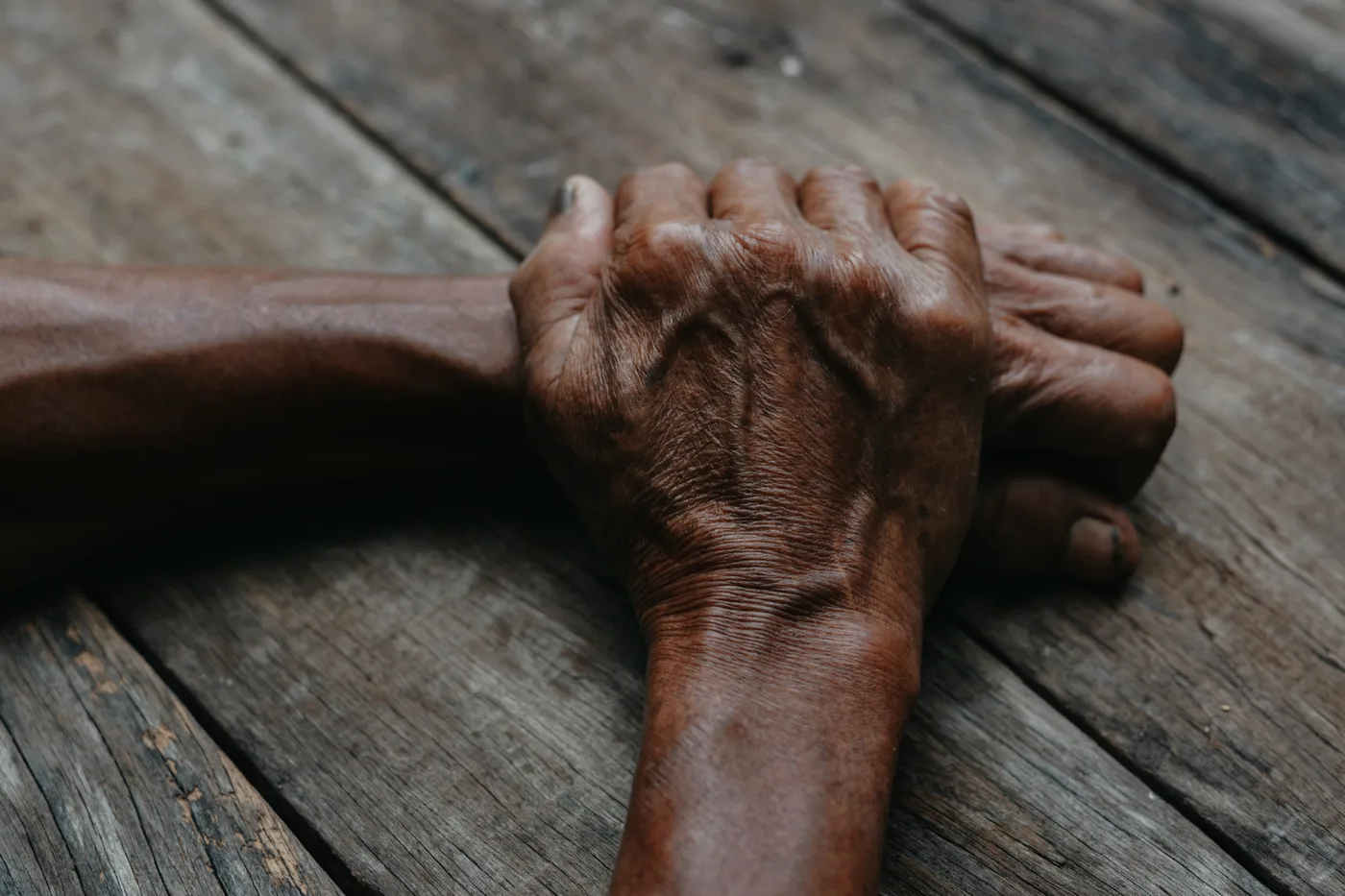
Think back over today and count what your hands have done. They turned the key, held the cup, typed the messages, carried the bag, buttoned the coat, scrolled, gripped the wheel, chopped the onion, and are holding something right now. They have not been off duty since you woke up, and in all that time nobody, including you, has done a single thing for them.
A small machine that never clocks out
Each of your hands holds twenty-seven bones, counting the eight small ones packed into the wrist. Around them runs a crowded arrangement of joints, ligaments and tendons that lets you thread a needle and, a minute later, open a stuck jar. It is one of the most finely made parts of you, and it is used almost without pause.
Here is the detail most people never learn: the muscles that bend and straighten your fingers mostly do not live in your hand. They live in your forearm. Long tendons run from those muscles down through the wrist and out to each finger, like strings from a puppeteer's hand. When you grip a phone for an hour, the effort shows up as a tightness in the meaty part of the forearm below the elbow as much as in the fingers themselves.
The hand does have its own small muscles too. The thick pad at the base of your thumb is a group of them, and it does a remarkable share of the day's work: every pinch, every grip, every thumb swiping across a screen. The pad on the opposite edge of the palm, below the little finger, has its own set. Between the long bones of the hand sit thin muscles that spread and close the fingers.
All of it is working, more or less, from the moment you reach for the alarm until you set the phone down at night.
What the cold months add
Winter asks more of the hands and gives them less. In the cold, the body protects its core by narrowing the blood vessels near the surface, and the hands are among the first places it draws warmth away from. Cold fingers feel stiffer and clumsier, and they are. Add dry indoor heat, more hand washing in flu season, and the gripping that comes with scraping a windshield or carrying groceries across an icy lot, and the hands spend the season tight, dry and slightly braced.
None of that is a problem, exactly. It is just a part of you working hard in difficult conditions without any attention. Five minutes changes that.
A five-minute practice
Sit somewhere you can rest your forearms, a table or your knees. If your hands are cold, start by warming them: rub the palms together briskly for twenty or thirty seconds, or wrap them around something warm. A little lotion or oil helps the thumbs glide, but it is not required.
Start with the forearm. Because so much of the work lives there, this is where the relief often begins. Rest your left forearm palm up. With the right hand, find the soft, thick muscle a few inches below the inside of the elbow and press into it slowly with your fingertips, moving in small circles. Work down toward the wrist. You may find one spot that is noticeably tender. Stay there for a few slow breaths, pressing only as firmly as feels good.
Then the thumb pad. Turn to the palm. Use your right thumb to press slow circles into the pad at the base of the left thumb. Most people who use a phone find it surprisingly tight. Move across the whole fleshy mound, then along the line where it meets the rest of the palm.
Open the palm. With your thumb, press from the heel of the hand out toward the base of each finger, as if smoothing out a crumpled piece of paper. Then press into the pad on the outer edge of the palm, below the little finger.
The web. Pinch gently into the soft web of skin between your thumb and index finger and hold it for a few breaths. It is one of the places where tension collects for people who write, type or grip a mouse all day.
Each finger in turn. Hold the base of one finger between your thumb and index finger and slide slowly toward the tip, squeezing lightly, with a small rolling motion along the way. Do this once for each finger. Let the last slide end with a gentle pull, nothing forceful.
Finish slowly. Lay the hand down and stroke the back of it, and then the forearm, with long, light, unhurried strokes from wrist to elbow. Then switch hands and begin again.
Why the slow strokes at the end matter
The pressing and kneading address the muscles. The last part addresses something else. The skin carries a particular kind of nerve fiber that responds best to slow, gentle stroking at roughly the warmth of another person's touch. These fibers are found in hairy skin rather than in the palm, which is why the back of the hand and the forearm are the places to stroke. Researchers who study touch think these fibers are part of how the body registers comfort and safety, the kind of signal that a parent gives a child without thinking about it.
You can give that signal to yourself. It does not feel the same as being held by someone else, and it is not meant to. But many people find that a minute of slow strokes along their own forearm at the end of a long day settles something in them that the rest of the evening does not reach.
Where to fit it in
The practice is portable in a way most self-care is not. It needs no mat, no change of clothes and no privacy. A few places it fits naturally:
After the last email. Closing the laptop is a natural boundary, and two minutes of hand and forearm work makes it a physical one. The hands that worked all day get told that the work is over.
With the evening lotion. If you already put lotion on your hands before bed, slow down and turn it into the practice. You are already there; it only asks you to stay a little longer.
In a waiting room, or a parked car. The thumb pad and the web can be worked quietly anywhere. Nobody notices someone rubbing their own palm.
Before something fine. Musicians, knitters, painters and woodworkers often warm and open their hands before they begin. It is worth borrowing even if what you are about to do is write a birthday card.
When to ask someone
Self-massage is a kindness to tired hands. It is not a treatment, and it is not a substitute for a clinician. Numbness or tingling in the fingers, especially the kind that wakes you at night, weakness when you grip, swelling, a joint that is hot or red, or pain that is sharp rather than achy are all worth having looked at. If you live with arthritis, keep the pressure gentle, skip anything that hurts, and ask your doctor or a hand therapist which movements suit your joints.
The ones who were there all along
There is a reason so many traditions place meaning in the hands: blessing with them, greeting with them, folding them to pray. They are how you meet the world. Almost everything you have ever made, held, given or comforted has passed through them.
Tonight, before you reach for the phone one last time, give them five minutes. Press the tired forearm, open the palm, slide down each finger, and finish with a few slow strokes from wrist to elbow. It is a small thing to do for the part of you that has done nearly everything else today.
Loading comments…