
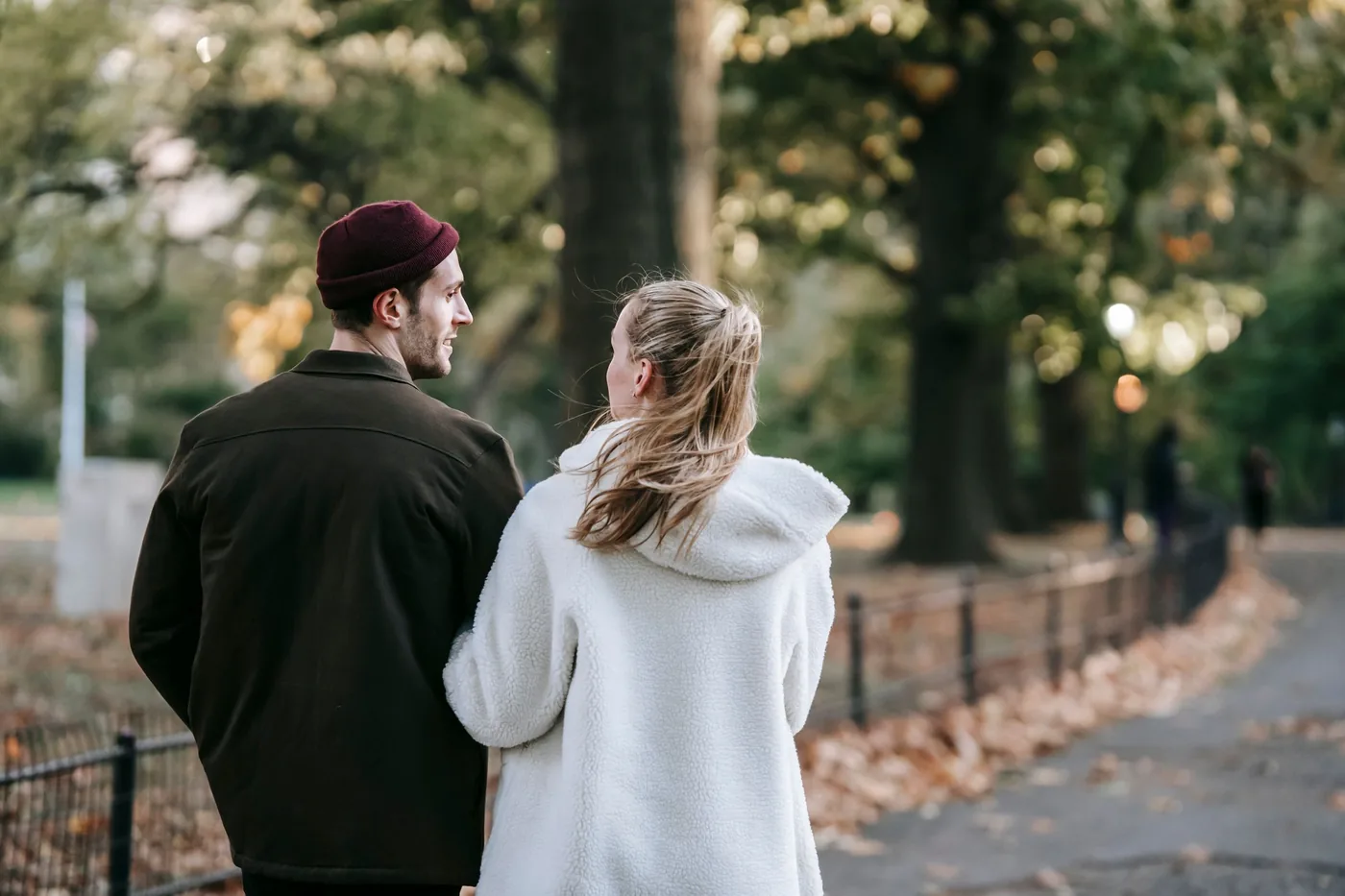
Somewhere in the last few generations, the walk after dinner quietly disappeared. It was once ordinary, in villages and cities alike, and in a good many places it still is: the passeggiata in Italy, the paseo in Spain, the evening turn around the neighborhood that people took because that was simply what you did after eating. It turns out these cultures were onto something that the research has only recently caught up with.
What Happens After You Eat
A meal sends a wave of glucose into the bloodstream. In a healthy body, insulin arrives, tissues take the glucose up, and levels return to baseline within a couple of hours. The peak of that wave, what researchers call the postprandial glucose excursion, is the part that has drawn attention. Repeatedly large peaks, day after day, appear to be harder on the blood vessels than the same average blood sugar arrived at more gently, and a growing body of work treats the size of the spike as worth managing in its own right.
Muscle is the reason walking helps. Contracting muscle can pull glucose out of the blood through a pathway that does not require insulin to open the door. Which means the same walk does something useful whether your insulin response is sharp or sluggish, and it starts working within minutes.
How Little It Takes
This is the genuinely surprising part. The interventions in this literature are small.
A review from 2022 examining light walking after meals found that bouts as short as two to five minutes produced meaningful reductions in post-meal glucose compared with sitting. Not a workout. Not a sweat. Standing helped somewhat; walking helped considerably more. Other work has found that brief walking breaks taken every half hour perform nearly as well as one continuous stretch, which is useful news for anyone whose evening does not accommodate a proper excursion.
Ten to fifteen minutes at a comfortable conversational pace appears to be a sensible target for most people: long enough to blunt the peak substantially, short enough that it survives contact with real life.
Timing Is Most of It
The strongest and most consistent finding across these studies is about when, not how much.
Walking within roughly thirty minutes of finishing a meal is where the effect concentrates, because that window is when glucose is climbing toward its peak. The same walk taken two hours later is still good for you in every general sense, but it largely misses the specific thing being measured. If you are going to be deliberate about one variable, make it this one: shortly after eating, rather than later in the evening.
There is also a reasonable case for putting the walk after the largest meal of the day, which for most households is dinner, and which happens to be the meal most often followed by sitting down for several hours.
The Parts That Do Not Show Up in the Data
The glucose research is what gives this habit its evidence base, but it is probably not why people keep doing it.
An evening walk creates a boundary between the day and the night, which most modern days badly lack. It gets you outdoors at an hour with pleasant light, which is worth something for both mood and the timing of sleep. Walking side by side rather than face to face is famously conducive to a certain kind of conversation, which is why difficult subjects so often come up on walks and so rarely at the table. And it interrupts the long unbroken sitting that occupies most evenings, which the research on sedentary time treats as a distinct concern from whether you exercise.
None of that is why the studies were run. It may be why the habit sticks.
Making It Actually Happen
Attach it to the meal, not to a time. Habits that hang off an existing routine survive; habits that require a separate act of remembering do not. The trigger is the plates going in the sink.
Keep it slow. This is not a fitness session, and treating it as one is the fastest way to abandon it. An easy pace produces most of the benefit and asks nothing of you.
Lower the bar on bad days. Five minutes counts. Around the block counts. The research on very short bouts is genuinely encouraging, so a shortened walk is not a failed one.
Bring someone. The dog works. So does a spouse, a neighbor, or a phone call to a friend who lives too far to visit.
A Note on Expectations
None of this is a treatment. If you are managing diabetes or prediabetes, walking after meals is a useful addition to your care and not a replacement for any part of it, and changes to your routine are worth mentioning to your clinician, particularly if you take insulin or medications that can lower blood sugar. Anyone with a cardiac condition or mobility limitation should get individual guidance before adding regular activity.
What is being described here is smaller than a treatment and easier to keep. Ten minutes, most nights, starting soon after you finish eating. The evidence is decent, the cost is nothing, and a good many cultures worked it out long before anyone thought to measure it.
Loading comments…