
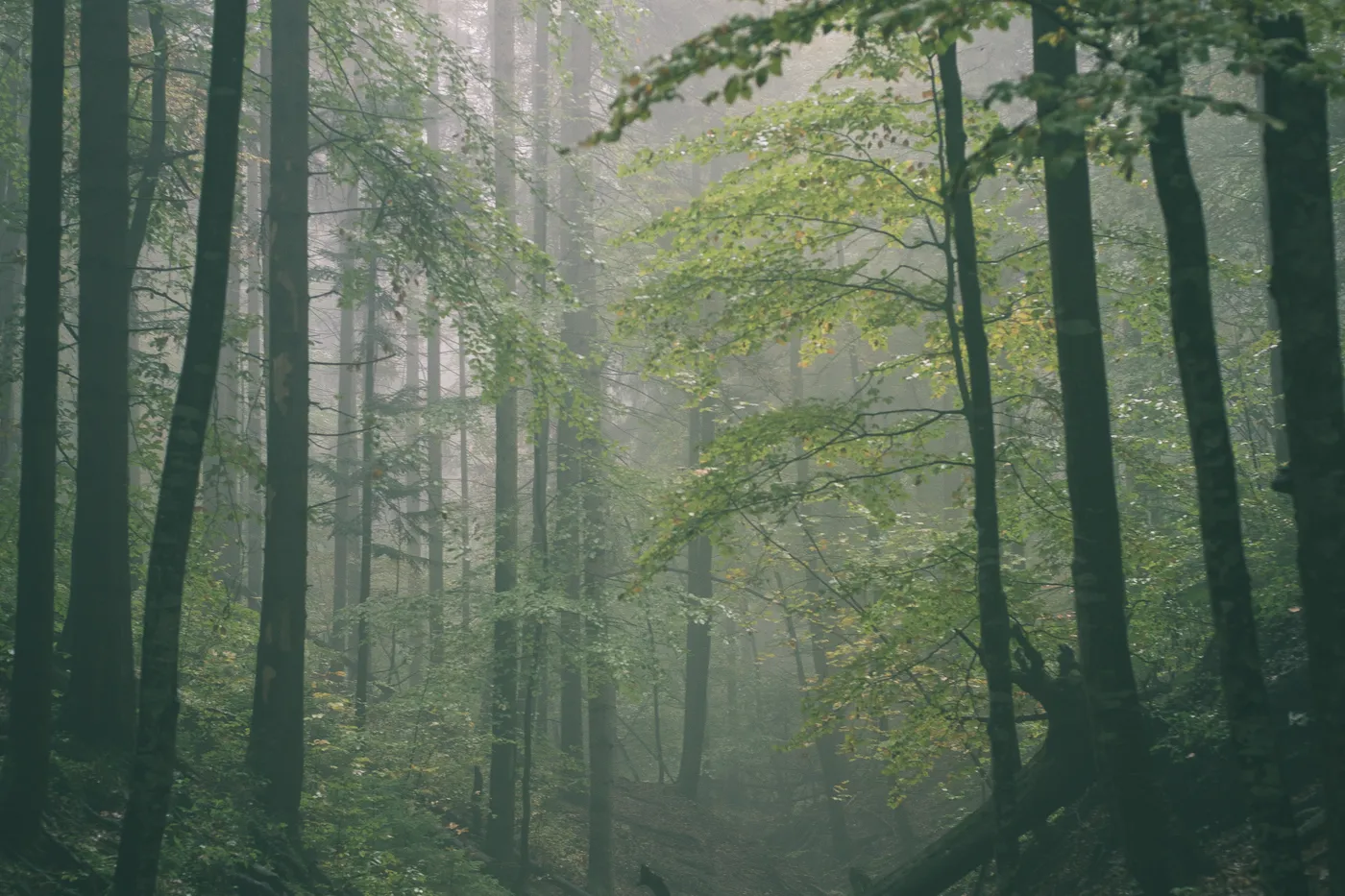
There is a particular kind of quiet that settles over you a few minutes into a walk among trees. The shoulders drop. The breath deepens without instruction. In Japan, this experience has a name, shinrin-yoku, which translates roughly to “forest bathing,” and over the past four decades it has grown from a poetic phrase into a respected field of preventive health. You do not hike, you do not count steps, you do not aim for a summit. You simply let the forest reach your senses.
Where the Practice Began
The term shinrin-yoku was coined in 1982 by Japan’s forestry ministry, which encouraged citizens to visit wooded areas as a form of restorative leisure. What began as a public wellness campaign soon attracted the attention of researchers who wanted to know whether time among trees produced measurable effects, or only pleasant feelings. Decades of studies later, the answer leans firmly toward the former.
What Happens in the Body
Research from Japanese and South Korean universities has repeatedly found that unhurried time in a forest can lower cortisol, the body’s primary stress hormone, and gently reduce blood pressure and heart rate. Participants in these studies often show a shift toward parasympathetic activity, the “rest and digest” state that counterbalances our modern habit of low-grade alertness.
One of the more intriguing findings involves phytoncides, the airborne compounds that trees release to protect themselves from insects and disease. When we breathe forest air rich in these compounds, studies have linked the exposure to a rise in natural killer cells, a type of white blood cell involved in immune defense. The effect, remarkably, appears to linger for days after a single immersive visit.
More Than a Walk in the Woods
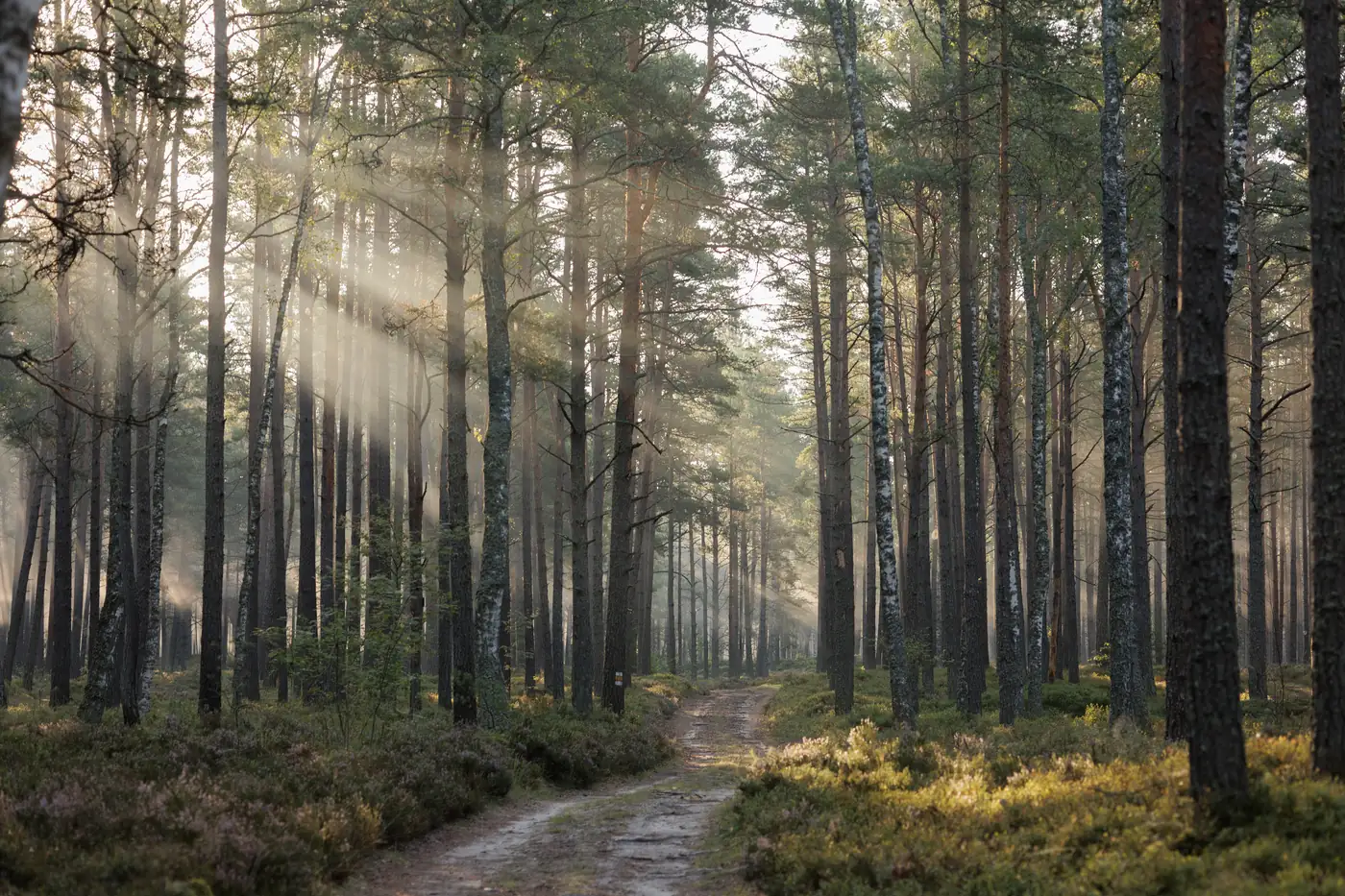
It helps to understand what forest bathing is not. It is not exercise, though movement is welcome. It is not a botany lesson, though curiosity is a gift. The heart of the practice is attention. You slow your pace until walking becomes almost incidental, and you let each sense take its turn: the layered greens overhead, the smell of damp earth, the texture of bark, the small percussion of leaves.
Guided sessions often last two to three hours and cover a surprisingly short distance, sometimes less than a mile. The point is not to arrive anywhere. The point is to be thoroughly, unhurriedly present in a living place.
How to Begin
You do not need a certified guide or an old-growth forest to start. A city park, a nature preserve, or a single generous tree will do. Consider these gentle invitations:
Leave the phone behind, or silence it completely. The practice depends on undivided attention, and notifications pull you straight back into the world you came to rest from.
Slow down more than feels natural. Walk at half your usual speed. Pause often. Let stillness be part of the experience rather than a gap to fill.
Move through the senses one at a time. Spend a few minutes only listening, then only looking, then only breathing in the scent of the place. This deliberate rotation quiets the busy, narrating mind.
Find a spot to simply sit. Some of the deepest benefits arrive when you stop moving altogether and let the forest carry on around you as if you were not there.
A Practice for Our Time
Most of us now spend the overwhelming majority of our lives indoors and on screens, in environments engineered to hold our attention. Forest bathing offers a countermeasure that is ancient, free, and available in almost every season. It asks nothing of us but our willingness to slow down and pay attention. In return, it offers something our nervous systems have been quietly waiting for: a reminder that we belong to the living world, and that the living world is glad to have us back.

Loading comments…