
A blond, curly-haired teenager with a pink rose tattooed above her upper lip flew out from the automatic doors of the thrift shop to catch a bus. Susan had been waiting for her friend Janet. September meant school, school meant clothes, so the girls made plans to check the thrift racks. When Janet didn’t show up and after texting “where r u” repeatedly, Susan headed home. Susan climbed aboard the Long Island behemoth, paid her fare and stepped down the narrow aisle. Among the dozen or so riders not one looked up at the adolescent. All but two of the passengers had been sucked into a buzzing, pinging vortex of digital devices. The two that had miraculously escaped the tow of the vortex were a young child sleeping peacefully against the window and the grandmother beside him. If either of them had anything to do with virtual reality there was no sign of it.
Susan sat next to the woman, who turned her eyes from the window through which she had cast her curiosity and settled them on the girl with a smile. Susan’s mood wasn’t one for smiling, though she forced one, a thin-lipped gesture acknowledging that they would be sharing space during their brief journey.
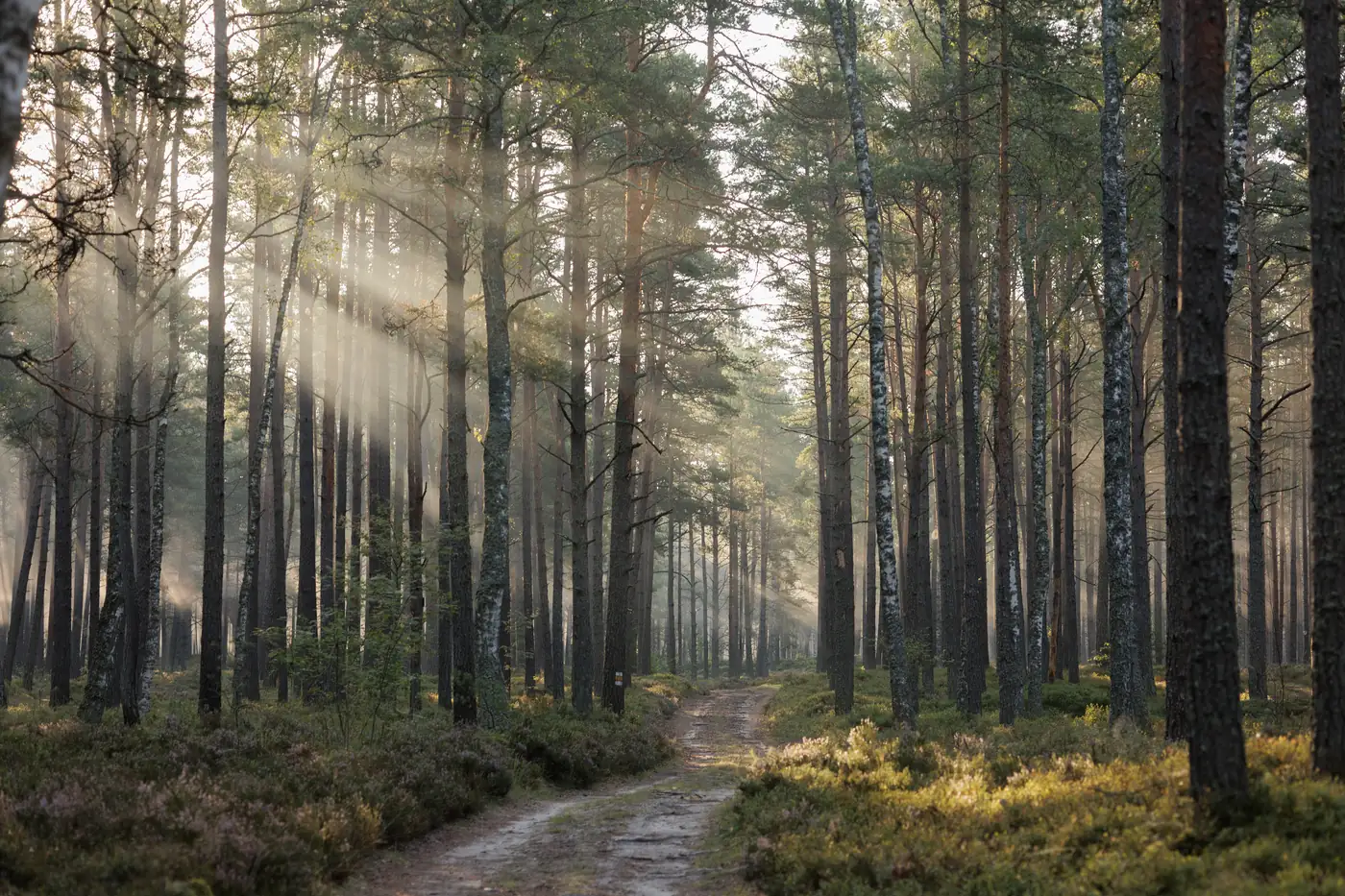
Shifting forward, the bus driver maneuvered away from the stop and back into traffic. The woman brushed the boy’s damp hair back from his forehead and went back to her window gazing. As the bus passed a small stand of conifers, remnants from a pitch pine forest that once spread across the area, the woman noticed a wild turkey fly out from one of the evergreens. Although excited, she thought better of waking the boy, hoping he might see one with its tremendous wingspan whipping the air while at the preserve where they were going.
As the bus picked up speed Susan’s phone pinged. She pulled up her messages. A round yellow-faced emoji with blue tears streaming down its fat smiling cheeks stared back at her. “Really?” she said and took an angry swipe at the yellow blot.
The world had changed. Her forever friend had slipped into a vast virtual swamp like so many of her other friends who went about hunched over, forward head postured and oblivious to real time.
“Does having a phone like that make life any easier?” asked the woman. Susan shrugged her shoulders. “I guess, in a way,” she replied and then, compelled by a fit of frustration, added, “sometimes it just gets in the way.”
Susan, having found a sympathetic ear, continued. “We were supposed to shop for school, me and my friend. She was probably on her phone comparing herself to other girls and hoping for user likes. Sometimes I feel so alone,” said Susan. Now on full vent she added, “My brother, he’s stuck in his room, obsessed by video games. My mom hammers away at him to hang out with his friends but they’re as bad as him, they’re all hooked. And while she goes at my brother to get off online, she’s forever elsewhere with her phone. It’s as if she’s attached to an I.V. solution dripping virtual whatever into her veins. Sometimes I really hate this thing. It’s hard to stay off it. It’s like you want all the news, all the stuff, all the time, or you’ll be out of a loop, a loop where nobody shares much of anything anyway. Sometimes I can’t help myself and stay up late watching videos and if there’s school the next day, I’m like a walking zombie. Most of the kids at school are like that, sleep-deprived walking zombies.”
Susan’s listener leaned slightly towards the girl and said, with an uncanny sparkle in her wise old gray eyes, “I just saw a wild turkey. Haven’t seen a wild turkey on the Island in more than fifty years. Have you ever seen one?” Derailed and confused, Susan shot the woman a blank stare, which the woman brushed aside and kept going on and on about wild turkeys, their wide wingspan, dark bronze or black feathers, and their ability to lay a multitude of eggs in a short time. “Imagine that,” she said, “fifteen eggs within two weeks!” She also told Susan that she and her grandson were on their way to a nearby nature preserve and that she hoped to show the boy a wild turkey when they got there.
By the time the bus reached the preserve Susan and the woman had somehow made it to a first-name basis. Susan found herself tagging along with Beryl and her grandson. A mix of catbird gurgles and squeaks along with cricket chirps and the crunch of pine needles beneath their feet greeted the trio as they entered the forest. While they walked through the preserve Susan’s frustration began to dissipate. She listened to Beryl, who told her the names of trees, like the sassafras with their multi-shaped leaves. “One of them looks like a mitten,” said Beryl. “And that, that’s an Eastern cottontail,” she continued when her grandson ran after a reddish-brown furry creature. “They eat greens in the summer and twigs in the winter,” said Susan’s new friend.
Susan closed her eyes and took a deep breath of the fresh, pine-scented air. On her exhale she felt something that a social psychologist might describe as a sign of collective effervescence. She felt uplifted by her newfound connection with nature and Beryl and her grandson and all the others enjoying the preserve. Although she would still have to find ways to deal with the impact of digital devices and how they changed her connection with her family and friends, both her inner and outer worlds had begun to expand for the better. She felt hopeful and no longer so alone.
Diane Lundegaard is a native Long Islander, environmental educator and freelance writer.

Loading comments…