
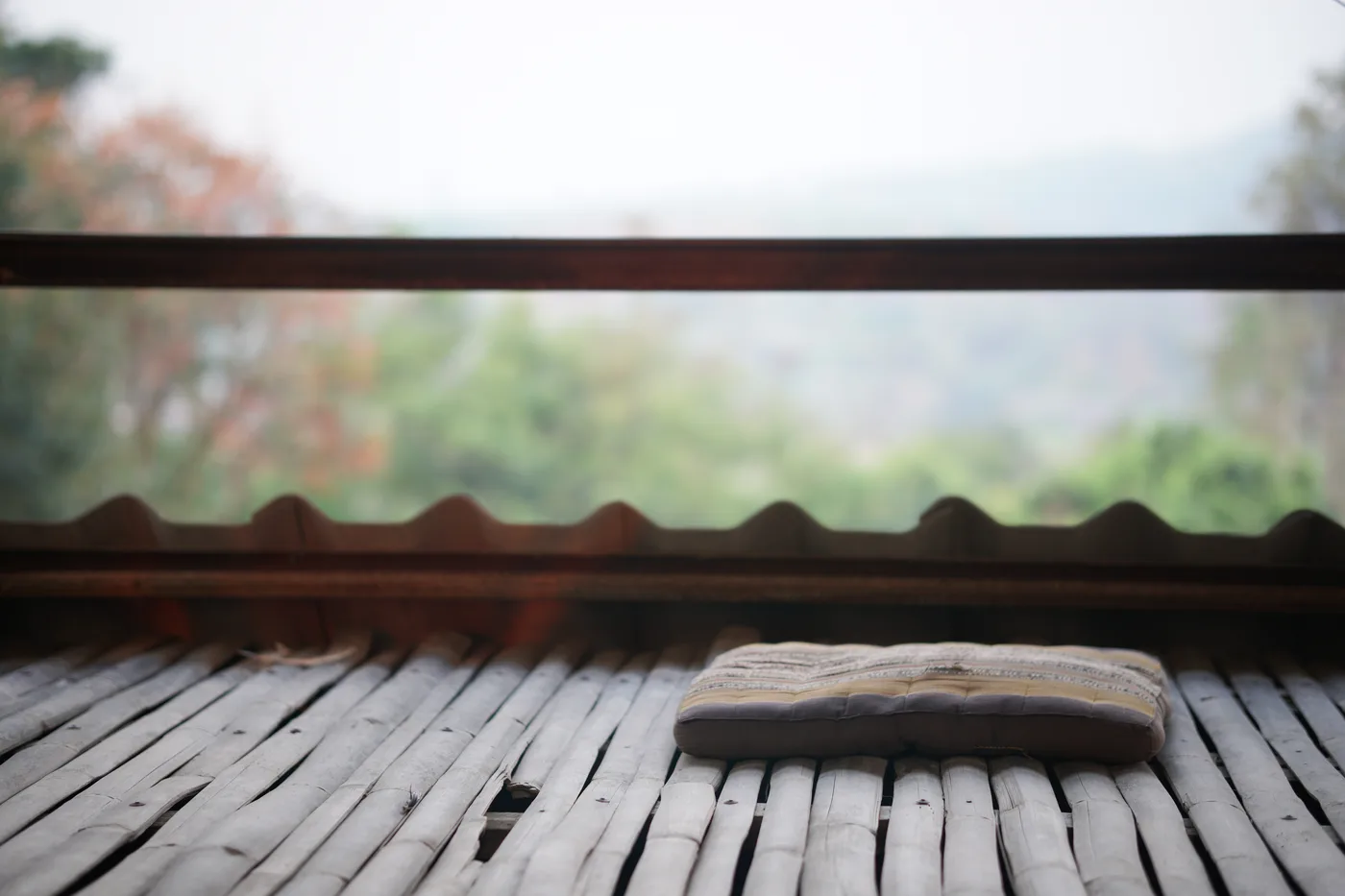
Sit down somewhere quiet, let your breathing do whatever it is already doing, and count the out-breaths. One as the first breath leaves. Two on the next. When you reach ten, go back to one. That is the whole instruction. It sounds like the simplest thing you will ever be asked to do, and most people who try it find they cannot get to ten. Somewhere around four, or seven, they realize they have been planning tomorrow's errands for some time, and the count is nowhere to be found.
That moment, the one where you discover you have lost it, is not the practice going wrong. It is the practice.
An old instruction for beginners
Counting the breath is one of the oldest meditation methods there is. In Zen it is traditionally the first practice a beginner is given, and versions of it appear in other contemplative traditions too. It has lasted because it solves a real problem. Telling someone to simply watch their breath is vague. The mind has nothing to hold, and it slides off almost immediately without noticing it has gone.
A number gives the attention a job. More to the point, it gives you a way to know when the attention has wandered. If you are watching the breath, drifting away is invisible. If you are counting, drifting away leaves evidence: you are suddenly unsure whether you were on five or six, or you find yourself at fourteen, having sailed past ten on autopilot while thinking about something else entirely.
How to do it
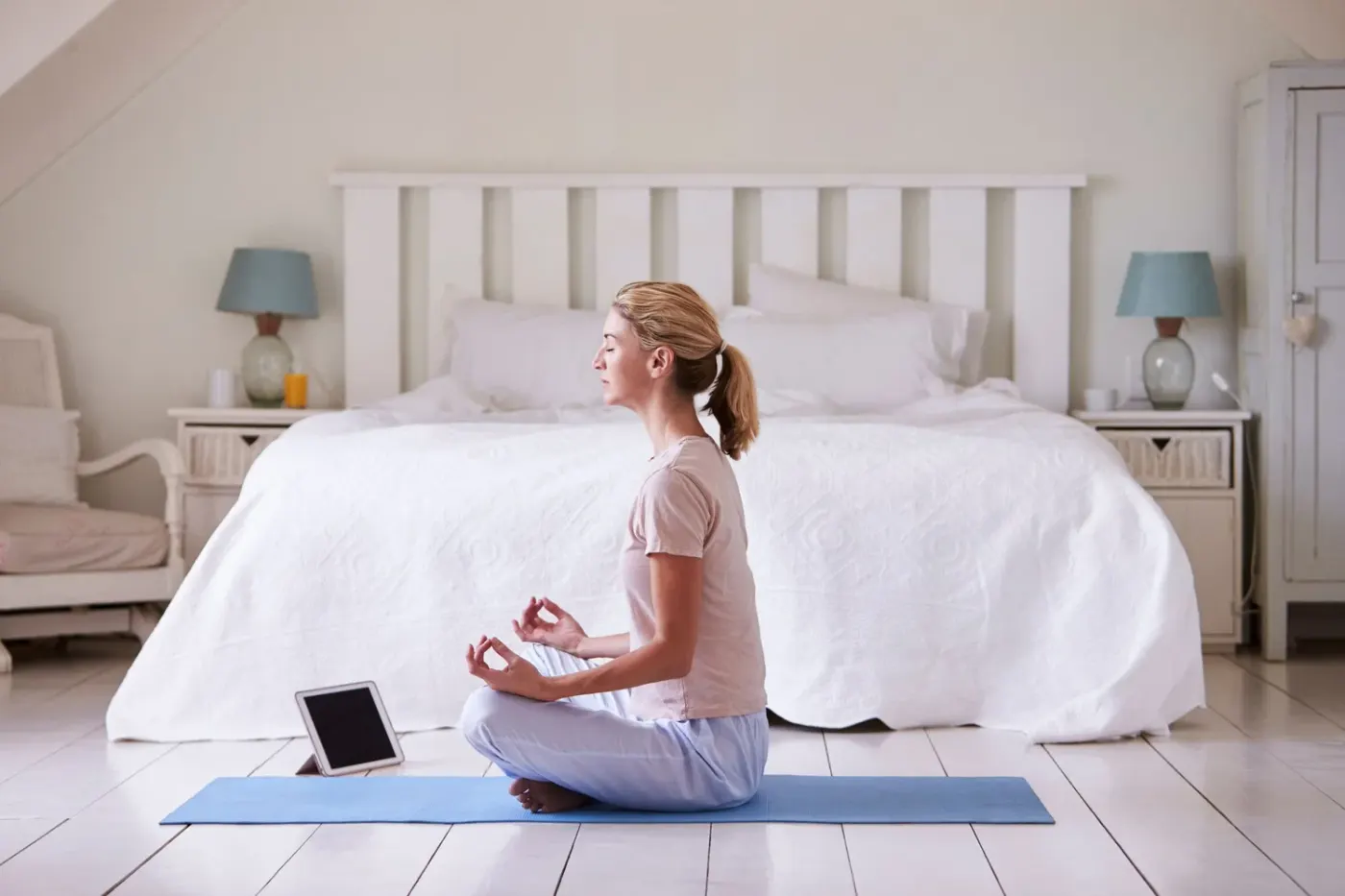
Sit in a way you can hold for ten minutes without fidgeting. A chair is fine; feet on the floor, back upright but not stiff, hands resting in your lap. Close your eyes or let them rest, half open, on a spot on the floor a few feet ahead.
Do not change your breathing. This is the part people get wrong. Counting tempts you to start managing each breath, making it longer or smoother so it deserves its number. Let the breath be ordinary. The count simply rides along with it.
Count silently on the out-breath. Some people like to let the number last the whole length of the exhalation, a long, quiet one that fades as the breath does. The in-breath gets no number; it is just the pause before the next count.
When you reach ten, return to one. When you lose count, return to one. When you notice you have reached eleven or twelve, return to one. There is no other rule. You do not go back to where you think you were. You do not finish the set before starting over. You simply begin again at one, without commentary.
What you will notice
The first thing most people notice is how rarely they reach ten. That can be startling, even a little alarming, the first time. It is not a sign that your mind is unusually scattered. It is a fairly accurate picture of what an ordinary human mind does all day, made visible for once because you gave it a simple task and watched what happened.
The second thing people notice is the voice that arrives when they lose count. It says something like: hopeless, you cannot even do this. That voice is worth meeting, because it is the same one that comments on most of your day. The practice asks you to hear it and go back to one anyway, without arguing and without agreeing. Over time, the return gets lighter. You lose count, you notice, you begin again, almost with a shrug.
And that return is the muscle being trained. Every time you notice you have drifted and come back, you are rehearsing the move that matters most in an ordinary day: catching yourself mid-spiral, mid-worry, mid-argument in your own head, and returning to what is actually in front of you. A session in which you lost count thirty times and came back thirty times is not a bad session. It is thirty repetitions.
Common snags
You keep controlling the breath. Try counting more lightly, as if the number were whispered rather than announced. Or count on the in-breath for a few rounds to break the habit, then return to counting the out-breath.
You count perfectly and think about everything else. This happens once the counting becomes automatic. The numbers keep ticking along while the mind is elsewhere. If you notice it, make the counting more deliberate: feel the breath leave, then place the number. Or count down from ten instead, which takes slightly more attention.
You get sleepy. Sit up a little straighter, open your eyes partway, or practice at a different time of day. Breath counting late at night in a warm bed is a fine way to fall asleep, but that is a different practice.
You find it makes you anxious. Some people find that paying close attention to breathing makes them uneasy. If that happens, open your eyes, count something else instead (the ticks of a clock, your footsteps on a slow walk), or simply stop. If anxiety is a frequent and difficult part of your life, a doctor or therapist is a better guide than any meditation method.
How long, and how often
Ten minutes a day is a good start, and five is better than none. Daily matters more than long. Use a gentle timer so you are not checking the clock, which is its own kind of distraction.
Over weeks, many people find they reach ten more often. Others find they never do, and that is fine too. The count was never the goal. Reaching ten is not a score. It is just a convenient place to start over.
Carrying it out of the chair
The most useful thing about breath counting is how portable it is. Waiting at a light, standing in a line at the pharmacy, lying awake before an early morning: three or four out-breaths, counted, bring you back into the moment you are actually in. You do not need a cushion, an app or a quiet room.
Try it today for ten minutes, and count every time you return to one if it helps. Then notice, once or twice through the rest of the day, when you have drifted somewhere you did not choose to go. You already know the move. One, and begin again.

Loading comments…