
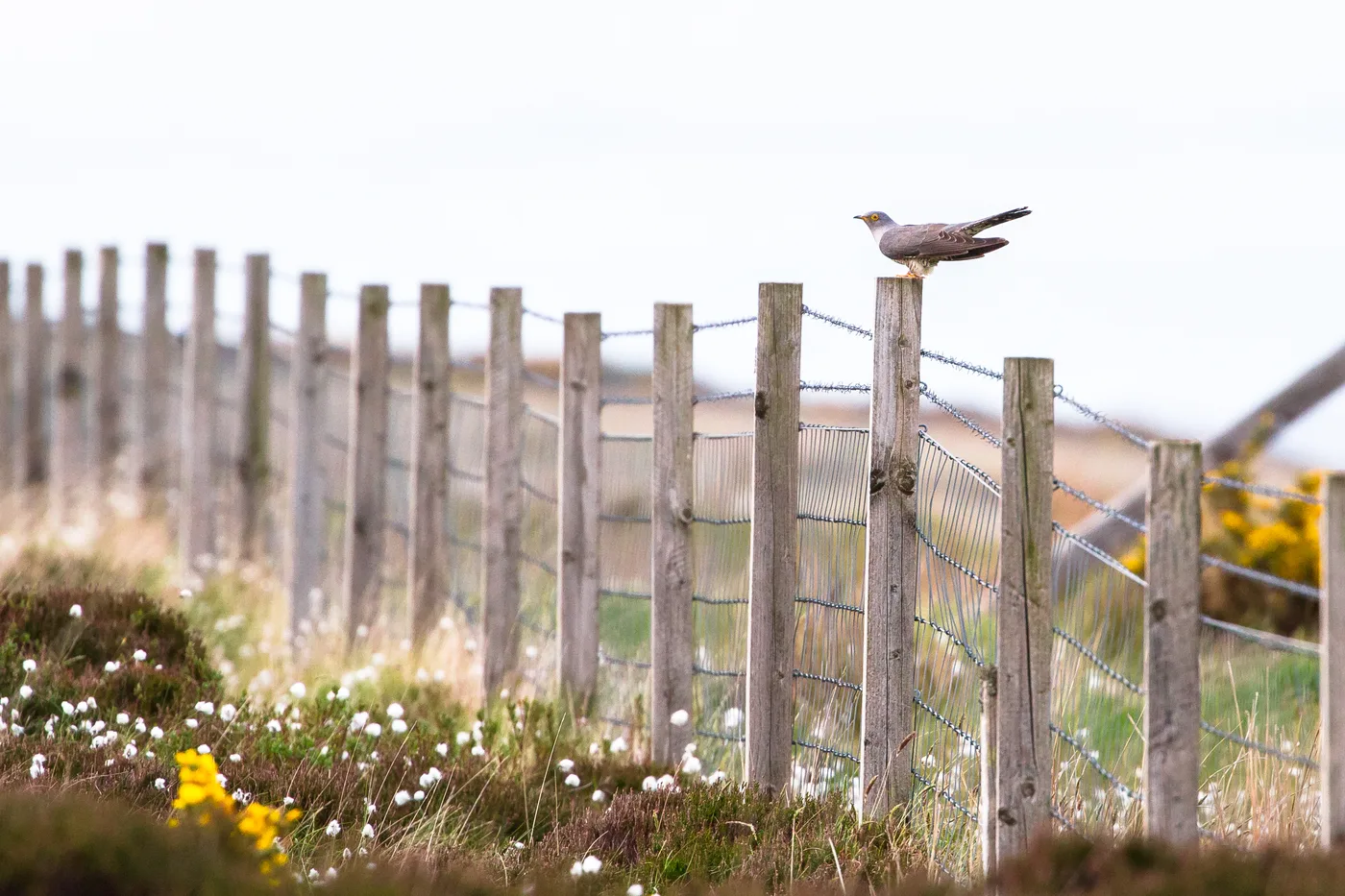
Someone you love is standing at the window. Without turning around, they say it: come see this. A hawk on the fence post, a neighbor's absurd inflatable pumpkin, a sky doing something ordinary and briefly gold. It is nothing. It could not matter less what is out that window. And yet the next three seconds are the relationship, in miniature, doing the thing it does a hundred times a week while nobody is watching.
The smallest unit of a relationship
We tend to imagine that relationships are made and unmade in their big scenes. The anniversary conversation, the argument in the car, the long talk after the bad news. Those matter. But researchers who have actually watched couples up close, for hours and days at a time, keep arriving at a humbler conclusion: the real material of a relationship is far smaller than that, and there is far more of it.
The psychologist John Gottman, who spent decades observing couples in an apartment laboratory outfitted to record their ordinary days, gave this small material a name: the bid. A bid is any little overture one person makes for another's attention. Come see this. Listen to this part. A sigh from the next room. Holding up the phone with a photo on it. Reading a sentence aloud from a book the other person is not reading. On the surface, each one is trivial. Underneath, each one is the same question, asked in disguise: are you there?
Every bid gets one of three answers. You can turn toward it: look up, lean in, say something, come to the window. You can turn away from it: keep scrolling, murmur without hearing, let it fall. Or you can turn against it: not now, I'm busy, why are you telling me this? Almost nobody remembers any single one of these moments a day later. That is precisely what makes them dangerous to ignore. They feel too small to count, and they are almost the whole ledger.
What the watching revealed
When Gottman's team followed newlywed couples over time, the difference between the marriages that lasted and the ones that ended showed up exactly here, in the trivia. The couples who were still together six years on had turned toward each other's bids about 86 percent of the time. The couples who had divorced had done so about a third of the time. Not in the fights, which every couple had. In the fence-post hawks.
Think about what that means. It suggests that the fate of a long relationship is written less in how two people handle their worst moments than in how they handle their most forgettable ones. A couple with real conflict and a thick daily weave of small turnings-toward has something to stand on when the hard conversation comes. A couple who never fights but has quietly stopped coming to the window is thinner than they look.
This is oddly good news. You cannot rehearse your way into handling a crisis beautifully. But anyone, on any ordinary Tuesday, can look up from the cutting board.
Why we miss them
Bids are easy to miss because they are disguised as their content. When your partner reads you a headline you do not care about, the words are the wrapping paper. What is inside is the reach. If you respond to the wrapping (that is not really news, I saw that yesterday), you have answered a question that was never being asked, and declined the one that was.
They are also easy to miss because the asker protects themselves. Nobody says: I would like sixty seconds of your undivided attention to confirm that I still matter to you. That is too naked. So we ask through birds and headlines, which gives the other person room to miss it without either of us having to call the miss what it is. The bid is deniable by design, and its rejection is deniable too. That deniability is a mercy in any single moment and a slow leak over years.
And a missed bid rarely produces a complaint. It produces something quieter: fewer bids. People do not usually announce that they have stopped reaching; they just reach less, and the household gets more efficient and more silent, and both people vaguely feel the temperature drop without being able to point to a cause. If you have ever wondered where the small talk in a long relationship went, this is very often where. It was not talked out. It stopped being answered.
The phone deserves its own sentence here, not as a villain but as a fact: it is a bid-absorbing device, and it is in your hand at exactly the moments when bids are most likely to arrive, the unscheduled ones, the in-between ones, the standing-in-the-kitchen ones.
A week of turning toward
Here is the practice, and it costs almost nothing. For one week, treat every small overture from the people you live with, or love from a distance, as exactly what it is. When the headline gets read aloud, put a thumb in your own page and listen to it. When the phone gets held up, look at the photo for as long as they hoped you would, which is about four seconds longer than you were planning. When someone says come see this, go see it. Not with performed enthusiasm, which reads as what it is, but with plain, unhurried attention. Turning toward does not require agreeing that the pumpkin is interesting. It only requires showing up to the window where the person is.
Notice, too, what happens in you when a bid arrives at a bad moment, because it will. The instinct is to treat the interruption as a cost. Sometimes it genuinely is, and there is an honest version of not now: name a time, and then actually come back. What corrodes is not the deferral. It is the deferral that never lands anywhere.
Then turn the lens around, which is the more uncomfortable half of the week. Watch your own bids. Notice how often you reach, how you disguise it, and what you do when a reach falls flat. Most of us discover we are running the same protection scheme we resent in others: asking sideways, keeping the ask small enough to disavow, and quietly docking points when the sideways ask is sideways missed. Seeing that in yourself makes it much harder to grade a partner harshly for the identical move.
What accumulates
None of this is a technique for fixing a troubled relationship, and a relationship in real trouble deserves more than a week of window visits. What turning toward builds is slower and less dramatic: a kind of standing balance, deposited three seconds at a time, that both people draw on without noticing, the way you do not notice your health until you need it.
The bids will come today. That is the one guarantee in all of this. Somebody in your life is going to say something to you that does not matter, about a bird, a sale, a sentence in a book, and it is going to arrive looking exactly like an interruption. It is not an interruption. It is the relationship, presenting itself at the window, asking its one disguised question. You already know the answer you want to have given. Go see the bird.



Loading comments…