

Why does suffering go on and on? It's very valuable to take time to question this, and see the ways in which this happens. All of us are greatly affected by our own suffering and the suffering of others. The more clarity we have about this process, the more we can free it and help free others.
Addicted to Our Suffering
Some of us are actually addicted to our suffering, and seek all kinds of painful moments, relationships and situations. They're familiar and we feel at home in them. Masochists and martyrs, for example, often experience suffering as pleasurable. For them, suffering provides an identity, a way of interacting with the world. Perhaps it's a way to recompense for what they feel they've done wrong. They feel guilty and seek punishment to assuage their guilt. These individuals attract, seek, and cling to suffering.
Some want to take on the sufferings of others, to relieve them of their difficulties. It's worthwhile truly exploring what it is that actually relieves others of their suffering. Otherwise, it's easy to become manipulated by all forms of distress. And as we become more and more distraught, it's easy to bypass the true way that suffering can be released and converted into wisdom and strength.
Benefits of Suffering
For individuals who are addicted to suffering, there are usually secondary benefits. Their identity as a person who suffers, or a victim, can provide a justification for expressing anger or getting revenge. This identity can also justify demanding all kinds of special consideration from others. Some of these individuals enjoy making others feel sorry for them, guilty about their pain. And even suggesting that the other person has caused it.
Suffering can turn into a huge manipulation of others. It's as if those suffering are saying, look how much I'm suffering, now you have to do what I want, or else you'll be adding more pain to my life. They feel as though they can act any way they like, be as nasty as they want, demand anything.
No One Else Can Cause Your Suffering
Your suffering is never truly caused by another person, or by what happens. It is always caused by the way you respond to the person or situation, by your own perception of the event, and the way you respond to it. You may not be able to change the person or situation, but you can always be in charge of the ways in which you respond.
Pain Is Not Suffering
Believe it or not, suffering is not inevitable. Pain is not suffering. It is just pain. You cut your finger and it throbs. You become ill and your body aches. A dear friend dies and you mourn. These are natural life circumstances that cannot be avoided. They are not to be feared, but taken for what they are. Realize that pain is just pain. It does not mean you will feel this way forever, that you are being punished, or that the rest of the world is about to fall apart.
Pain is just an experience you are having, and if you do not resist it, it will leave naturally, making room for whatever comes next. Experiences come and go, like clouds in the sky. When you do not resist or hold onto them, they float away on their own.
Do Not Turn Pain Into Suffering
However, we often turn pain into suffering, which is harder to cope with, and can become a lethal force in our life and the life of others. The way we turn pain into suffering is to dwell upon our pain and make it mean something terrible: blame others for it, talk about it to everyone, use it to get sympathy and attention. We feel we are being singled out for unfair treatment. When we engage in this kind of behavior, suffering becomes a way of life, even addictive.
How do you turn your pain into suffering? What causes you the greatest suffering in your life now? Are there benefits to your pain? What are you getting out of it? What would happen if it were gone?
A Life Based Upon Suffering Is a Life of Fear
A life lived in suffering is a life based upon fear. You fear being happy, successful, or loved. You fear working through problems and letting conflict subside. You can be in a wonderful relationship, which you inevitably sabotage because you cannot allow yourself to have happiness or fulfillment. That would mean letting go of your suffering.
Who would you be without your suffering? How would you interact with the world?
John had a pattern of being with a woman for about six months. The initial stages of the relationships were wonderful, but as feelings deepened, and the women wanted more, he began to find fault with them. Not one of them fit the bill. There was no reason to continue the charade. Before long, he was alone again. After each of the relationships ended, he blamed the women, but he also missed them, and did not understand what caused all of this to go on.
One day John realized, "I just couldn't take being so happy. It didn't fit my picture of myself. I didn't know who I was when I was happy. I needed something to complain about, someone to fight." John's sense of self disappeared when things were going well. Therefore, he held onto an identity fueled by suffering and fear. John was addicted to suffering. Ask yourself, who would you be without your suffering? What would you talk about with your friends? How would you make others care for you? Where would you get excitement from in life?
The more awareness you have, the more you will be able to stop clinging to suffering, to forgive yourself and others, and live a life that is truly inspirational for all.
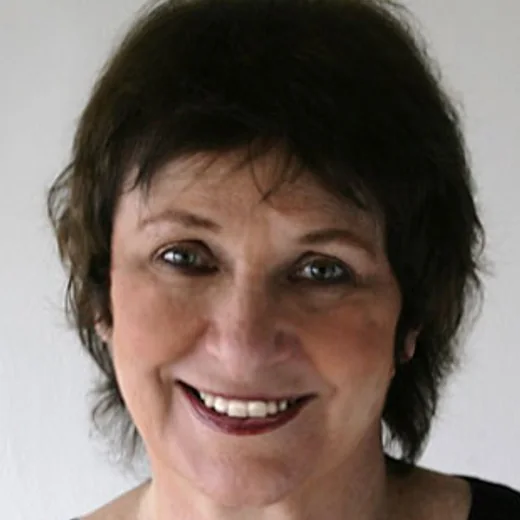
Brenda Shoshanna, Ph.D. is an award winning author, speaker, psychologist and long term Zen practitioner. Her work integrates the teachings of East and West and focuses upon how to make the teachings real in our everyday lives. This article is based upon her book, Fearless (Seven Principles of Peace of Mind). Brenda offers talks, workshops and a weekly podcast, Zen Wisdom for Your Everyday Life. zenwisdomtoday.com. Her YouTube channel is Dr Brenda Shoshanna. Contact her at [email protected]



Loading comments…