
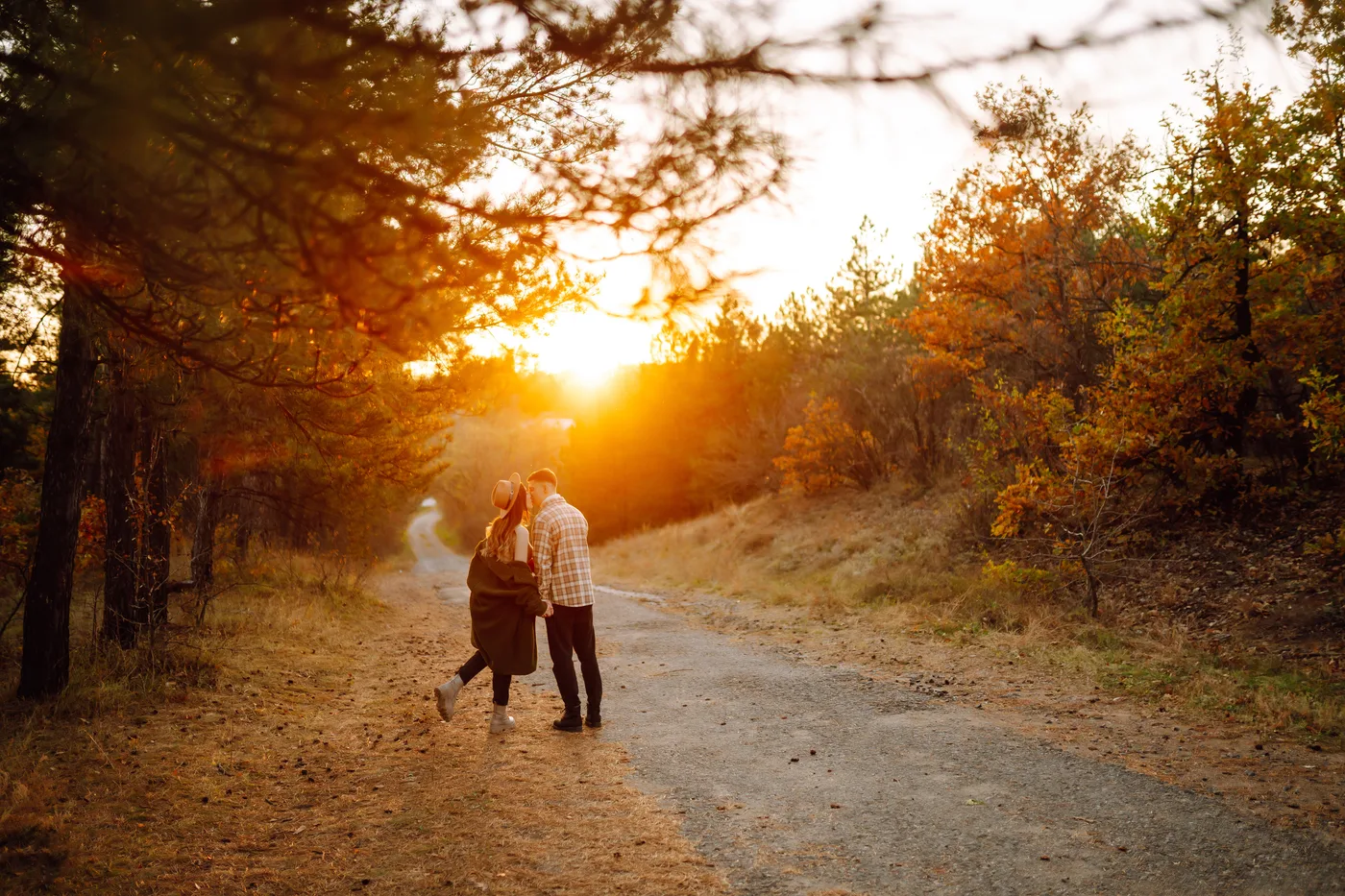
The plates are cleared, or at least stacked, and the evening opens its one real question: couch or shoes? The couch has gravity on its side. The meal itself is pulling you down into it, and the day is spent, and the show is queued. But in villages and city neighborhoods across a good part of the world, the hour after dinner has an answer so old nobody thinks of it as health advice. You walk. Slowly, not far, often with someone, while the light goes. It turns out the body has strong opinions about that walk, and they are worth knowing, because ten minutes is a very small price for what it buys.
What a Meal Sets in Motion
Start inside, in the hour after you eat, because the walk makes sense only once you can see what it is walking into.
A meal, especially one with bread or rice or pasta or anything sweet, breaks down into glucose, which moves from the gut into the blood. Blood sugar begins climbing within minutes and typically crests somewhere between thirty and ninety minutes after you finish. In response, the pancreas releases insulin, the hormone whose job is to move that glucose out of the blood and into cells, where it is used or stored. This rise and fall is not a malfunction. It is digestion, working as designed.
But the shape of the curve matters. A meal followed by stillness produces a taller, longer spike, and an afternoon of them produces the familiar post-meal heaviness, the slump, the six o'clock fog. Over years, researchers consistently find that flatter curves after meals are the friendlier pattern for the body. The interesting part is how much influence you have over the shape of that curve in the exact hour it is being drawn.
The Muscle Trick
Here is the mechanism, and it is a genuinely elegant one. Muscles run on glucose, and a working muscle can pull glucose out of the blood directly, without waiting on insulin to escort it. Contraction itself opens the doors. This is a separate pathway from the insulin system, a side gate that swings open whenever the muscle is actually being used.
Now consider what walking is: the rhythmic contraction of the largest muscles you own. The thighs, the glutes, the calves, all drawing fuel the moment they start moving. Take them for a walk while the meal's glucose is arriving in the blood, and some of that glucose is burned on arrival, taken up by the working legs instead of waiting in circulation. The spike is shorter and the curve is flatter, not because of anything exotic, but because you spent the sugar while it was being delivered.
This is why the timing matters more than the intensity. The glucose from dinner is arriving in the first half hour or so after you finish eating. A walk taken then meets the meal in the bloodstream. The same walk at nine thirty is still a good walk, but it misses the delivery.
What the Research Actually Shows
None of this is theoretical. Trials that compare sitting after a meal with light walking after the same meal, pooled and re-analyzed over the past decade, point the same direction: easy walking after eating reliably lowers the post-meal rise in blood sugar compared with staying seated. What surprises people is the dose. Even a few minutes registers in the data. Ten to fifteen minutes at a comfortable pace does more, and is where the practice comfortably lives. Nobody needs to jog.
Two honest cautions belong here. First, the research describes a shift in a curve, not a transformation of a life; a nightly walk is a good habit, not a treatment. Second, anyone managing diabetes or taking medication that affects blood sugar should treat this as a conversation to have with their clinician, not a substitute for one. The walk is for the rest of the evening's territory: the slump, the heaviness, the long sit that was about to happen instead.
A Walk, Not a Workout
It is worth being clear about what kind of walking this is, because the fitness culture reflex is to turn everything into training, and this is the rare practice that gets worse when you try harder.
The pace is conversational. You should be able to talk in full sentences the whole way. Hard effort right after a full meal is a bad trade anyway; digestion and sprinting compete for resources, and the stomach usually files the complaint. The distance is unimpressive on purpose: around the block, to the corner and back, one slow loop of the neighborhood. If you got to ten minutes, the mechanism got everything it needed. Gentle movement also tends to help the meal itself along, which is why so many food cultures follow dinner with motion rather than a recliner.
What Else the Walk Carries
The blood sugar story is the mechanism, but it is not really why the habit survives in the places that have kept it. The Italians have a name for the evening walk, the passeggiata, and it was never about glucose. It is the seam of the day: the place where the working hours are formally over and the evening is allowed to begin.
A walk after dinner is ten minutes side by side with whoever you live with, facing the same direction, which is the posture in which people say things they do not say across a table. It is the day's last dose of sky. In August on Long Island it is the hour of swifts and the first crickets, and by September it will be the hour when the light goes early and gold. People who keep the habit describe the same effect from different angles: the evening stops being one long undifferentiated sit, and the night's sleep seems to start from a calmer place.
Beginning Tonight
The practice needs almost no instructions, which is a mark in its favor. Put shoes near the door you actually use. When the meal ends, go before you sit down, because the couch negotiates hard and always wins the second round. Take whoever wants to come; the dog has been lobbying for this policy for years. Go slowly, go ten minutes, and let the dishes wait, since they hold their value.
What you are building is not a fitness program. It is a hinge for the evening, one the body happens to be built to reward. The meal arrives, the legs spend it, the day gets a proper ending, and the couch is still there when you get back, having lost nothing but its argument.
Loading comments…