
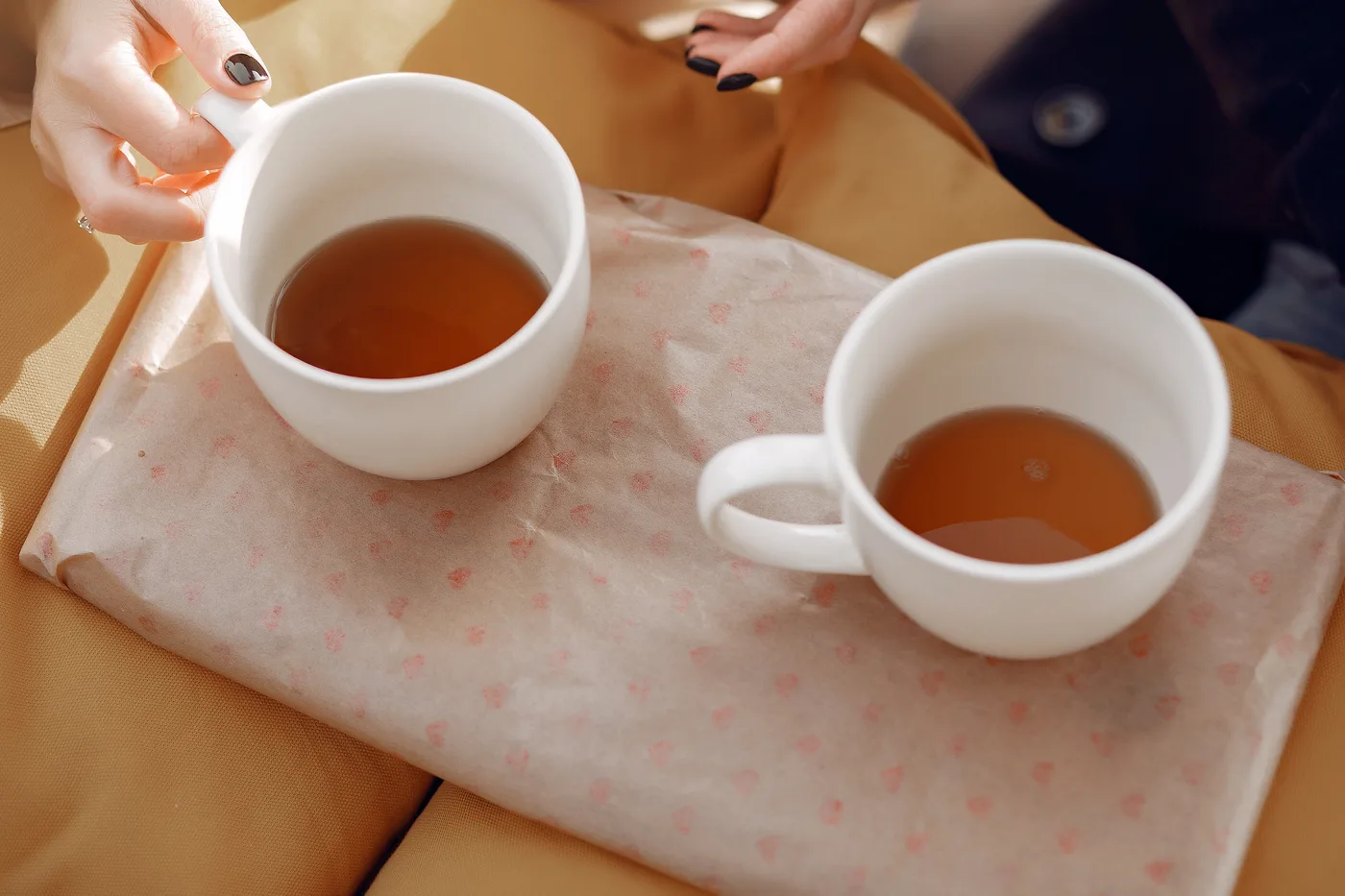
The argument ended twenty minutes ago, or at least it stopped. The house has gone quiet in that specific way, the two of you in different rooms, orbiting. Then one of you appears in the doorway and says something small and almost silly: do you want tea, the cat is doing the thing again, I found your charger. It is not an apology. It does not mention the argument at all. And the next three seconds will matter more to the two of you than anything either of you said while the argument was hot.
What just happened
The tea is not tea. It is a repair attempt: a gesture whose entire actual content is a question, and the question is, are we still us. Researchers who spend their careers watching couples disagree have found that the fate of these small moves tells you more about whether a pair will last than how often they fight, how loudly, or about what. Plenty of durable couples argue frequently and always will. What separates the couples who wear well from the couples who wear out is not the presence of conflict but what happens at the seam afterward: whether someone reaches across, and whether the reach is received.
Conflict, it turns out, is not what erodes a relationship. Unrepaired conflict is.
Why they are so easy to miss
A repair attempt almost never announces itself, and it is almost never graceful. It arrives disguised: a joke pitched slightly wrong, a comment about the weather, a snack set down at your elbow, a chore quietly done that is normally yours. The disguise is not cowardice. It is protection. Because the gesture never mentions the argument, it can be denied. If it is rebuffed, both of you can pretend it was only ever tea, and the person who made it is spared the full price of having reached out and been refused.
Understand what it cost anyway. The person in the doorway is going first. They are moving toward you while the injury is still warm, with no guarantee of welcome, and pride has dressed the move in the most ordinary clothes it could find. It looks like nothing because it has to look like nothing. That is how you know it is something.
Receiving matters more than sending
Here is the asymmetry worth building a marriage on: a graceful repair attempt that gets rejected accomplishes nothing, and a clumsy one that gets accepted accomplishes everything. The skill that predicts the future is not making beautiful gestures. It is recognizing awkward ones.
Accepting is not conceding. Take the tea and you have surrendered no territory in the disagreement, which can resume later if it needs to, at a temperature where you can actually hear each other, or quietly dissolve because it was never really about the dishwasher anyway. All acceptance says is: the argument is a thing we are having, not a thing we are. Answer the small question. Laugh, even generously, at the joke that was only sixty percent of a joke. Let the temperature fall.
Rejection has a righteous costume it likes to wear: do not change the subject. And sometimes the subject does still need finishing. But be honest about what the rebuff does. It burns the bridge the other person just built, badly, out of the only materials their pride would release. Do that often enough and the attempts stop coming, not because the love is gone but because the reacher has learned the water is cold. Couples in real trouble are rarely the ones who fight hardest. They are the ones who no longer reach.
There is one more thing acceptance is not, and that is scorekeeping. In many pairs, one person is the designated reacher: they run warmer, or they simply cannot stand the silence as long. If that is not you, it is tempting to treat their reliability as a system that works, and wait. But a repair attempt is expensive every single time, and a bridge built from one side only carries so many crossings. If you cannot remember the last time you were the one in the doorway, that is worth knowing about yourself, and worth changing before it is worth discussing.
Making one well
If you are the one in the doorway, timing beats eloquence. Mid-argument, when hearts are pounding, nobody can take anything in: the body in full alarm is simply not equipped to receive a gesture, however tender. A repair launched into the flood gets swept away with everything else. Give it twenty minutes or so, until breathing has come down and the rooms have gone quiet. The doorway moment exists because some part of both of you knows when the window opens.
Ordinary beats grand. Flowers after every fight becomes a currency, and currencies get audited. The strongest repairs are small, specific, and native to your shared life: the tea made the way she takes it, the blanket brought to the couch, the terrible pun that belongs to the two of you. Grandness asks for a response. Smallness just holds the door open.
And know what the gesture is for. When the argument was about something real, the tea does not replace the conversation. It makes the conversation possible, later, between two people whose bodies have stood down. A repair attempt is not the treaty. It is the ceasefire in which a treaty can be written.
Learning your house's dialect
Every long partnership develops its own dialect of repair, and the vocabularies are rarely symmetrical. One of you makes food. One of you makes jokes. One of you starts a conversation about logistics, the least romantic olive branch ever extended, and means by it everything an apology means. Children have dialects too, usually the sudden urgent need to show you something, and so do old friends after a bristly phone call.
It is worth learning your household's phrasebook, and the best time to study it is peacetime. Said kindly on an ordinary evening, when you bring me coffee after we argue, I know what you are doing, and it works, is not a criticism. It is a gift: it tells your person their reaches have been landing, and it makes the next one easier for both of you to see.
So this week, watch for one. Odds are decent that someone near you will appear in a doorway holding something small, wearing the studied casualness of a person pretending not to be reaching. You will have three seconds, and you will not need them. Take the tea.


Loading comments…