
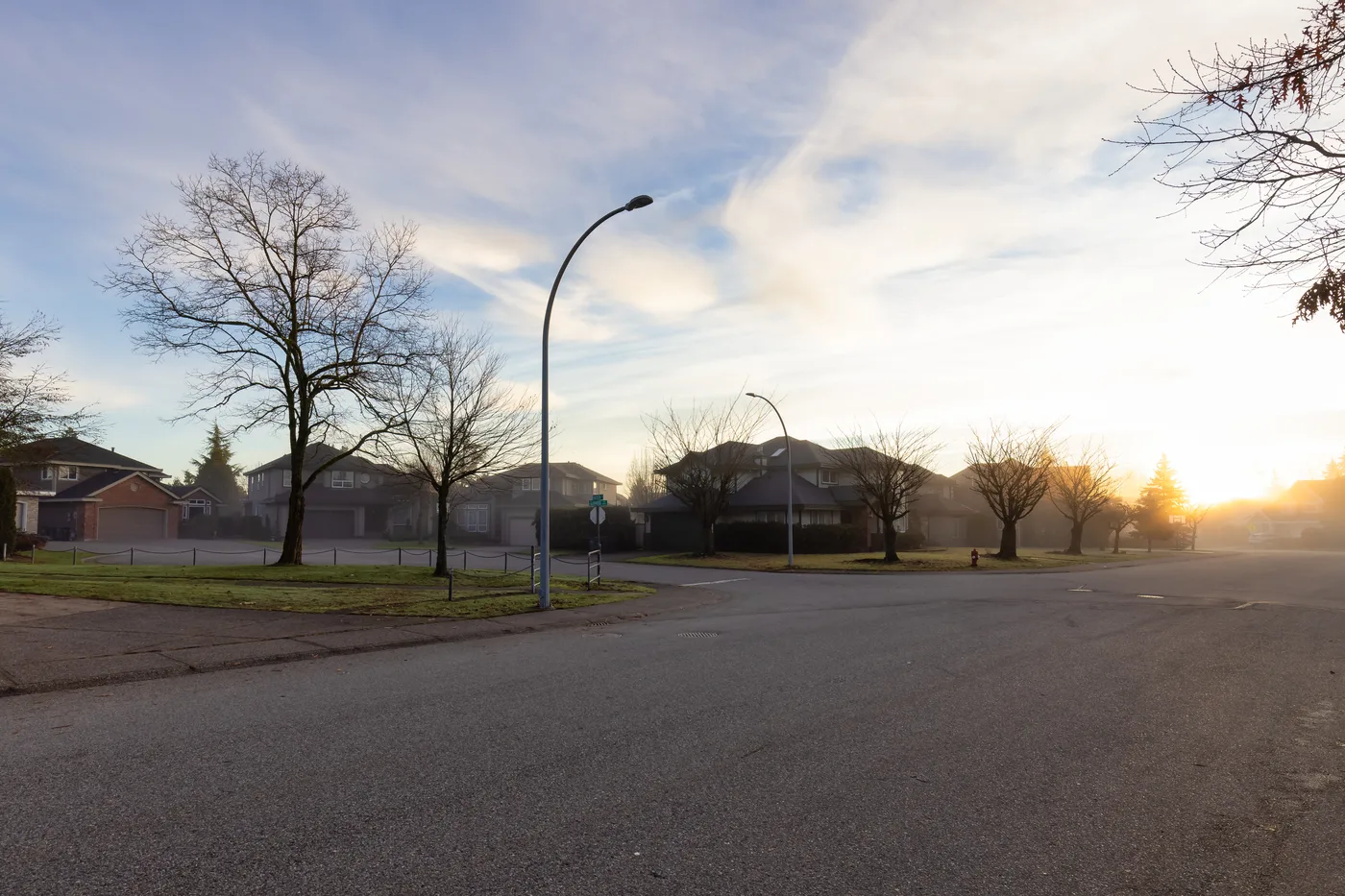
There is a corner you drive around now. Or a hospital entrance you will not use, a stretch of beach you have not walked since that summer, a restaurant you no longer suggest. Nobody else would notice. The route adds four minutes, the beach has other paths, the town has other restaurants. But you know why. Something happened there, and the place has been holding it ever since, waiting for you with the same light and the same smell, as if no time had passed at all.
Why places hold on
Memory is not stored like a file in a drawer. It is woven into its surroundings. When something frightening or painful happens, the brain records not only the event but the setting: the shape of the street, the sound of the automatic doors, the color of the walls, the season. This is useful. A creature that remembers where danger happened is a creature more likely to avoid it next time.
The cost is that the setting becomes a key. Return to it, or even to something that resembles it, and the memory can open all at once, bringing the body's response along with it. A racing heart at a particular intersection. A wave of nausea in a hospital lobby. Tears in the cereal aisle of the grocery store where you used to shop together. The reaction can feel out of proportion, even embarrassing, but it is simply the memory doing what memories do.
What avoiding it does
Going around the place makes perfect sense. It spares you the wave, and in the early days after something hard, sparing yourself is often exactly right. Grief and shock need time before anything else.
Over the long run, though, avoidance tends to keep the memory frozen. If the only version of that corner you carry is the worst one, nothing ever gets the chance to update it. The place stays exactly as frightening as it was on the day it happened, and sometimes the circle of avoided places quietly grows: first the intersection, then the road, then driving at night.
Researchers who study fear have found something hopeful here. The original memory is rarely erased, but it can be joined by a newer one. Each time you are in a feared place and nothing bad happens, the brain records that too. Over repeated visits the newer memory, the one that says you were here and you were safe, gets stronger and begins to compete with the old one. The place does not forget. It just stops having only one thing to say.
First, decide whether to go back
Not every place needs to be reclaimed. If the old apartment is three states away and you never need to see it again, there is no virtue in a pilgrimage. The places worth returning to are the ones that are shrinking your life: the road you need for work, the hospital where you will one day need care, the beach you loved before, the town where your friends still live.
It also matters why you are going. A return you choose, at a time you choose, is very different from one you force on yourself because you think you should be over it by now. There is no deadline.
How to go back
Go in steps. You do not have to walk straight to the spot. Drive past once. Next time, park across the street. After that, get out and stand for a minute. Each step is a complete visit in itself, and stopping at any of them is not failure.
Choose the conditions. Daylight rather than dark. A quiet hour rather than a busy one. A different season from the one it happened in, if that helps. You are allowed to stack the odds.
Bring someone. A friend beside you changes what the place feels like. They do not have to say anything. Their presence is part of the new memory you are making.
Stay a little while. If a wave of feeling comes, and it may, try to stay until it starts to ease rather than leaving at the peak. Breathe slowly, feel your feet on the ground, name a few things you can see. Feelings rise and then, given time, they fall. Leaving at the top teaches the body that the place was too much. Staying through the crest teaches it something else.
Give the visit a purpose of its own. Bring flowers to the corner. Buy a coffee from the cart outside the hospital. Walk the beach and pick up three shells. An action that belongs to now, not then, gives the new memory something solid to hold onto.
Write a line afterward. What you noticed, how strong the feeling was, how it changed. Looking back over a few visits, you may see a curve you could not feel at the time.
When the place holds someone you lost
For grief, the return can look different. The hospital where someone died, the house you cleared out, the bench where you sat together. Sometimes the aim is not to feel less, but to feel it somewhere other than alone in your car with the engine running. Some people find the place becomes, over time, somewhere they go on purpose: on the anniversary, on a birthday, on an ordinary Tuesday when they want to be near the person. The place that held the ending can come to hold the remembering too.
When to ask for more help
Some experiences leave more than a sore spot. If you are having nightmares or flashbacks, if you feel constantly on guard, or if avoiding reminders has started to take over your days, please talk to a doctor or a therapist. There are well-established treatments for trauma, and working with someone trained in them is not a sign that you failed to heal on your own. It is a way of healing with company. Everything here is meant to sit alongside that kind of care, never in place of it.
A new layer
You will probably never stand at that corner without remembering. That is not the goal. The goal is for the corner to hold more than one day. The morning you drove past and your hands were steady. The afternoon you stood there with a friend and talked about something else entirely. The spring it was just a corner on your way somewhere.
Places are patient. They will wait for you as long as you need. And when you are ready, they will take whatever new thing you bring.


Loading comments…