
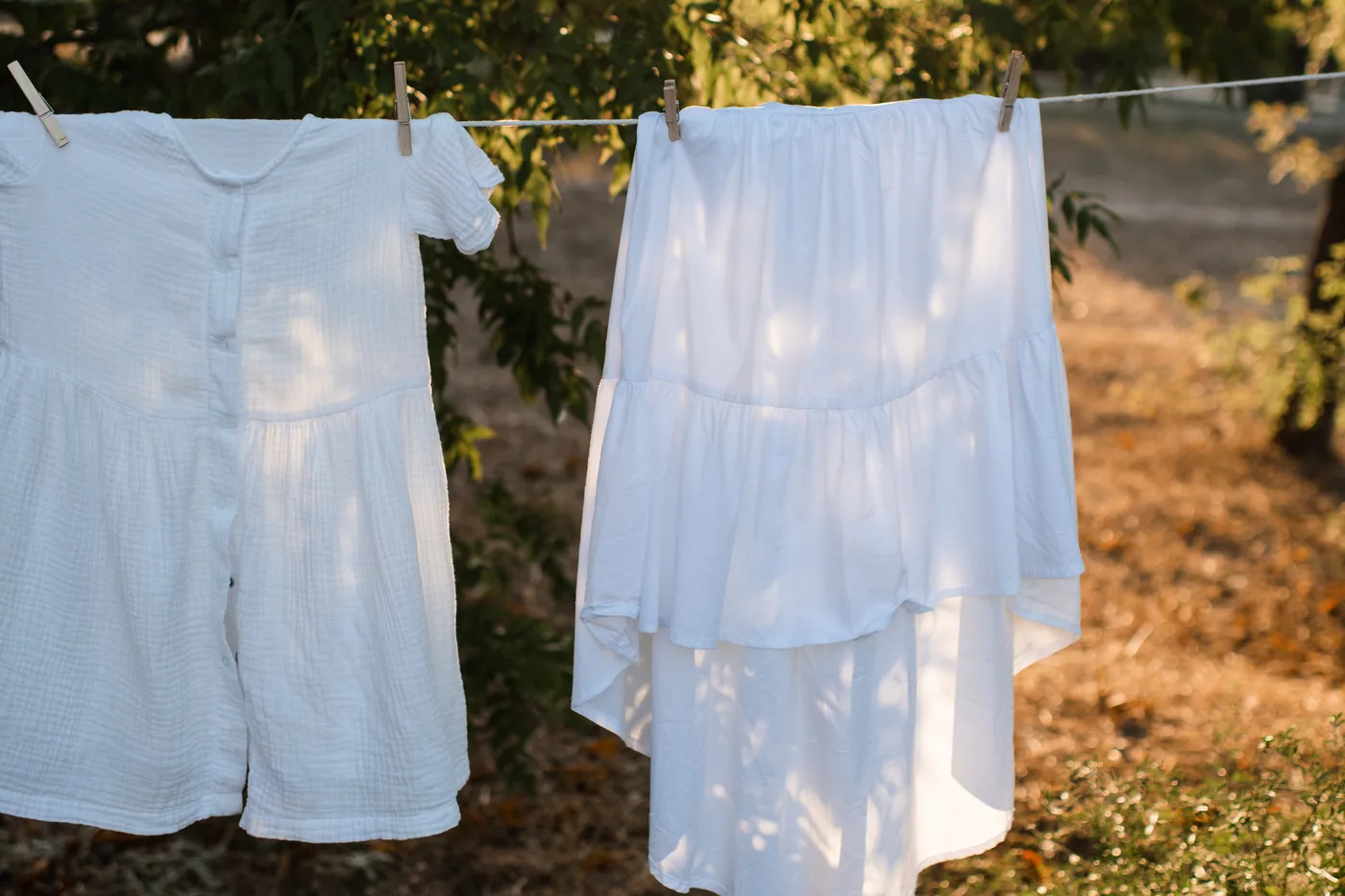
The week is going suspiciously well. The test came back clear, the invoice got paid, the person you worried about sounds like themselves again. And instead of enjoying any of it, you are standing in the middle of your own good fortune like a deer in an open field, ears up, certain that something is coming. You have a name for this already. You are waiting for the other shoe to drop.
Where the shoe comes from
The old image behind the phrase is a rooming house with thin floors. The tenant upstairs comes home late, sits on the bed, and drops one boot. Everyone below is now awake, not because of the noise that happened, but because of the noise that has not happened yet. The second boot owns the room. The first was just a sound; the one still in the air is the one nobody can sleep through.
That is a remarkably precise picture of how dread works. It is rarely the event itself that wears people down. It is the suspended interval, the ears-up waiting, the attention that cannot come back inside until the world finishes its sentence. A person can spend a whole good season in that interval. Many do.
What the bracing is actually for
If you have just come through a long hard stretch, a diagnosis in the family, a year of money fear, a season where the phone genuinely did bring bad news more than once, the waiting is not a character flaw. It is learning. Your nervous system did what nervous systems do: it noticed that the blows were real, that they arrived without appointment, and that you survived them partly by being ready. Vigilance got rewarded. Every time you braced and the hit came, the bracing looked like wisdom. Every time you braced and the hit did not come, the bracing looked like the reason it did not.
That second half is the trap. Scanning for trouble is a behavior that can never lose, because its successes are invisible. The quiet day offers no proof that the watching was unnecessary, only relief that it seemed to work. So the habit tightens even as the hard season ends, and you arrive at the strange place many people find themselves: the trouble is over, and the body has not been told.
This is why calm can feel genuinely unsafe. To a system trained by a rough year, relaxation reads as being caught in the open. The good week is not experienced as rest. It is experienced as exposure.
The superstition that guards the door
There is usually a second layer on top of the learning, and it is older than any of us: the feeling that enjoying the good thing out loud will summon its opposite. You hesitate to say the word remission. You do not tell anyone about the offer until the papers are signed. You knock the wood without quite believing in the wood.
Underneath the joke is an attempt at control. If my enjoyment can cause the loss, then my restraint can prevent it, and suddenly there is something to do with all this helplessness. The arithmetic is wrong, but the comfort is real, which is why the habit survives. It is worth saying the quiet part plainly: your happiness has no lever on the outcome. The scan result does not know whether you celebrated. Holding your breath for six months purchases nothing except six months of held breath.
What the waiting costs
The cruelty of the braced life is that it spends the good days rehearsing the bad ones, so that in a sense neither ever gets lived. The vacation happens, technically, while you run disaster drills behind your eyes. The child's recital happens while you check your phone for the thing you are sure is incoming. If the dreaded event arrives, you will discover that the rehearsals helped less than promised; being miserable in advance turns out not to be a down payment. And if it never arrives, no one refunds the afternoons.
People who live this way often describe a peculiar envy of their own past selves, the ones inside the photos, who appear to have been present at events the rememberer only supervised.
Letting a quiet day be quiet
You cannot argue a nervous system out of a lesson it learned honestly. But you can retrain it, the same way it was trained: through repetition, in the body, with evidence. A few practices do most of the work.
Name the bracing when you catch it, in those words. This is leftover bracing, not information. The distinction matters because dread impersonates intuition. A feeling of doom carries no data about the future; it carries data about the past, about what the last year taught you to expect. Saying so, even silently, moves the sensation from prophecy to weather.
Ask the evidence question. Is there a signal here, an actual email, symptom, sentence someone said, or is there only silence that I am treating as a signal? Silence is not the sound of a shoe being held above the floor. Most of the time it is the sound of nothing happening, which is what most of life sounds like.
Give the worry an appointment. Ambient dread is exhausting precisely because it is ambient, smeared across every hour at low concentration. It responds surprisingly well to scheduling: ten minutes, in the evening, with a pen, in which you are permitted to take every catastrophe seriously and write down what you would actually do. Worry with a container tends to shrink to fit it. Worry without one expands to fill the day.
And let the good moment land somewhere in the body. Once a day, name one thing that is currently fine, out loud if you can stand it, and stay with it for a slow breath instead of sliding off toward the next threat. This feels trivial and slightly embarrassing. It is also exactly the shape of the evidence the system needs: a moment of ease, noticed, that was not followed by punishment. Enough of those, and the ears come down a little.
When the bracing runs deeper
Be honest with yourself about scale. If the hard season involved real trauma, if the vigilance is years old, if calm does not just feel strange but intolerable, that is not a job for a magazine essay, and working with a good therapist is not an admission of anything except seriousness. Bodies that learned fear in deep water deserve more than tips. Nothing here is a substitute for that kind of care.
The second boot
Here is the ending the rooming-house story usually leaves out. The tenant upstairs, having dropped one boot and being human, eventually remembers the neighbors, sets the second boot down gently, and goes to sleep. The listener below waits, and waits, and the crash never comes, because there was never going to be a crash. There was just a tired person getting into bed.
Some nights the quiet after the first shoe is not suspense. It is the rest of the night, offered to you, unbooked. The season you survived really did end. At some point, with practice, with patience for a body that was only trying to protect you, you get to take your shoes off too.


Loading comments…