
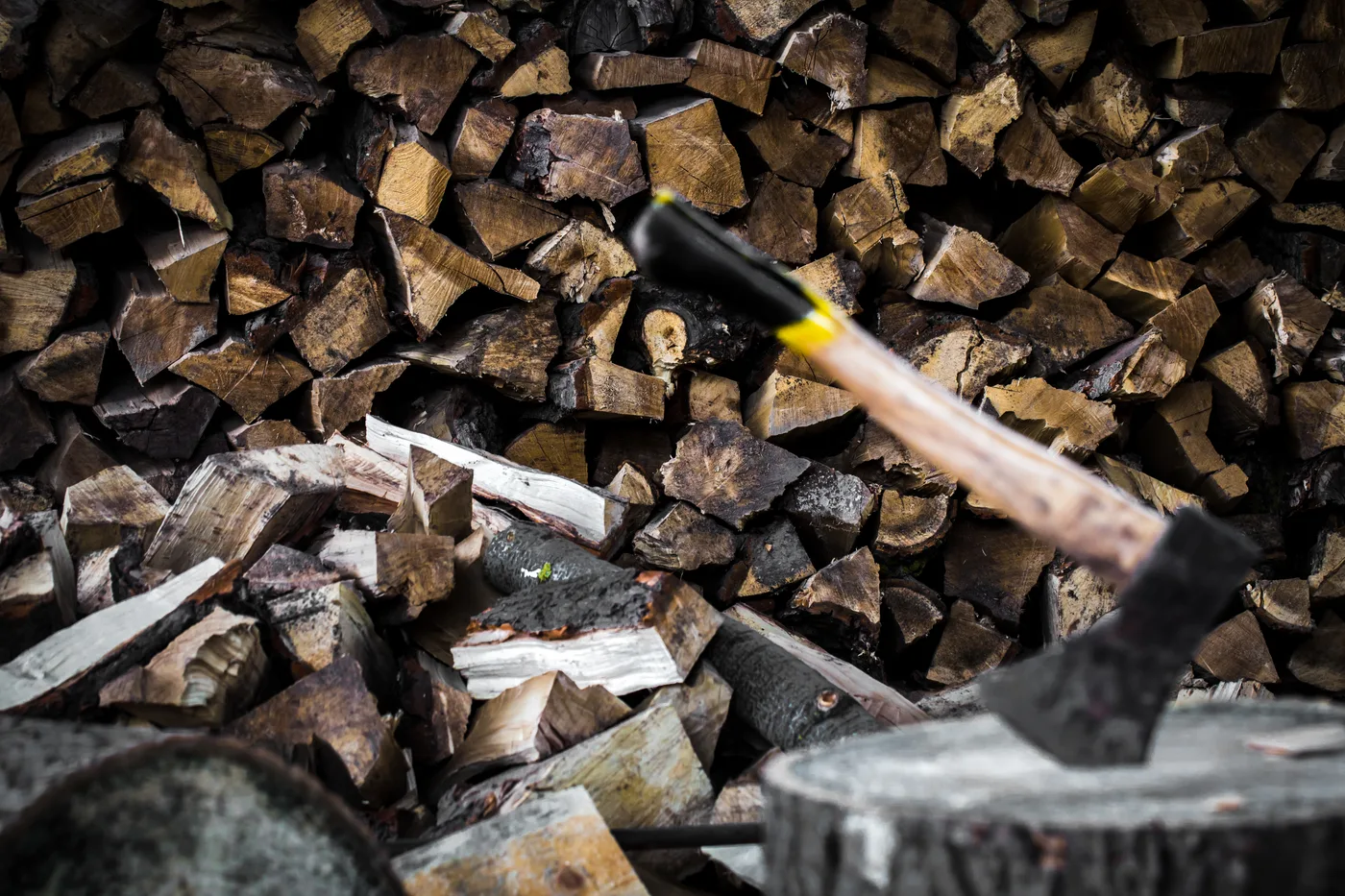
The week after the funeral, he rebuilt the back steps. They had been sagging for two years and nobody had mentioned them. He did not mention them either. He measured, bought the lumber, pulled the old treads, and spent four evenings out there with a work light until the job was done. When his sister asked how he was holding up, he said he was fine and talked about the stringers. She went home worried that he had not grieved at all. He had been grieving the entire time. He was just doing it with a circular saw.
Two ways through the same loss
Most of what people are told about grief assumes one style of it. You are supposed to feel it, talk about it, cry, share memories, let it out. For a great many people that is exactly what helps, and nothing here argues against it.
But grief researchers Terry Martin and Kenneth Doka spent years describing a second pattern that the standard advice tends to miss. They called the familiar one intuitive grieving: the loss is experienced mostly as waves of feeling, and relief comes through expressing them. The other they called instrumental grieving. Here the loss is experienced as much in thought and restlessness as in tears, and relief comes through doing something. Fixing, building, organizing, physical work, solving the problems the death left behind.
Their point was not that one style is healthy and the other is avoidance. It was that both are real ways of carrying a loss, and that most people sit somewhere along a range between them. Many men lean toward the instrumental end, though plenty of women do too, and plenty of men do not. The style is not a gender rule. It is a temperament.
Why the hands help
Another well-known model of bereavement, from the Dutch researchers Margaret Stroebe and Henk Schut, describes healthy grieving as a back-and-forth. Part of the time you turn toward the loss itself: the memories, the ache, the empty chair. Part of the time you turn toward rebuilding a life that has changed: the paperwork, the new routines, the jobs the other person used to do. Coping well, in their view, means moving between the two rather than living entirely in either.
Seen that way, the man on the back steps is not dodging anything. Work with the hands gives grief somewhere to go. It occupies the body enough that the mind can come at the loss sideways, in pieces it can manage. A long afternoon splitting wood or stripping a dresser is often when the clearest memories arrive, uninvited, between one task and the next. The work holds the door open without forcing anyone through it.
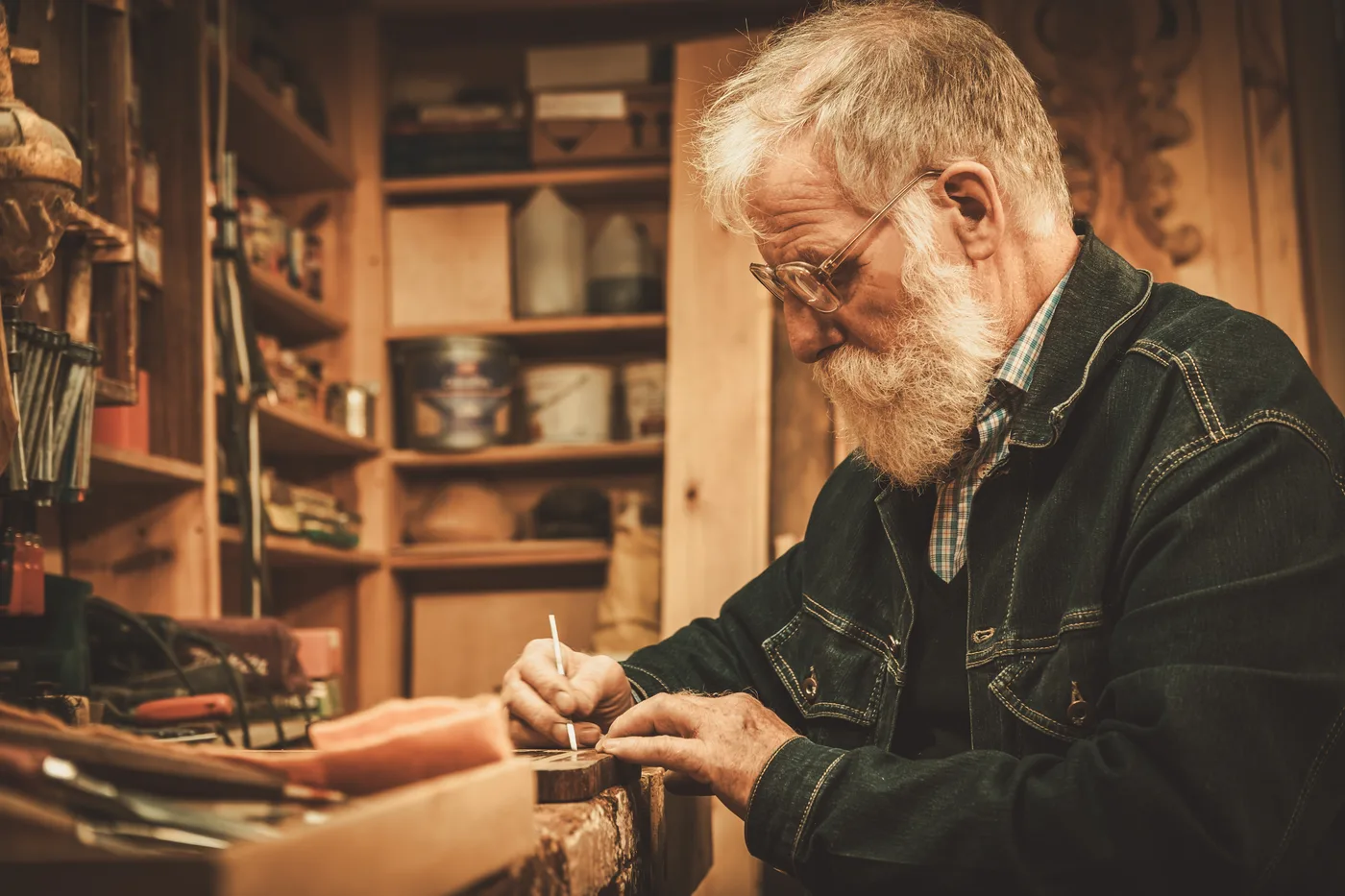
There is also something in making a thing that lasts. Grief is the experience of something permanent being taken away. A repaired gate, a planted tree or a bookshelf built from a father's old workbench puts one small permanent thing back into the world. For an instrumental griever, that can be the closest thing to a eulogy that feels true.
When doing turns into hiding
The honest version of this has a limit, and it is worth naming. Activity can carry grief, and it can also bury it. The difference is usually visible from the outside before it is visible from the inside.
Doing tends to be carrying when it has some connection to the person or the loss, when it has an end point, and when it leaves room for the feelings to surface now and then. Doing tends to be hiding when it is constant and frantic, when every quiet moment gets filled, when the drinking climbs alongside it, or when months pass and the loss has never once been spoken aloud to anyone.
A useful private test is whether you can stop. If you can set down the tools on a Sunday afternoon, sit on the new steps for a while and let whatever comes come, the work is doing its job. If stopping feels impossible, the work may have become a wall. Grief that cannot find any way out at all can show up later as anger, sleeplessness, or a flatness that does not lift. If that sounds familiar, a conversation with a doctor, a counselor or a bereavement group is a sensible step, and this piece is not a substitute for that kind of help.
Choosing the project on purpose
If you recognize yourself in this, you do not have to wait for grief to grab whatever task is nearest. You can pick the work deliberately, and it tends to help more when you do.
Tie it to the person. Finish the project they left half done. Restore something that belonged to them. Plant what they used to grow. Build the birdhouse for the yard they loved. The connection lets the work be about them without anyone having to say so.
Give it a shape. Choose something with a clear finish, measured in weeks rather than years. An open-ended project can turn into the endless kind of busy. A finished one lets you stand back and mark it.
Leave a little room for company. Instrumental grievers often talk most easily side by side, while working. Ask a brother, a friend or a grown son to help carry the lumber. You may find that the conversation you could not have across a table happens easily over a sawhorse.
Let it end with a word or two. When the project is done, say what it was for, even briefly, even to one person. This was his. I wanted it finished. That small sentence does what the work alone cannot: it connects the doing back to the loss, out loud.
For the people watching
If someone you love is grieving this way, the kindest thing may be to stop measuring him against a style that is not his. Asking him to open up, again, can feel like being told he is doing it wrong. Try offering to help with the work instead. Bring coffee out to the garage. Hand him the level. Stay a while without making the visit about feelings.
Watch for the warning signs, and say something if they show up. But do not mistake quiet for absence. A man who rebuilds the steps his father used to sit on is not avoiding his grief. He is spending it, carefully, on something that will hold weight.
Grief has to go somewhere. For some people it goes into words. For others it goes into a stack of split wood, a rebuilt fence, a dresser sanded back to bare oak. Both are love, finding a way to keep working after the person is gone.


Loading comments…