
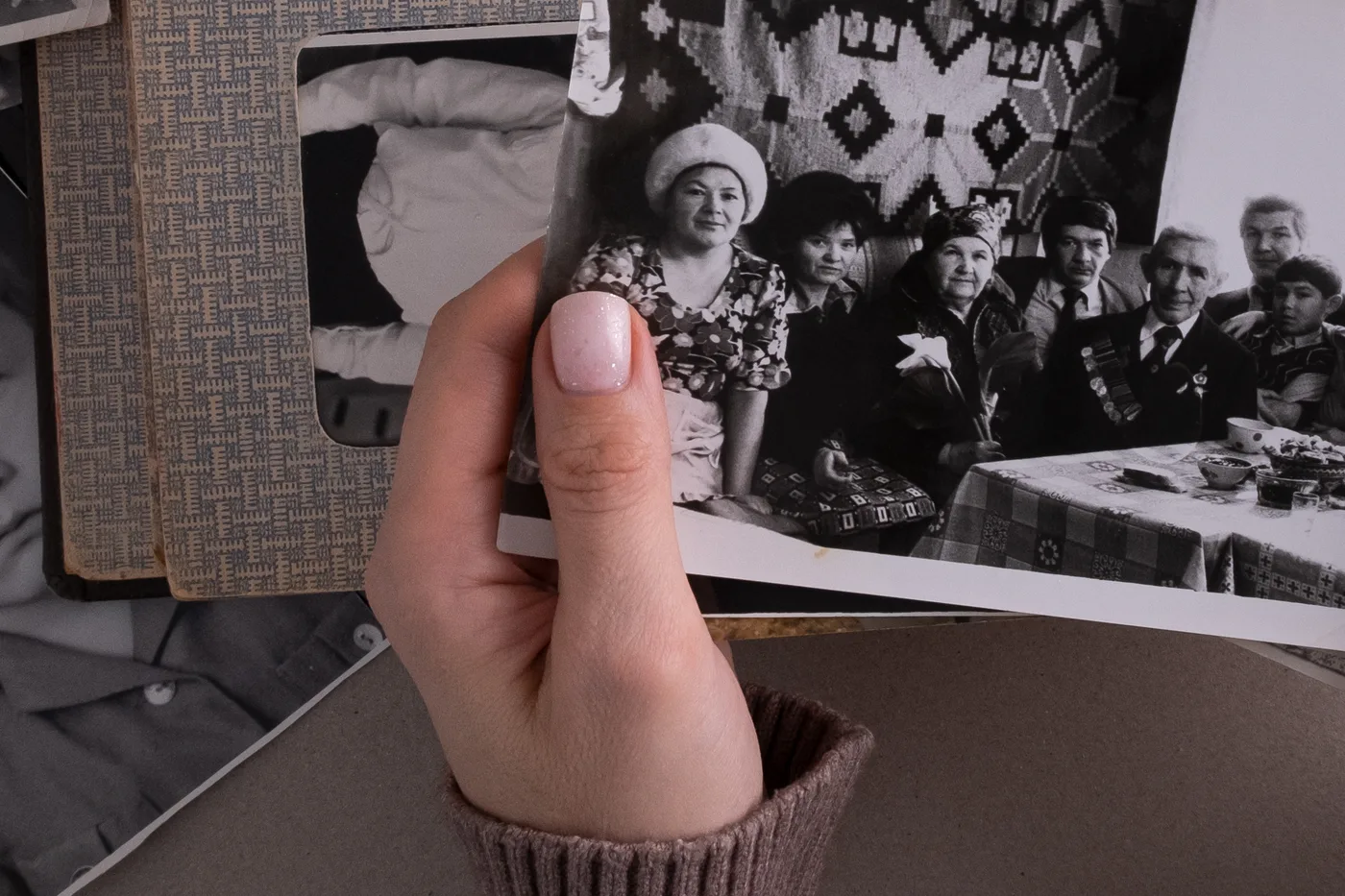
It needs almost nothing to start. A song that was everywhere the summer you were seventeen. The smell of suntan lotion and hot vinyl. A shoebox of photographs, opened to find one thing and surrendering an hour instead. And then the feeling itself: sweet and aching at once, a homesickness with no address, a missing of something that is not exactly a place and not exactly a person but a whole gone world where you once lived. English borrowed a word for it from Greek, and the word means, literally, the pain of the return home. For two centuries we treated that pain as a problem. It turns out to be closer to a vitamin.
The illness that wasn't
Nostalgia began its career as a diagnosis. A Swiss physician coined the term in the late 1600s for a condition he observed in soldiers serving far from their mountain villages: a wasting sadness, a longing for home so severe it seemed to make men ill. For generations afterward the word kept its clinical shadow. Even after it stopped being a disease it remained a suspect, filed under sentimentality and escapism, the habit of people who could not face the present. To call something nostalgic was, and often still is, a way of calling it soft.
Then, in the last few decades, researchers actually studied the feeling, and the picture inverted. Ask people to describe a nostalgic memory and a consistent shape appears: the memories are overwhelmingly social, peopled with family and old friends; they tend to follow a redemptive arc, in which even difficult passages resolve toward warmth; and the self is almost always there at the center, younger, surrounded, belonging. And the aftereffects, measured again and again, run opposite to the old suspicion. After a spell of nostalgia people report feeling more connected to others, more sure that their lives have meaning, more continuous with their own past selves, and, curiously, more optimistic about the future. The backward glance, it turns out, steadies the forward one.
What the ache is doing
The most interesting finding is not what nostalgia does but when it arrives. It is not evenly distributed across a life. It comes when it is needed. Loneliness summons it. So do cold rooms, dark seasons, transitions, and the ordinary erosions of middle life; the feeling spikes in the newly relocated, the recently bereaved, the freshly retired. This is the pattern of a repair system, not a malfunction: the psyche, finding the present thin in some particular nutrient, goes to the pantry of the past and brings out proof that you have been loved, that you have belonged, that your life has been one story rather than a series of unrelated rooms. The ache in the feeling is real, but it is the ache of a muscle doing work.
Which explains the seasons of it. The song from the summer you were seventeen does its strange work partly because the years between roughly ten and twenty-five get written into memory with a depth nothing afterward quite receives: first tastes of nearly everything land hardest, which is why every generation is privately convinced that music peaked in its own adolescence. The reminiscences cluster there because the self was being assembled there, and revisiting them is a way of touching the foundation.
The two ways of looking back
None of this makes nostalgia harmless in every dose, and the difference is worth being honest about. A scholar of the subject once drew a distinction, which has held up, between two postures toward the past: one that longs to actually restore it, to rebuild the lost world and move back in, and one that visits it knowingly, tenderly, the way you visit a childhood house now owned by strangers, without ringing the bell. The first posture curdles. It measures the present against an edited past and finds the present guilty; it is the engine of a certain bitterness in people and, at scale, in whole eras. The second posture is the one the research keeps finding benefits in: the visit that knows it is a visit.
The editing is the thing to stay awake to. Memory is not an archive but a storyteller, and its instinct is to compress, warm, and resolve. The summer you ache for contained boredom, sunburn and a fight with your mother that lasted three days; the highlight reel omits them, then invites you to compare that reel against today's unedited footage, mosquito bites and all. Run that comparison naively and the past will win every time, and the present, which is the only place anything can still happen, loses. The corrective is not to stop looking back. It is to remember, mid-glance, that today is currently filming, and that twenty years from now this ordinary evening, the kitchen noise, these particular people, will be the footage.
Using it on purpose
Because here is the practical turn: nostalgia does not have to be weather. It can be a practice, deliberately kept, and the people who keep one tend to reach for it in exactly the seasons it was built for.
Keep the triggers where you can reach them. A playlist of the songs that carry your years, not the ones you admire, the ones that transport. The shoebox, or its digital equivalent, culled once so that opening it rewards you. The recipe in a grandmother's handwriting, cooked on her birthday. These are not clutter. They are a medicine cabinet, and knowing where it is matters most in the exact months when you would not think to look.
Take the dose socially when you can. Nostalgia shared is nostalgia doubled: the old friend on the phone with whom you can say remember the night, the sibling who holds the other half of the childhood, the long marriage retelling its own founding stories at the anniversary table. Families that tell their stories aloud are doing serious work under cover of dinner; children who grow up inside a told family story tend to carry a sturdier sense of who they are.
Let it point forward once in a while. Sit with the question of what, precisely, the ache is for. Rarely is it the year itself; it is usually some ingredient of the year, the unscheduled hours, the physical daring, the friends within walking distance, the singing. Ingredients can be restocked in present-tense form. The woman who realizes her nostalgia keeps returning to the choir she sang in at nineteen is being told something actionable about this coming autumn, and it is not that she should be nineteen.
And when the feeling arrives uninvited, on the August evening when the light slants a certain way and the crickets sound exactly like every August you have ever lived, let it in without suspicion. It is not weakness and it is not the past refusing to release you. It is the oldest kind of proof you own, arriving precisely on schedule, that your life has been inhabited, and loved, and continuous, and that the person standing in the kitchen tonight is still the one who stood in all those other kitchens. The visit ends, as visits do. You do not get to stay. But you get to go back to the present carrying the evidence, and the evidence is the point.

Loading comments…