

The first evening of a long visit is almost always lovely. Everyone arrives a little shiny, the food is good, the stories come out in the right order, and somebody says how nice it is to have the whole house full again. Then comes the second morning, when the bathroom has a line and the coffee runs out. By the third day you may find yourself standing in a hallway you grew up in, holding a dish towel, feeling about fifteen years old and wondering why you came.
Why the third day is the hard one
Nothing is wrong with you, and probably nothing is wrong with them. A stay of several days asks something of people that a dinner never does. At a dinner, everyone is a guest at an event. Over several days, everyone becomes a resident of a shared house, with all the small negotiations that a shared house involves: who showers when, how loud the television goes, whether the dishwasher is loaded the right way, who decides what is for lunch.
Each of those questions is tiny. Together, unspoken, they add up. Everyone is being slightly accommodating all day long, and accommodation is quietly tiring. By the third day the reserves are thin, and the old family roles, the peacemaker, the one who gets teased, the one who does all the cooking, slide back into place because they are the path of least effort.
Most of what goes wrong on a long visit is not a real conflict. It is fatigue wearing a costume. Seeing it that way changes what you do about it.
Decide the length before you pack
The single most useful thing you can do happens before you arrive. Choose how long you are staying, say it out loud, and keep to it. A visit with a known end is easier for everyone, because both sides can pace themselves. An open-ended stay leaves the host quietly wondering, and leaves the guest quietly guilty.
If you are not sure how long is right, err shorter. Two good days are a gift. Five strained ones are a memory everyone tiptoes around next year. You can always come back sooner.
Build in time apart
People who love each other still need hours when they are not being looked at. In your own home you get those hours without thinking about it: a shower, a drive to the store, ten minutes in the yard. On a visit they disappear, because leaving the room can feel rude.
So make the time apart official, and make it ordinary. Take a walk every morning, alone or with one person. Offer to do the grocery run. Read for an hour in the afternoon and say plainly that you are going to. When everyone knows that a little solitude is part of the plan, nobody takes it personally. Hosts need this as much as guests do, so if you are the one with the full house, give yourself permission to disappear for a while too.
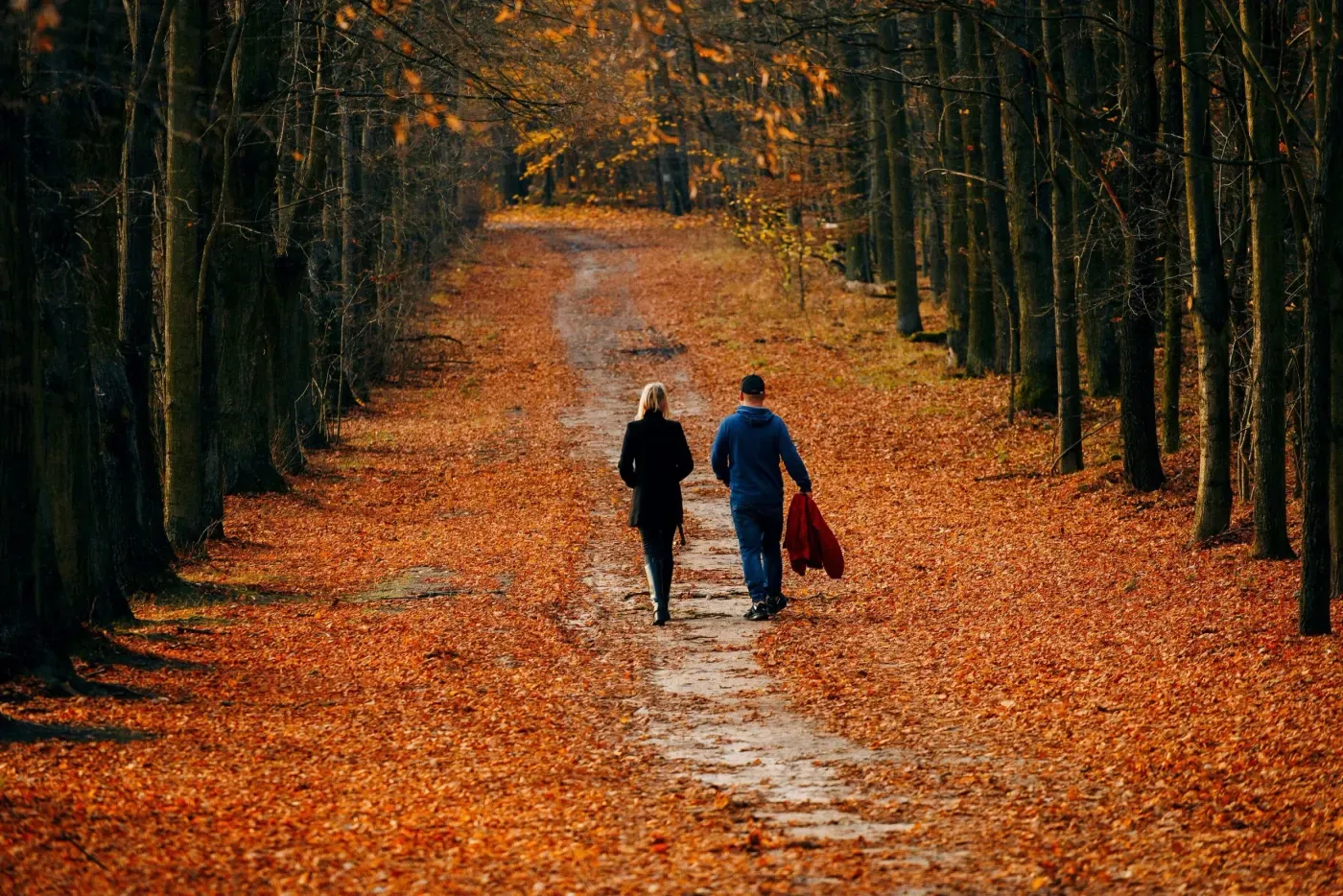
It also helps to get everyone out of the house together at least once a day. A walk, a drive to the water, a trip to look at the lights. A change of scene loosens a room. Conversations that stall at the kitchen table often move easily side by side on a sidewalk.
Give the guest a job
Being waited on for days is its own kind of discomfort. Most guests would rather be useful, but they do not know where the colander lives or whether it is overstepping to wipe the counter. If you are hosting, hand out real jobs: you are in charge of breakfast tomorrow, could you walk the dog, would you set the table. If you are visiting, ask once, specifically, and then do it without fuss.
Shared work turns visitors into a household for a while, which is a better feeling than being permanent company. Some of the best conversations of any family gathering happen over a sink.
Notice the old roles, and step out of one
Families have scripts, and a few days under one roof will bring them back. You may hear yourself using a tone you have not used since high school, or find that everyone still expects you to fix the printer, mediate between two siblings, or keep the peace with a joke.
You do not have to tear up the script. Just notice it, and choose one small moment to play it differently. Let someone else carry a conversation you would usually rescue. Ask your father a question about his life instead of waiting for him to ask about yours. Skip the old argument when you can feel it coming, and change the subject to something you are actually curious about.
One small change is often enough to shift a whole visit. People respond to a different note even when they cannot say why.
Lower the bar on every meal
Hosts often treat each meal of a long visit like the first one, and wear themselves out by the second day. Guests often feel they have to finish everything and praise every dish. Both can relax. Leftovers are a perfectly good lunch. Sandwiches on paper plates are a perfectly good dinner on the third night. Nobody remembers the menu. They remember whether the host seemed glad to see them.
Keep a little of your own rhythm
If you have a morning routine at home, a stretch, a few minutes of quiet, a particular way you start the day, bring a small version of it with you. It will not look the same in someone else's house, and it does not need to. Even five minutes of something familiar can keep you anchored in your adult self when everything around you is pulling you back toward an older one.
The same goes for sleep. A visit is not the time to stay up until two every night because everyone is still talking. Excuse yourself at a reasonable hour. You will be kinder the next day.
Leave well
The end of a visit shapes the memory of it more than the middle. Strip the bed if you were a guest, or ask what the host would like done with the sheets. Say a specific thank-you, naming something real: the walk on the second morning, the soup, the conversation on the porch. Hosts can do the same in return, because a guest who traveled to be there gave something too.
Then let the last moment be warm, even if the middle was bumpy. A good goodbye at the door covers a multitude of small frictions.
What a long visit is for
It is easy to measure a visit by whether everyone got along every minute. That is not the point. The point of staying over, rather than coming for dinner, is that you get to see each other in the unguarded hours: half awake at the coffee pot, quiet in the car, tired and honest at the end of the day. That is where the real catching up happens, and it only happens when people stay long enough to stop performing.
So the next time you pack a bag for a few days in someone else's house, or make up the spare bed for someone coming to yours, plan for the third day before it arrives. Set the length. Build in the walks. Hand out the jobs. Keep a little of your own rhythm. Then let the table fill up with dishes, and let it look like what it is: proof that a lot of people were fed in one place, together, for a while.


Loading comments…