
There is a kind of tiredness that sleep does not touch. You go to bed at a reasonable hour, you wake at a reasonable hour, and something in you still feels like it is running a week behind. You have probably been told to try harder somewhere: a stricter diet, an earlier alarm, a heavier weight. It is worth considering the opposite possibility, which is that the thing you are short of is not effort. It is recovery, and recovery is not something you can push your way into.
Most of what we call healing happens in conditions we have quietly arranged our lives to avoid. It happens when you stop. It happens at the level of the cell, in structures too small to feel, on a timetable that does not care about your calendar. And it responds, it turns out, to light.
A studio built entirely around that idea, Red Light Method, opens in Commack this Friday, August 7. We will get to the room itself, and to the man who built it, at the end. What is worth understanding first is what it is actually offering, because the reasoning behind the order of things is the genuinely interesting part.
Where your energy is actually made
Inside almost every cell in your body sit mitochondria, and their job is to turn what you eat and breathe into the usable currency of energy. When you feel depleted, or when a strain takes six weeks to settle instead of two, you are often feeling something happening at that level rather than at the level of muscle or willpower.
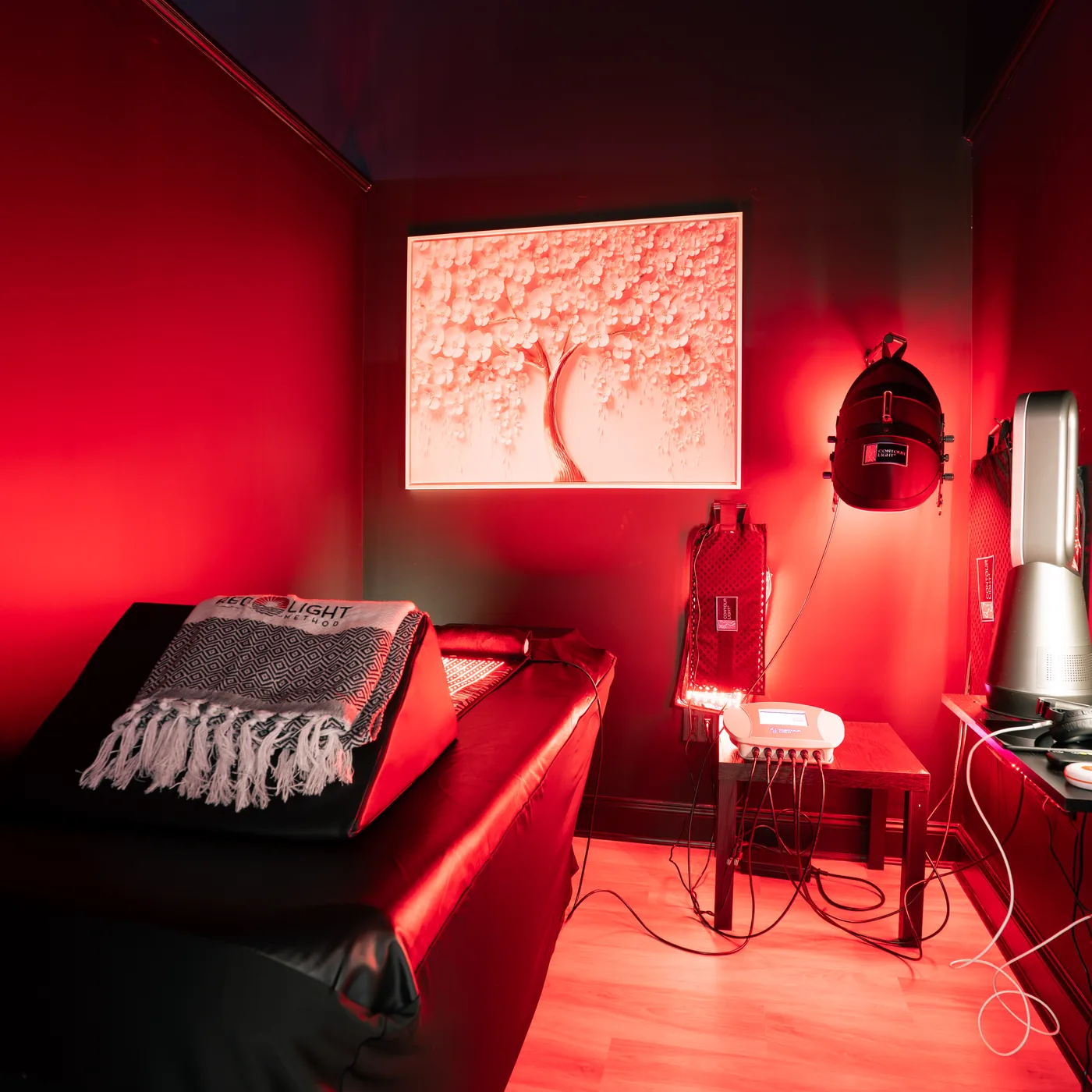
Red and near-infrared light occupy a particular band of the spectrum that passes through skin rather than stopping at it. Reaching tissue, it is absorbed by the mitochondria themselves. The proposition of red light therapy, sometimes called photobiomodulation, is that this absorption nudges those structures back toward working properly: more available energy, better circulation to the area, less of the low-grade inflammation that lingers past its usefulness.
What people tend to report is not dramatic. It is a slow return of things they had stopped expecting. Sleeping through. A knee that stopped announcing the weather. Skin that looks less like it is bracing. Energy that lasts into the evening rather than collapsing at four.
The part where you do nothing
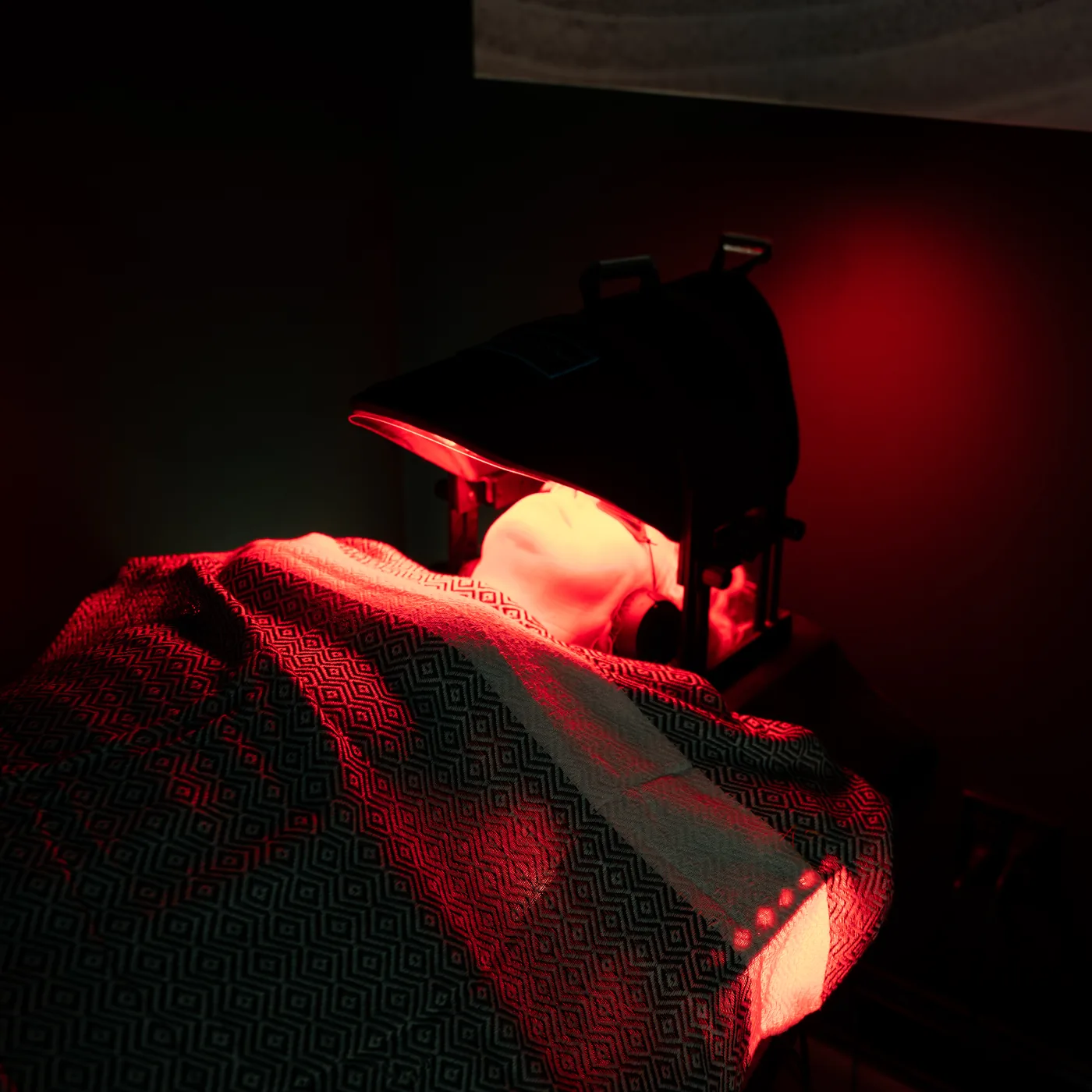
A session begins with twenty-five minutes of lying still.
This is worth sitting with, because it runs against nearly everything the wellness industry sells. There is no exertion. There is no heat to endure, no cold to survive, no count to get through. You change, you lie down under the light, and you are asked to do nothing at all for twenty-five minutes in a quiet red room. For a great many people that is the hardest part of the whole protocol, and it is also the part doing the work.
One practical note that catches people out: come with clean skin. Makeup, lotion and sunscreen all sit on the surface and are one more thing between you and the light. It is a small courtesy to your own session.
Why the order matters
What happens next is the piece most people have not encountered, and it is the reason a studio built around this idea is different from a panel bought online.
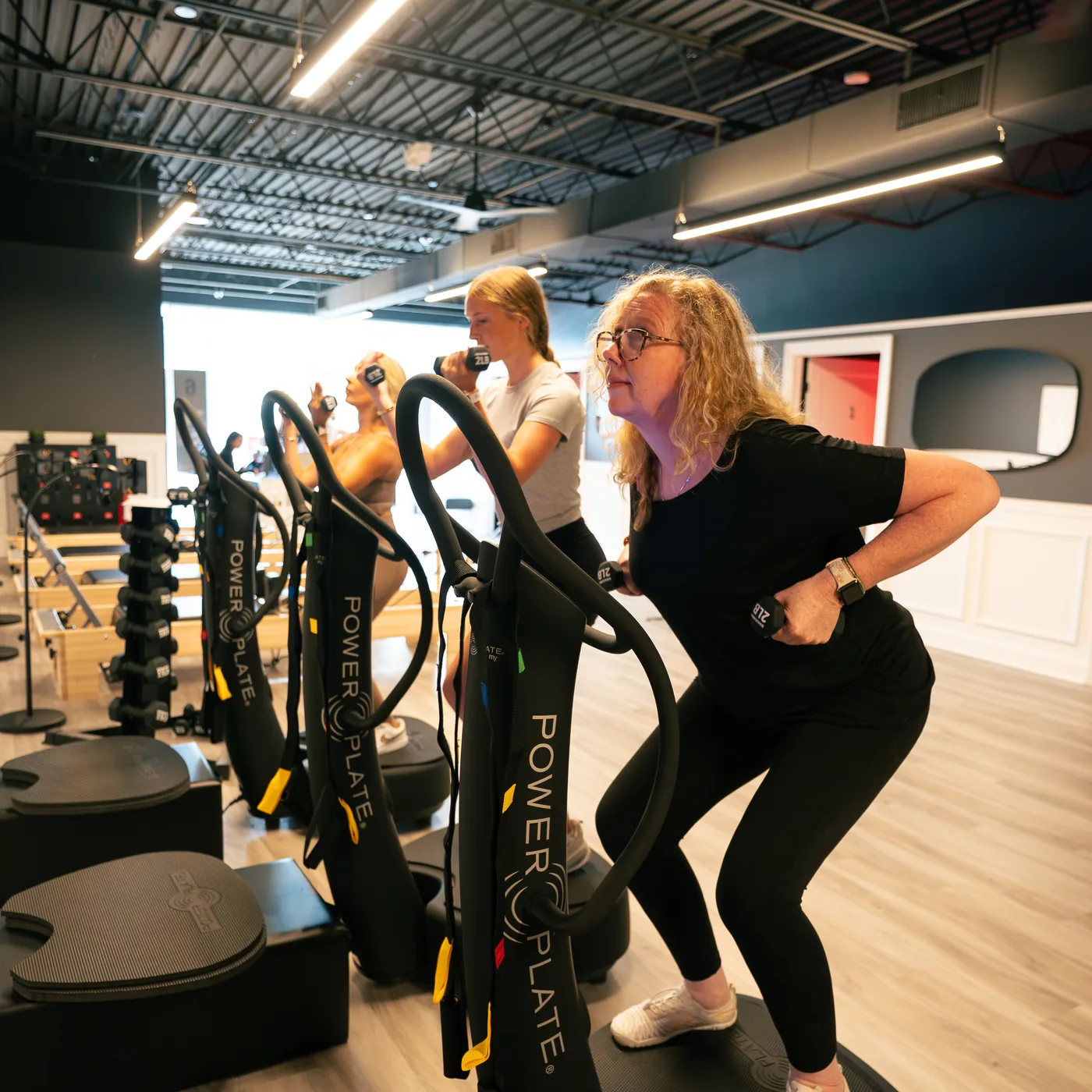
After the light, you spend ten minutes standing on a vibrating platform. Not exercising, particularly. Standing, with your knees soft and your weight forward in your toes, while the plate moves underneath you.
The reason is your lymphatic system. Blood has a pump. Lymph does not. It moves when you move, which is why so much of what stagnates in a sedentary body is lymphatic, and why gentle whole-body movement does more for that system than intensity does. The light does its work at the cellular level; the movement afterward helps carry away what that work loosened. Do the light and go home and you have done half of it.
There is a lesson in that sequencing worth taking well beyond one studio. The body is not a set of independent parts responding to independent treatments. What you do in the ten minutes after something often decides how much of it lands.
Heat that does not shout
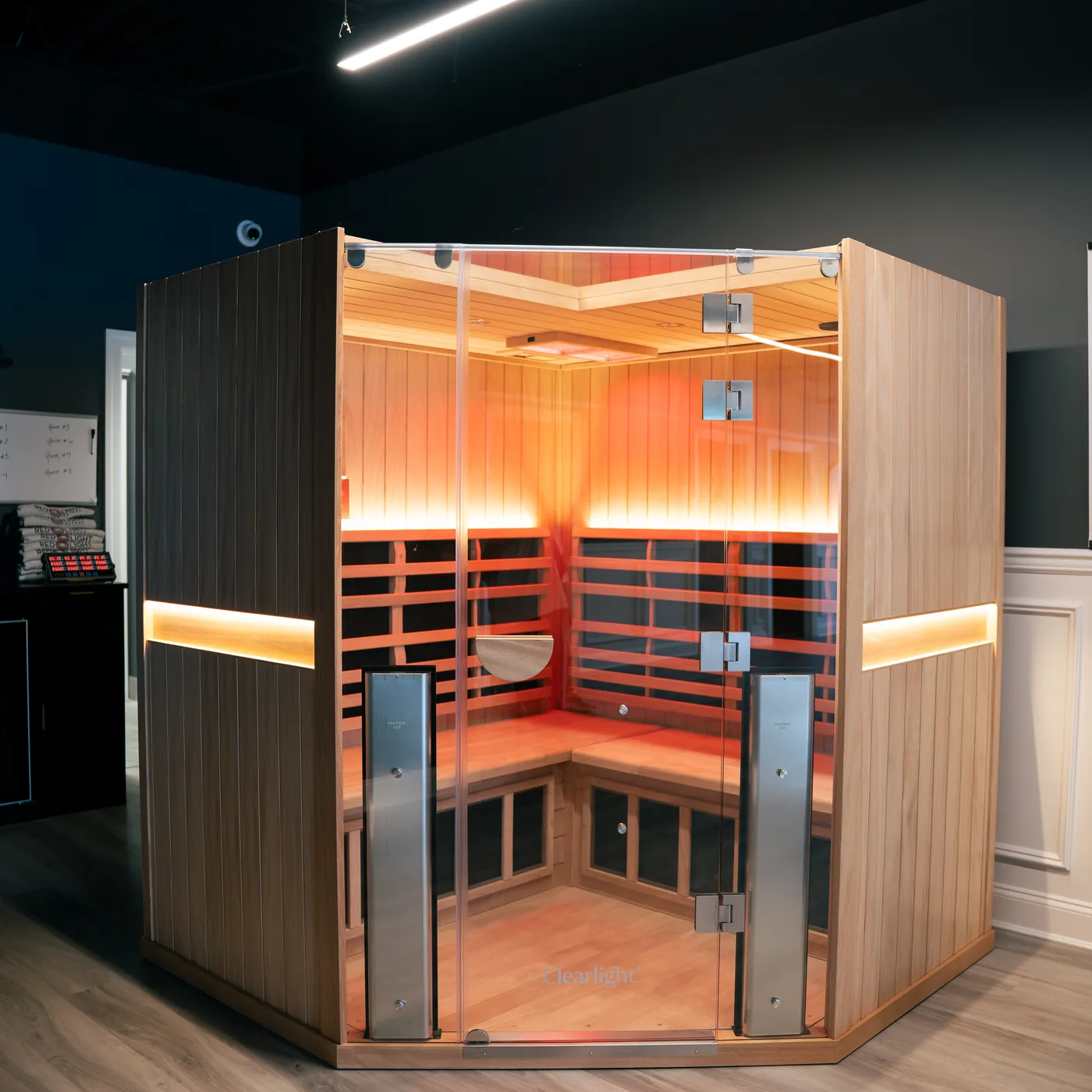
Far infrared sauna belongs to the same quiet family. A traditional sauna superheats the air and lets that air heat you, which is why it can feel like something to be endured. Far infrared warms your body directly at a much more forgiving ambient temperature. If you have always assumed sauna was not for you because you cannot tolerate the heat, this is a genuinely different experience.
Begin at five minutes. Build from there over weeks, not days. Drink water before, during and after, and bring a towel. The instinct to prove something by staying in longer is the instinct to leave at home.
The instrument that tells you the truth
Then there is the question of how you would know any of this is working.
Most people reach for the bathroom scale, which is close to useless for this purpose. It gives you one number that blends muscle, fat, water and last night's dinner into a single verdict, and it delivers that verdict at the exact moment you are least equipped to hear it. Bodies recomposing themselves often hold steady on the scale for weeks while changing considerably underneath.
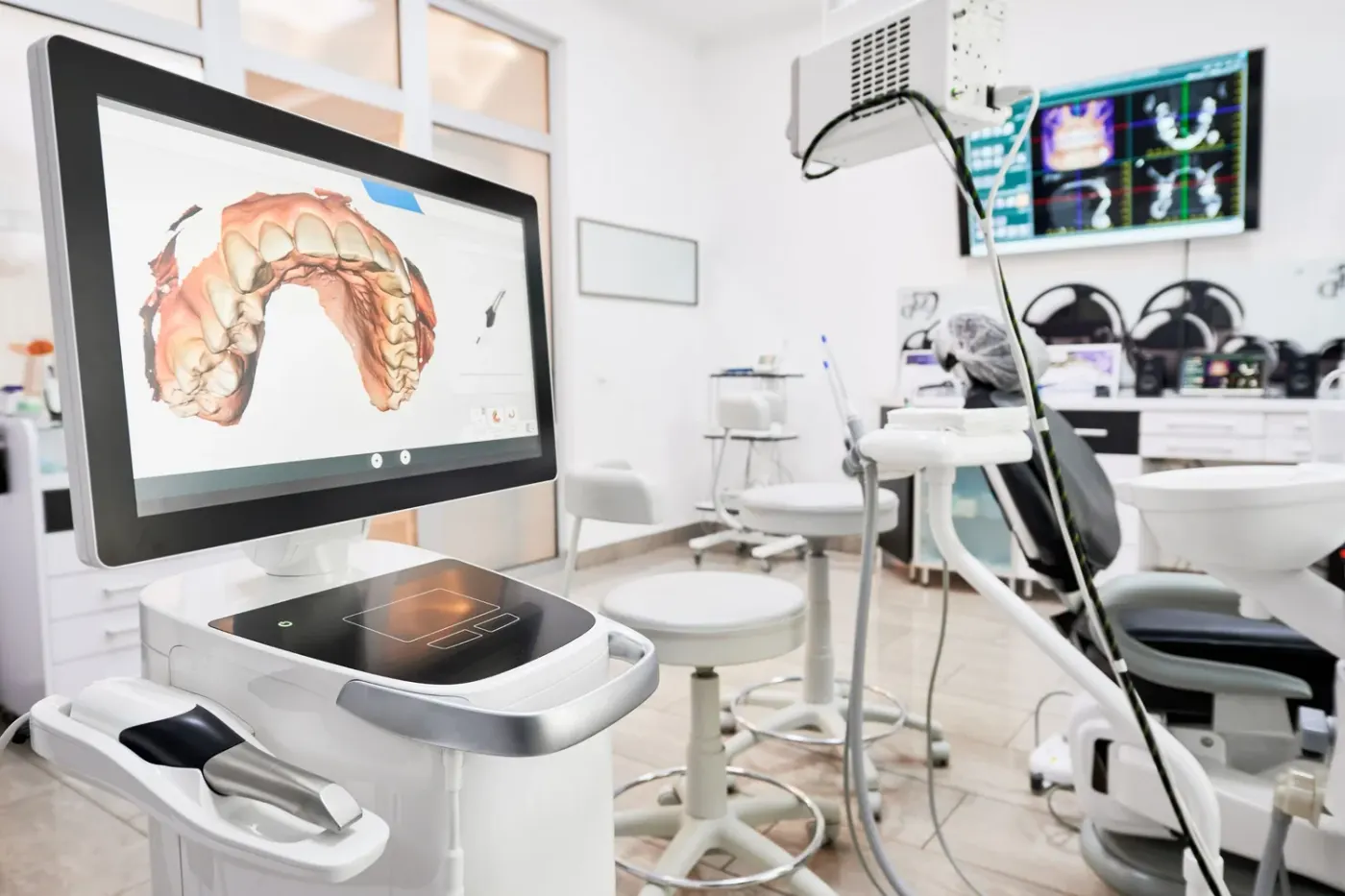
A 3D body scan takes hundreds of measurements and builds a model you can actually look at over time. It is a better instrument, and it changes something psychological as well as practical: you stop needing to believe you are making progress, because you can see the shape of it. Consistency gets much easier when the evidence is visible.
None of it works occasionally
Here is the honest part, and it is the same for every modality named above.
These are not one-visit interventions. Cellular repair compounds, and compounding requires repetition. A single session may leave you pleasantly relaxed; the changes people describe come from showing up two or three times a week for months, in the unremarkable way that anything worthwhile gets built. Which means the practical question is never whether a technology is impressive. It is whether the thing is close enough, and easy enough, that you will still be doing it in November.
It is also worth saying plainly, in a field that does not always say it: this is an area of active and genuinely promising research, and it is also an area with marketing that runs well ahead of the evidence. FDA clearance means a device has been evaluated for safety and for particular intended uses. It is not a promise of a particular result for a particular person. If you are pregnant, managing a health condition, or taking medication that affects light sensitivity, have the conversation with your doctor first. That is not a reason to stay away. It is how to walk in clear-eyed, which is how anyone should approach a decision about their own body.
A room on Jericho Turnpike
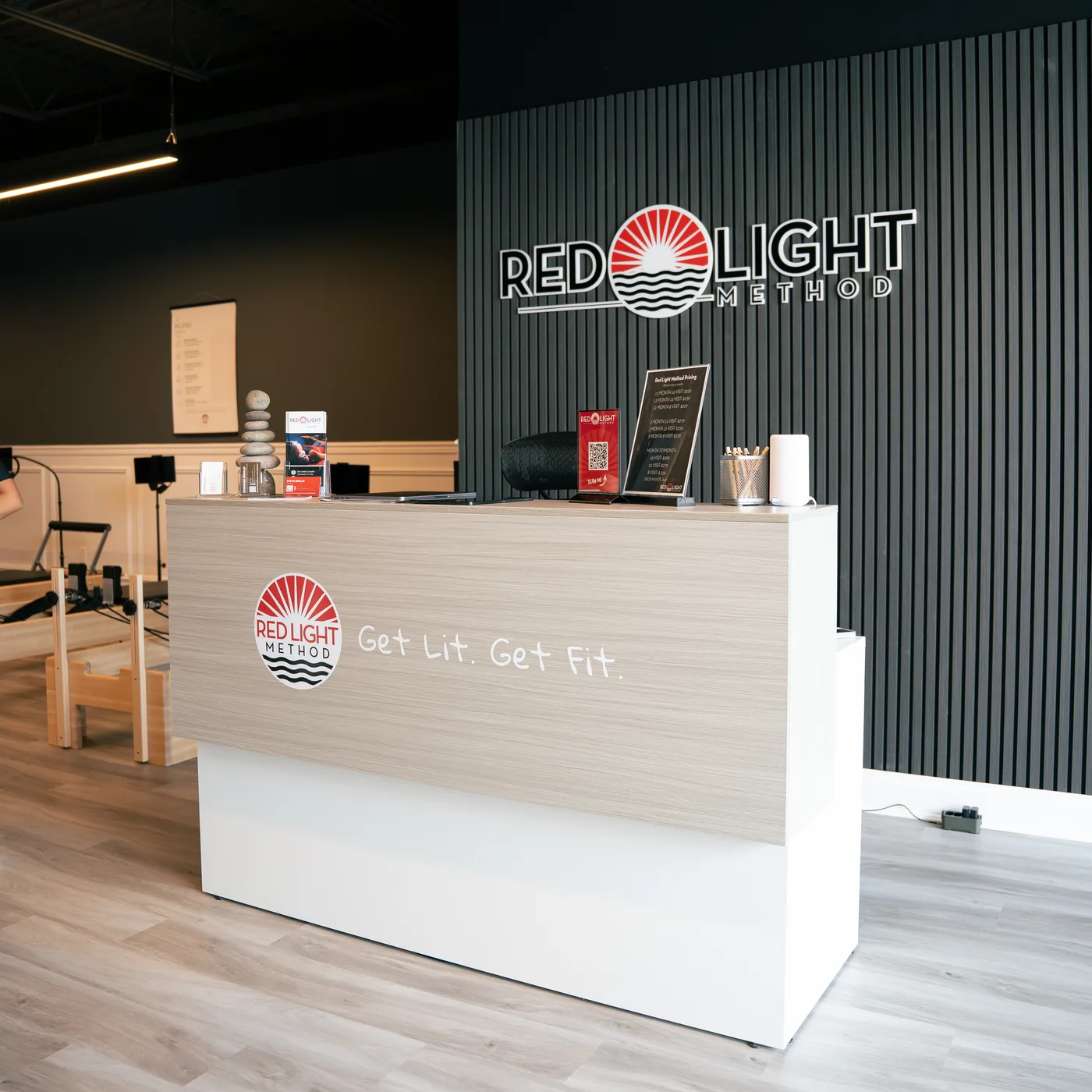
All of which brings us somewhere specific. This Friday, August 7, a studio built around exactly this sequence opens in Commack.
Red Light Method Commack brings the modalities above together under one roof and one membership: medical-grade, FDA-cleared red light therapy, whole-body vibration on Power Plate, guided Pilates reformer classes programmed by Allison Beardsley, who founded Club Pilates, a far infrared sauna included rather than sold separately, and complimentary 3D body scanning. PEMF, pulsed electromagnetic field therapy on a mat, is coming soon rather than available on opening day. When it arrives it will carry real contraindications worth knowing in advance: it is not recommended if you have a pacemaker or if you are pregnant.
The studio is owned and run by Steve Berlin, who is not who you would expect. He spent more than twenty-five years in business leadership and over a decade running two Sky Zone trampoline parks on Long Island, which means he has spent a long time in the business of getting local families through a door and keeping them glad they came.
"The technology in here is genuinely extraordinary, but it will not save us if we get the human part wrong. People do not come back for the equipment. They come back because someone knew their name."
He is straightforward about why he made the change. "I turned fifty and I was tired in a way that sleep was not fixing," he says. "I tried red light therapy at a clinic and it worked, and then I did the math on what it would cost me to keep doing it consistently. The results come from repetition, and nobody repeats something that feels like a splurge every time."
For a practice that depends on frequency, the location is the least glamorous and most important detail. Jericho Turnpike is a road most of Commack, Smithtown, East Northport, Elwood, Dix Hills, Hauppauge and Kings Park are already driving for something else. Something you pass on the way home is something you keep doing.
Beginning
If you want to try it, the studio suggests arriving ten to fifteen minutes early for a first visit, wearing comfortable fitted clothing, and bringing a towel and water. Sessions are booked through their app, and can be changed up to two hours beforehand.
Red Light Method Commack is at 6157 Jericho Turnpike, Commack, NY 11725, and opens Friday, August 7. Hours are Monday and Wednesday 6 a.m. to 7 p.m., Tuesday and Thursday 7 a.m. to 8 p.m., Friday 6 a.m. to 6 p.m., Saturday 8 a.m. to 2 p.m., and Sunday 9 a.m. to 1 p.m. You can reach them at 631-771-1280 or [email protected], and find details at rlmcommack.com.
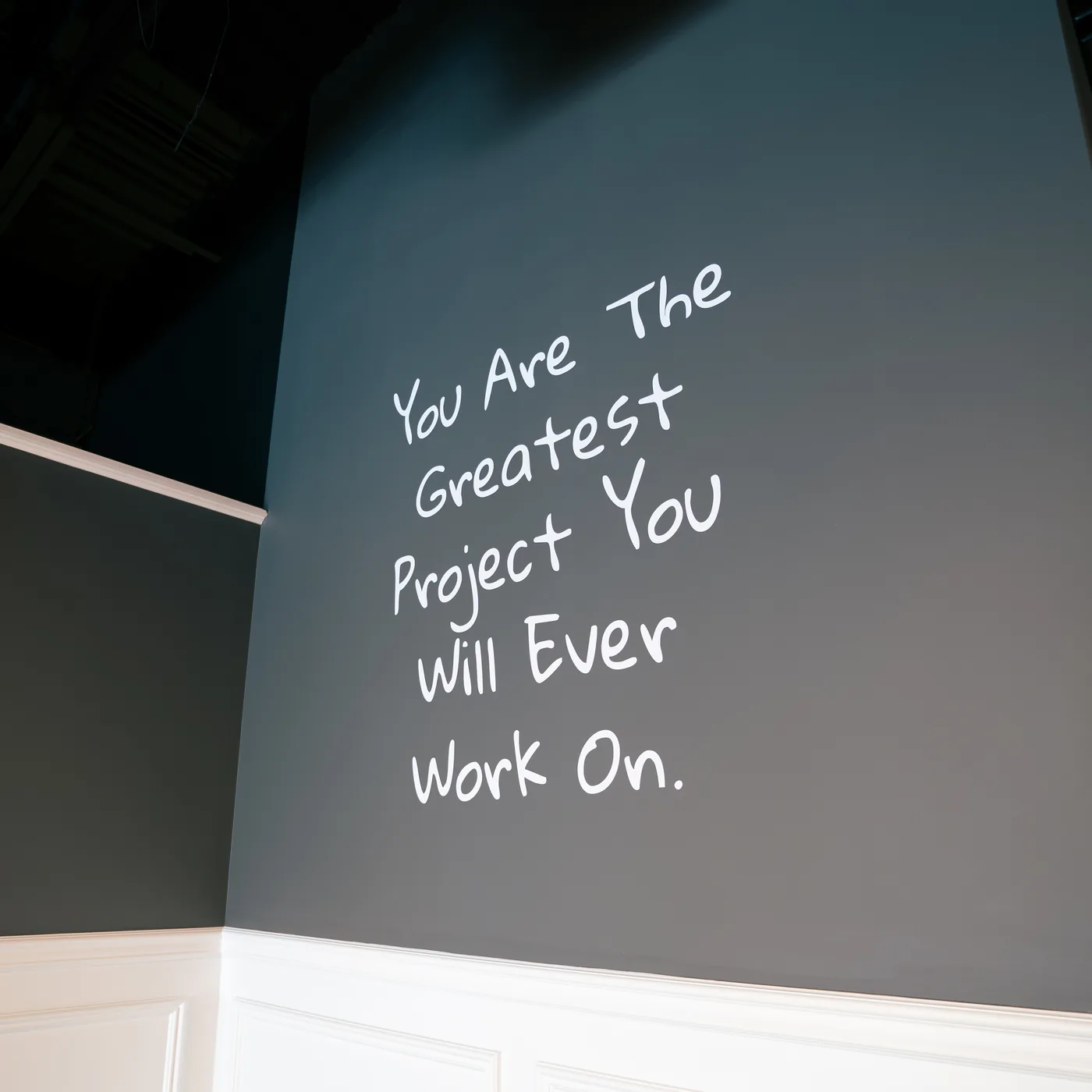
There is a line written on one of the walls in there: you are the greatest project you will ever work on. Take it, if you like, as permission rather than pressure. The work is mostly patience, most of it happens while you are lying still, and the only part that asks anything of you is coming back.

Loading comments…