
The Energetic Impact of Stoicism and My Heartfelt Concern for Men
by Dr. Laura Chan, Nashua, NH
A few weeks ago, a 65-year-old man came to my office seeking acupuncture for blood pressure and ankle pain. It was our sixth visit, and he had only come because his wife made the appointment. This is common as many of my male patients arrive after being nudged by a female loved one.
A scientist, he was skeptical of acupuncture. Concepts like “Qi” and “meridians” felt “out there,” but he was willing to try. After his first visit, he noticed improvements: less stiffness in a knee he hadn’t mentioned and deeper, uninterrupted sleep.
At each visit, I asked about his emotional state. This isn’t small talk—it’s essential. In my work, emotions help explain what’s happening in the meridians and why certain physical symptoms arise.
The Body Keeps the Emotional Score
In Traditional Chinese Medicine (TCM), emotions aren’t held in the brain alone. They live in the body and move through the meridians. Grief, for example, is associated with the lungs. If the body is hardware and the brain is software, the meridians are the firmware connecting the two—the bioelectric system through which emotions flow. When emotions aren’t expressed, they become “stuck,” disrupting this system and eventually manifesting as physical symptoms.
My TCM mentors taught that emotions need outlets: tears move grief, shaking releases fear, physical expression like hitting can move anger. I often suggest activities like racquetball, chopping wood, or hitting a pillow. As long as no one is harmed, it’s important to let emotions move. Otherwise, they stagnate, and stagnation leads to pain or illness.
When Energy Starts to Move
After one session, his ankle pain worsened for a few days. This didn’t concern me. When energy begins to move, symptoms can temporarily intensify, like water rushing through a dry riverbed, pushing debris out of the way.
I asked again: Had he noticed any emotional shifts? Changes in stress? He paused. He had to think. At the end of his next visit, as I was gathering laundry from the appointment, he said, “I’m 65. No one in my life has ever asked about my emotional state. And that makes me sad.”
I sat back down, arms full of sheets. I was going to be late, but this mattered. “It makes me sad too,” I said. “I’m concerned about how little support men have to express their emotions, and the toll that takes on their health.” He nodded.
It was unfamiliar territory for him, but I could see he was moved. So was I. “Between you and me,” I added, “if you tell me next time that you cried a little while processing this, I won’t tell anyone, and I’ll be excited for you.” We both laughed. I told him it might even help his blood pressure.
“Man Up” — And What It Costs
Men are socialized to be stoic. But they are not less emotional than women. To be human is to feel. Yet boys and men are rarely given the same space or safety to express emotions as women.
I have two young sons, both with big feelings. One day, during a meltdown over something small (to me), I felt my patience slipping. Two words flashed into my mind: “Man up.” I caught myself before saying them. His emotions may have been inconvenient, but shutting him down and shaming his masculinity would have been unfair.
Later, I wondered where that reflex came from. I remembered hearing it from male cousins, from friends in college. It’s embedded in our culture. “Man up” often means “stop expressing yourself emotionally.” From a TCM perspective, that’s the beginning of pathology. The seed may take years to manifest, but it is planted.
The Question Nobody Thought to Ask
My patient returned for another visit. He didn’t say whether he had cried, but his blood pressure was down.
My sons still have big emotions. And I’m committed to meeting them with patience, taking a breath, and holding space for their full emotional range.
Sometimes healing is quiet. It happens through a question no one thought to ask, or through the simple act of taking a breath and creating a safe space to feel.
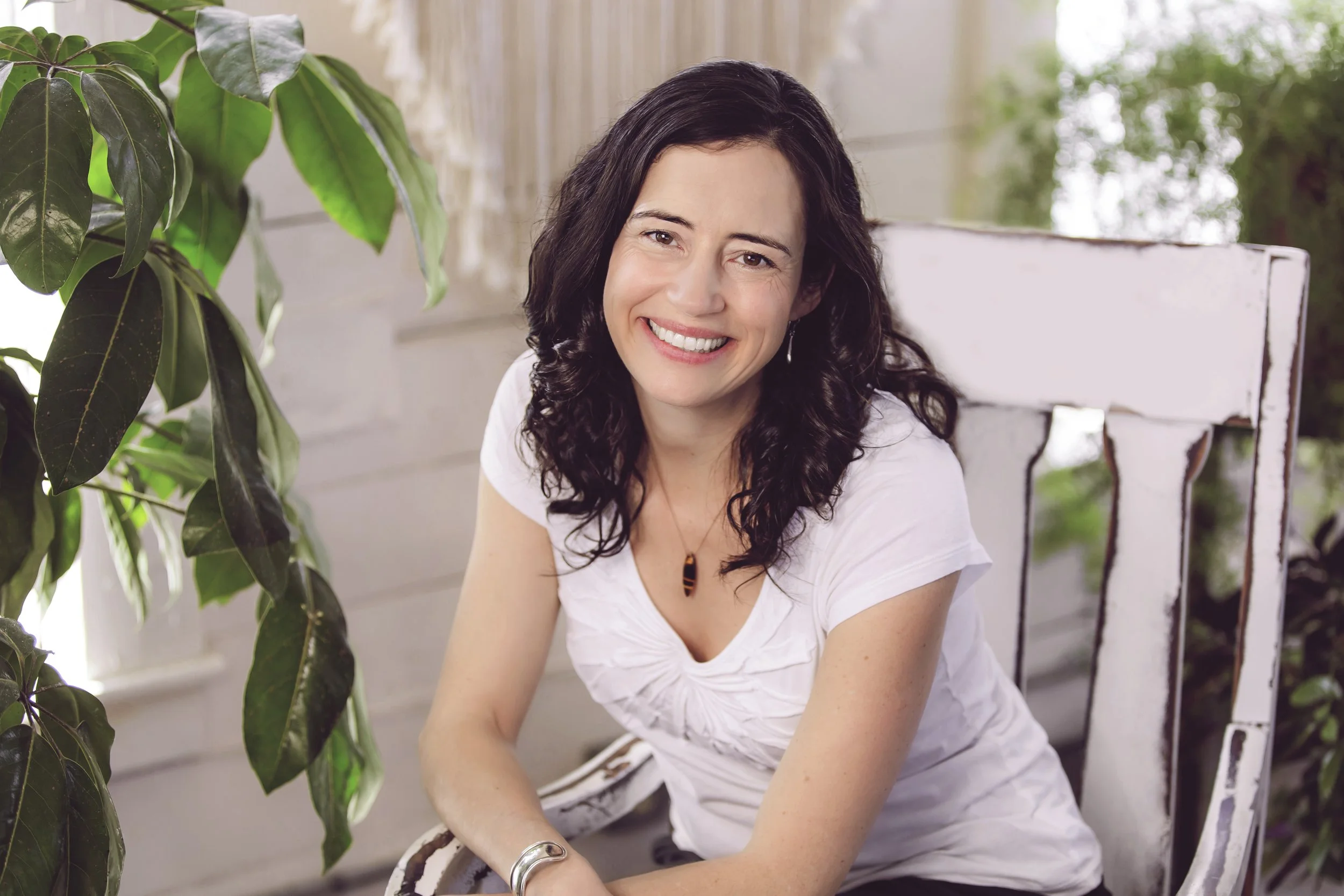
Dr. Laura Chan is a licensed Naturopathic Doctor, Acupuncturist, and certified Qi Gong instructor specializing in emotional-energetic hygiene. She believes true health requires tending to the body’s energetic system as much as the physical, and that unexpressed emotions don’t disappear; they live in the body. Learn more at highfunctioningempath.com and drlaurachan.com.
