
Redefining Masculinity After Forty: Strengths Minus Ego
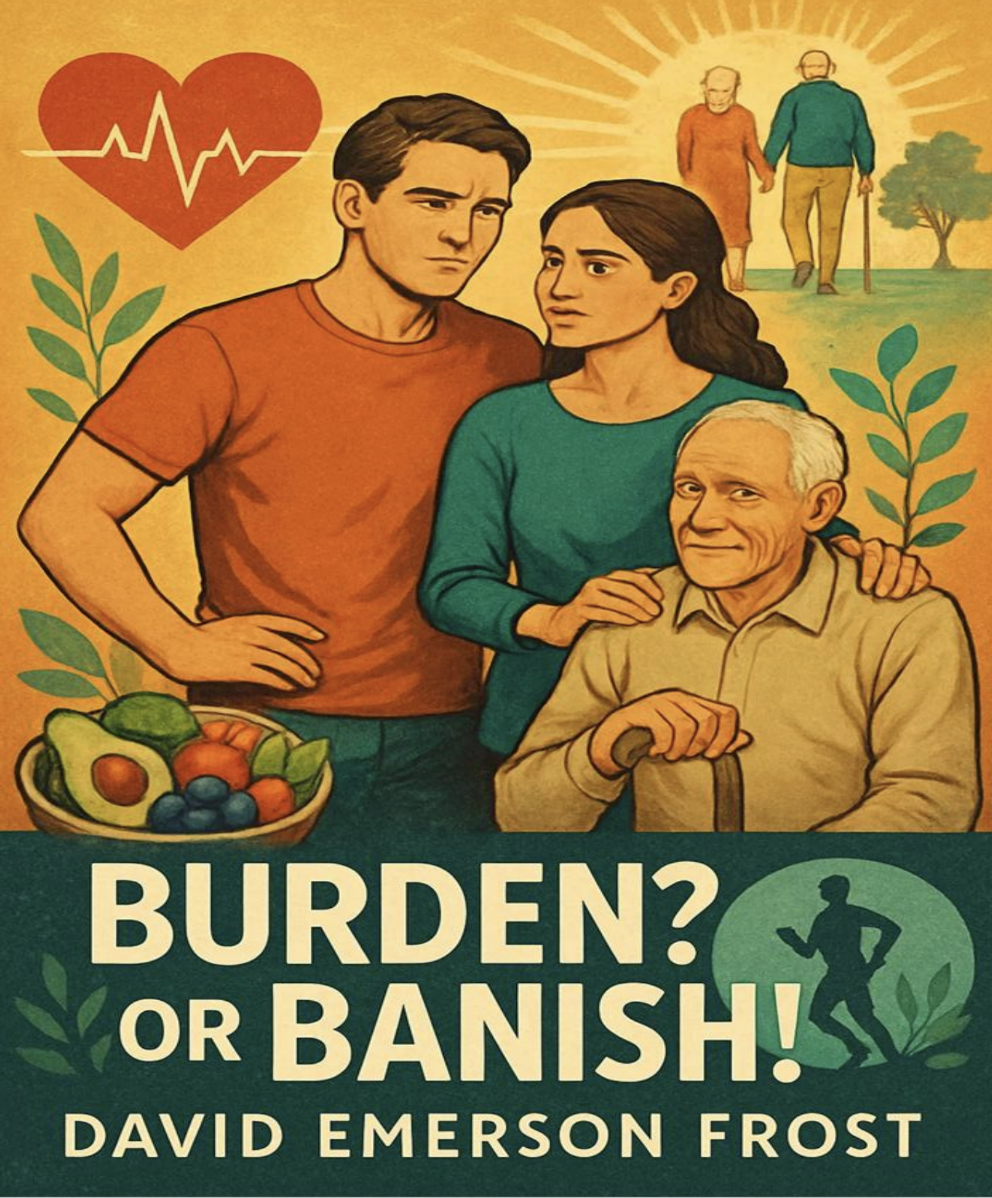
by David Emerson Frost
For much of my early life, I believed strength meant proving something. Proving I was capable. Proving I could endure more than the next person. Like many men, I associated masculinity with performance. How much you could lift, how far you could push, and how tough you could appear when things became difficult.
Time, however, has a way of reshaping those ideas. After forty, strength begins to look different. Not weaker, but wiser. The body speaks more clearly. The ego softens. And the questions shift from “How hard can I push?” to “How well can I live?”
For many men, this transition can feel uncomfortable. We live in a culture that celebrates youthful power and relentless drive. But maturity offers something far more valuable than brute force. It offers perspective.
True strength after forty is not about domination. It is about balance.
When I look back at my own journey, the moments that shaped me most were not the victories that came easily, but the challenges that forced me to grow. Years ago, a serious spinal injury forced me to slow down and rethink everything I thought I knew about toughness. Recovery required patience, humility, and a willingness to listen to the body rather than fight it.
That experience changed how I understand strength.
Strength without ego means recognizing that discipline is not about punishment. It is about stewardship. The body we inhabit is not a machine to be driven into the ground. It is a partner in the long journey of life.
Movement, for example, remains one of the most powerful tools we have for maintaining vitality. But movement after forty is not about proving physical dominance. It is about sustaining energy, protecting mobility, and honoring the remarkable adaptability of the human body. Motion truly is medicine. The goal is not to compete with younger versions of ourselves but to support the person we are becoming.
Masculinity evolves when we shift our focus from performance to responsibility.
For many men, fatherhood becomes the catalyst for this transformation. Whether raising children directly or serving as mentors in our communities, we eventually recognize that others are watching how we live. They observe how we handle adversity. They notice whether we respond to life with anger or with resilience.
Children, especially, are remarkably perceptive teachers. They care little about a father’s achievements or status. What they remember is presence. They remember patience. They remember the quiet consistency of someone who shows up day after day with integrity.
This is where humility becomes an essential part of masculine strength.
Humility does not mean thinking less of oneself. It means understanding that growth never stops. Physical health, emotional maturity, and spiritual awareness are not destinations. They are practices.
Many men reach midlife believing the best years are behind them. In reality, the opposite can be true. The decades after forty can become some of the most fulfilling chapters of life precisely because they are guided by deeper wisdom. The body may change, but purpose expands.
Balanced masculinity recognizes that vitality is built through daily habits rather than dramatic bursts of effort. Small choices compound over time. How we move, how we rest, and how we care for our relationships shape not only our physical health but also our character.
Resilience grows in this quiet space of consistent practice.
There is also a spiritual dimension to strength that often becomes clearer with age. When the noise of ambition begins to fade, we become more attuned to meaning. We begin to ask questions not just about success but about contribution. How can we serve? How can we lift others? How can we live in a way that reflects gratitude for the time we have been given?
Strength without ego emerges from this awareness.
In many ways, the second half of life invites men to redefine what it means to be strong. Not as warriors competing for dominance, but as steady forces within their families and communities. Strength becomes quieter. It becomes patience, consistency, and the courage to keep growing.
With age often comes a deeper awareness that life is not something to conquer but something to care for. The body deserves respect. Relationships deserve attention. Purpose deserves reflection.
Balanced masculinity is not about becoming less strong. It is about becoming more whole. And for many men, that realization begins sometime after forty, when strength finally learns to walk hand in hand with humility.
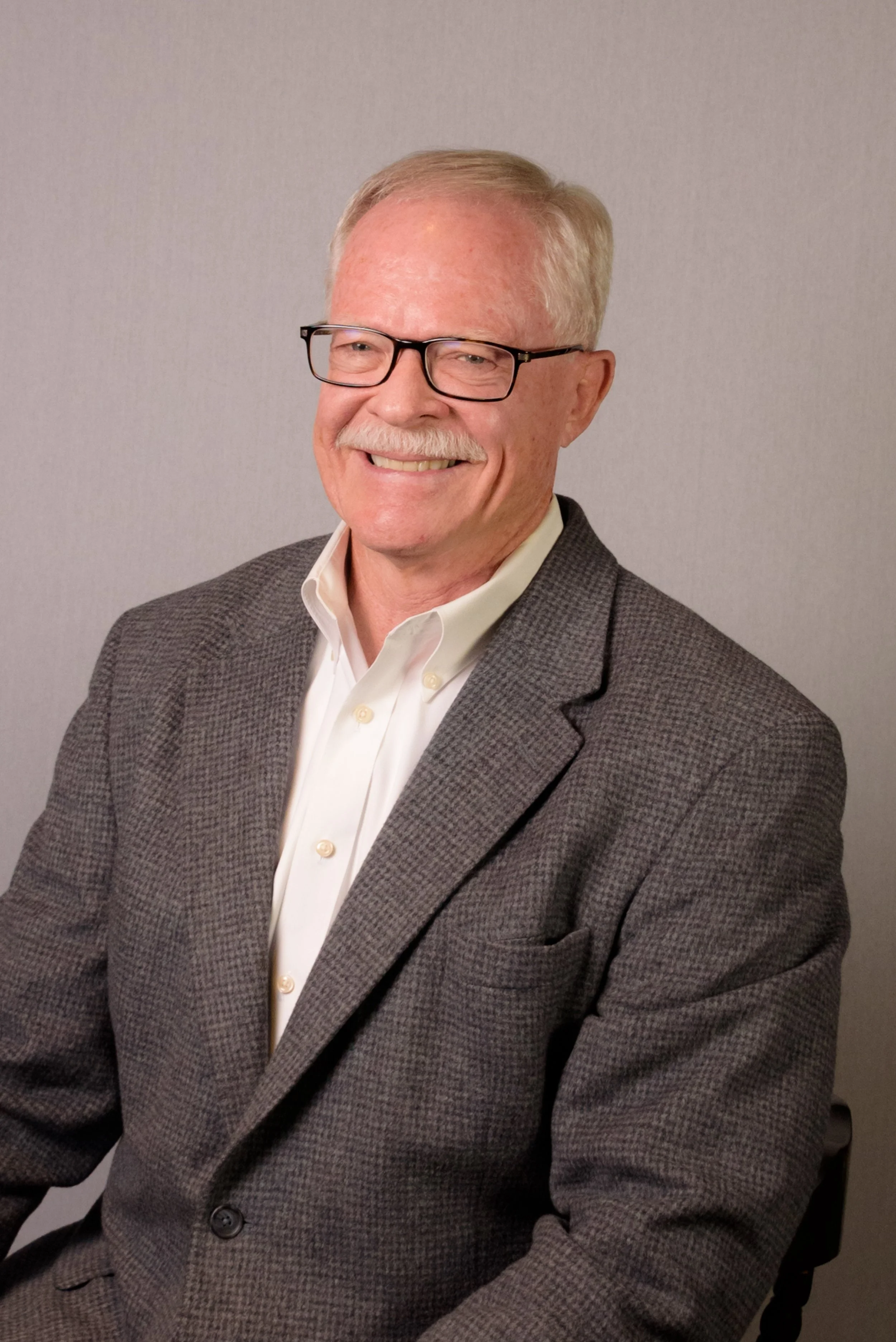
David E. Frost is a health educator and founder of Well Past Forty, where he helps adults stay strong, mobile, and independent as they age through simple, practical movement. Known to many as Coach Dave, he is a world champion and world record holder in Masters rowing, a retired Naval officer, and an adjunct college professor. He is the author of multiple books on healthy aging, including KABOOMER, Strong to Save, and a new book, Burden or Banish. Please learn more at wellpastforty.org and strongtosave.blog.
