
Healing Spaces: How Design Can Promote Harmonious Living and Emotional Well-Being
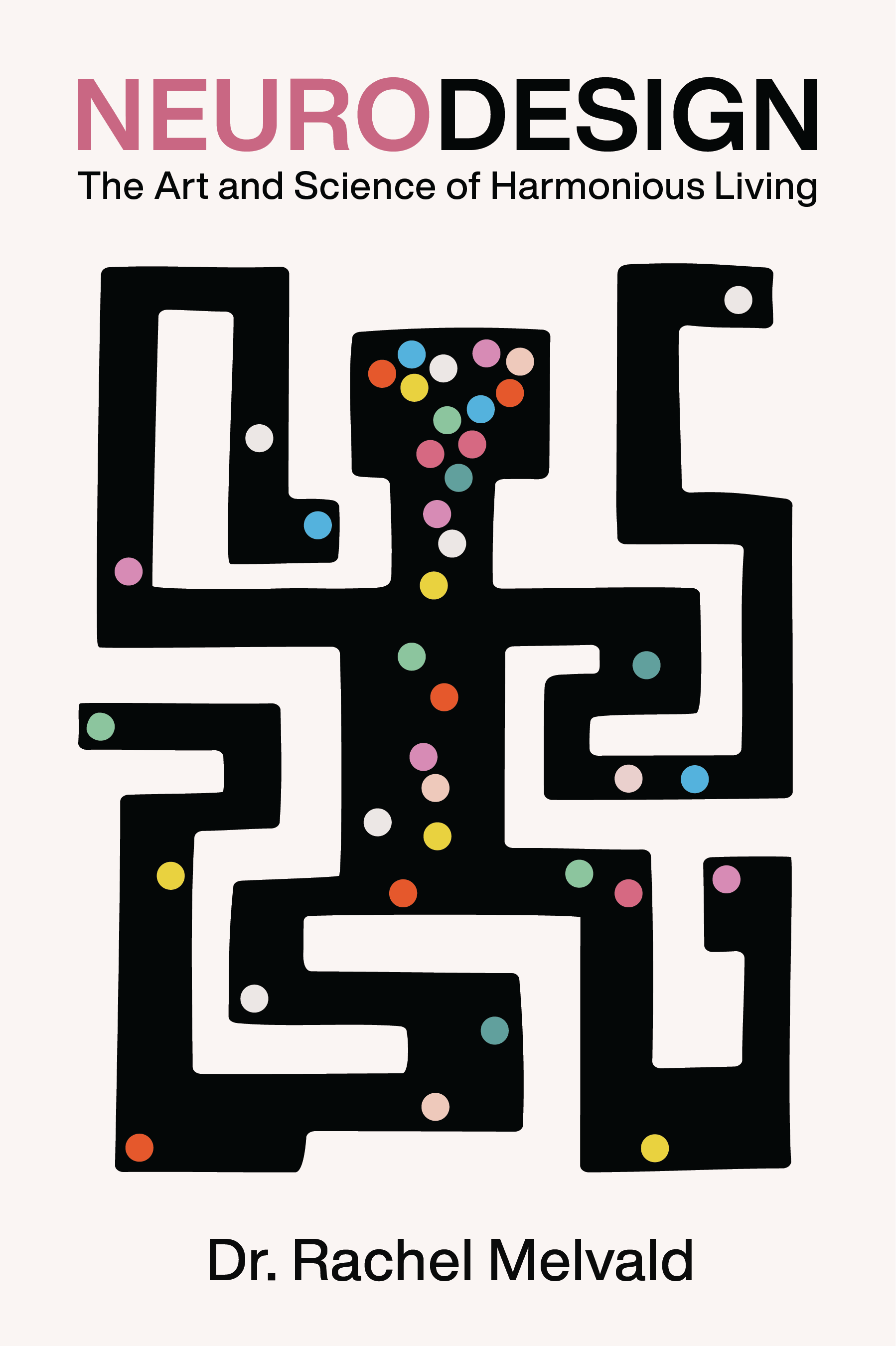
by Dr. Rachel Melvald
Our homes quietly shape us every day. They influence how we wake up, how we recover from stress, how we connect with others, and how safe and secure we feel.
Design is often discussed in terms of beauty or functionality, yet its deeper impact lies in how it affects our nervous systems. When a space is chaotic, overwhelming, or misaligned with our needs, it can intensify stress, burnout, and emotional exhaustion. When it is thoughtfully designed, it can enhance emotional regulation, resilience, and harmony. This understanding is at the heart of neurodesign.
Neurodesign is the art and science of living intentionally in our spaces and with one another. It bridges neuroscience, psychology, and interior design. Our environments directly influence sensory perception, mood, cognition, relationships, and overall neurological health. In many ways, the spaces we inhabit act as silent partners in our mental and emotional lives.
From Chaos to Safety
As I reflect on the role of home in emotional well-being, I recall the heartbreak experienced by friends in Los Angeles who lost their homes to devastating wildfires. Some of those homes had recently been remodeled after long negotiations and planning. Discovering that they were suddenly gone was both a huge material loss and profound psychological rupture for the people who inhabited them. Chaos takes on a new meaning when a home, our most basic secure base, disappears overnight.
When safety is compromised, whether by natural disasters or crime, the nervous system remains on constant alert. Homes located in wildfire zones, flood plains, earthquake-prone areas, or high-crime neighborhoods often carry an invisible psychological cost. Residents may live with chronic unease, hypervigilance, and a persistent sense of instability.
The emotional consequences are significant. Adults may struggle with concentration, emotional regulation, and exhaustion. Children who lose their sense of home or grow up in unsafe environments often experience anxiety, sleep disturbances, and difficulty focusing in school.
When Home Becomes a Stressor
Even without disaster or danger, chaos can take root through poor design. Cluttered spaces, inefficient layouts, overwhelming sensory input, and lack of boundaries all contribute to household dysregulation. Research consistently shows that cluttered environments elevate levels of cortisol, the hormone associated with stress. Piles of paperwork, overflowing entryways, and scattered belongings signal unfinished tasks to the brain, keeping the nervous system activated.
Poor spatial planning compounds the issue. Kitchens without clear work zones make everyday tasks feel difficult. Bedrooms that prioritize storage over rest disrupt sleep. Living rooms with awkward layouts discourage meaningful interaction.
Sensory overload plays a major role too. Excessive noise, harsh lighting, competing visual elements, and inconsistent textures can overstimulate the nervous system, leading many people to feel drained in their own homes without understanding why.
Design also affects relationships. Homes without defined zones for work, rest, and connection may fuel conflict. Open layouts without quiet areas can create tension between people with different sensory needs. Couples may struggle with boundaries when workspaces bleed into living areas. Families may argue over cluttered shared spaces. Over time, these design shortcomings can deepen resentment and emotional distance.
The cumulative effect of household chaos is chronic stress, burnout, and emotional exhaustion. Decision fatigue, declining motivation, and poor sleep are some of the effects. During the COVID-19 pandemic, these dynamics became impossible to ignore. Homes suddenly had to function as offices, classrooms, gyms, and sanctuaries all at once. Families with adaptable, intentional spaces fared better, while poorly designed homes amplified stress and conflict.
The Science of Restoring Harmony Through Neurodesign
Neurodesign is a human-centered approach that considers how layout, lighting, color, texture, and flow affect emotional and neurological health. A neurodesigned home supports achievement, rest, and connection.
Spaces designed for productivity emphasize ergonomic furniture, adjustable lighting, and calming color palettes. Natural light and biophilic elements, such as plants, enhance focus and cognitive performance. Activity zones in kitchens and shared areas encourage movement, collaboration, and creativity.
Equally important are spaces dedicated to rest and recovery. Bedrooms benefit from soft, neutral colors, noise-dampening materials, and lighting that supports circadian rhythms. Reading nooks and meditation corners offer sensory refuge through gentle textures, warm lighting, and comforting scents. These areas signal safety to the nervous system, allowing true restoration.
Connection is another essential pillar. Social isolation has been linked to serious health risks, as highlighted in the U.S. Surgeon General’s 2023 advisory on loneliness. Thoughtfully designed living and dining areas encourage interaction through comfortable seating and intentional layouts. Shared focal points and interactive features strengthen bonds and foster a sense of belonging.
Creating a Harmonious Environment
Many people describe walking into a space with a “good vibe.” Neurodesign suggests that this feeling is not accidental. Color psychology, sensory integration, and spatial flow all contribute to emotional resonance. Blues and greens tend to promote calm, while warmer tones can energize. Soft materials, balanced acoustics, and clear pathways reduce sensory overload. When a home flows effortlessly, stress decreases and comfort increases.
This holistic approach distinguishes neurodesign from purely aesthetic design. Every corner of the home becomes an opportunity to support well-being. Productivity, relaxation, and connection coexist rather than compete.
Home as Sanctuary
The pandemic reshaped our relationship with our homes, forcing us to evaluate how our environments support or constrain us. Furniture, lighting, color, and objects suddenly demanded meaning. We began asking deeper questions about identity, legacy, and emotional attachment.
As relationships change, homes must adapt. Couples navigating shared space, families caring for aging parents, and individuals balancing independence and connection all benefit from flexible, intentional design. Harmonious environments support emotional resilience and healthier relationships by honoring individual needs within shared spaces.
Research consistently confirms the health benefits of intentional design. Natural light improves mood and sleep quality. Thoughtful layouts reduce stress and cognitive overload. Colors influence emotional states. Natural materials and plants lower cortisol levels and enhance well-being. These principles transform homes into tools for health rather than sources of depletion.
Our homes are not passive backdrops to our lives. They actively shape how we feel, interact, and grow. When designed with intention and compassion, they become sanctuaries that support regulation, connection, and healing. Harmonious design allows everyone within a home to feel seen, supported, and capable of thriving.
Dr. Rachel Melvald is a Licensed Clinical Social Worker and the founder of Psychitecture Inc., where she developed NEURODESIGN, a science-backed approach that applies neuroscience, environmental psychology, and trauma-informed principles to homes, workplaces, and community spaces. With a background in psychotherapy and couples work, she helps people design environments that regulate the nervous system, reduce stress, and strengthen connection. She is the author of NEURODESIGN: The Art and Science of Harmonious Living
