
What the Dying Taught Me About Forgiveness — And Why It Can't Wait
by Adam Rizvi, MD
In my years as a neurointensivist, I have been present for more than five hundred deaths. I've held the hands of the dying, watched families say goodbye, and witnessed the mysterious threshold where breath becomes stillness. What I didn't expect was that these encounters would become my greatest teachers—not about death, but about how to truly live.
The ICU is a place stripped of pretense. What remains when everything else falls away is remarkably simple: love, connection, and the quality of our relationships. Again and again, I watched people in their final hours reach not for accomplishments but for reconciliation. For forgiveness.
Those who died most peacefully were not necessarily those with the fewest regrets, but those who had learned to forgive—others, circumstances, and themselves. Those who struggled most were held captive by grievances they'd carried for decades, waiting for the "right time" to let go. There is no right time. There is only now.
One evening, I sat with Andrew as his wife Helen lay dying from a sudden brain hemorrhage. It was a ruptured aneurysm. And she was thirty-four. Their children were at home, too young to understand that their mother would not return.
Andrew was consumed by guilt. He told me about their last argument—something trivial—and how he'd left for work without saying he loved her. Now machines breathed for her, and her hand was warm in his, but she couldn't hear the words he'd saved for later. What struck me wasn't the tragedy, but Andrew's realization: he had been postponing presence. Postponing tenderness. Waiting for a future that was never guaranteed.
In the days that followed, something remarkable happened. Rather than collapsing into bitterness, Andrew began practicing what I can only call radical forgiveness. He forgave himself for the unfinished argument. He forgave the randomness of the universe for taking his wife. He even forgave Helen for leaving—an irrational grief-thought, he admitted, but one that needed releasing nonetheless. Andrew taught me that forgiveness isn't about condoning what happened or pretending pain doesn't exist. It's about refusing to let the past imprison the present. It's a choice to see innocence beneath the surface of every hurt.
The mystics across traditions point toward a truth that death makes visceral: separation is an illusion. In our deepest nature, we are not isolated beings struggling against a hostile universe. We are expressions of something unified, something that some call love. Fear—including our fear of death—is simply the belief that we can be cut off from what we truly are.
The dying often glimpse this. I've seen hardened skeptics soften in their final hours, seen resentments dissolve as if they were never real. Proximity to death thins the veil, revealing that our grievances were never worth the weight we gave them.
But why wait for a tragedy to release what we've been clutching? The great spiritual traditions agree: everything in form is impermanent. Our bodies, our relationships, our carefully constructed identities—all of it is borrowed. This isn't cause for despair. It's an invitation. When we truly accept impermanence, we stop postponing what matters. We stop saving our forgiveness for someday.
I want to offer you something practical. Think of the grievance you've been carrying longest. Maybe it's toward a parent who failed you, a partner who betrayed you, a friend who disappeared. Maybe it's toward yourself. You know the one—the weight so familiar it almost feels like part of you. The one you’re thinking of right now. Yes, that one.
Now ask yourself: What am I waiting for? Forgiveness doesn't require the other person to apologize or change. It doesn't mean what happened was acceptable. You are not “letting them off the hook”. Forgiveness is an interior act. It is a decision to stop drinking poison and expecting someone else to suffer. It's releasing the storyline that keeps you bound to a moment already passed.
You might not forgive completely for now. That's okay. But you can begin. You can set down the stone and notice how much lighter your hand feels. The patients I've accompanied to death's door have given me this gift: the knowledge that time is not promised. That the forgiveness we defer may become our deepest regret. But they've also shown me it's never too late until it's too late. The heart can soften in an instant.
So here is my invitation: Don't wait. The person you need to forgive, the burden you need to release—let it be now. Not because death is coming, but because life is happening. Right now. And it is too precious to spend carrying weight that was never yours to bear. The dying have shown me that love does not know death. It is the one thing that remains when everything else falls away. And it is available to you in this very breath. What are you waiting for?
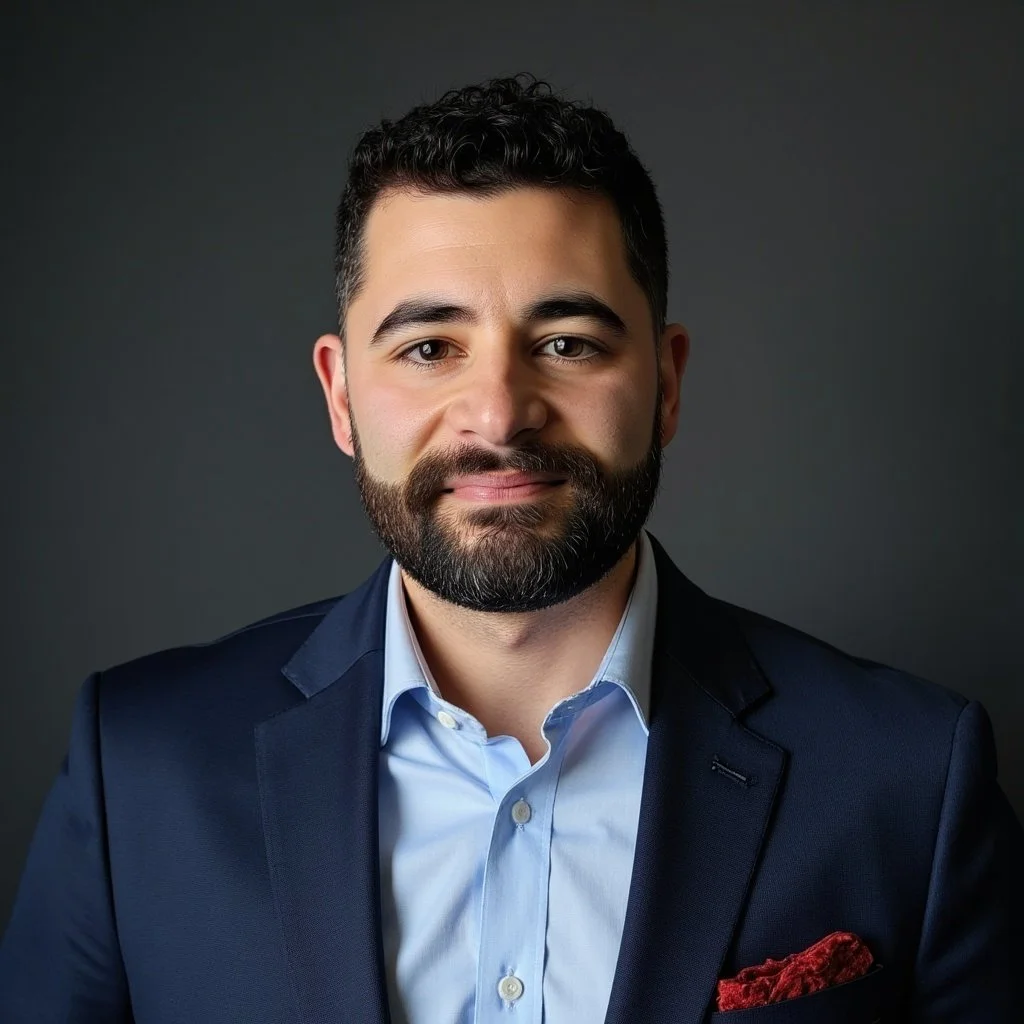
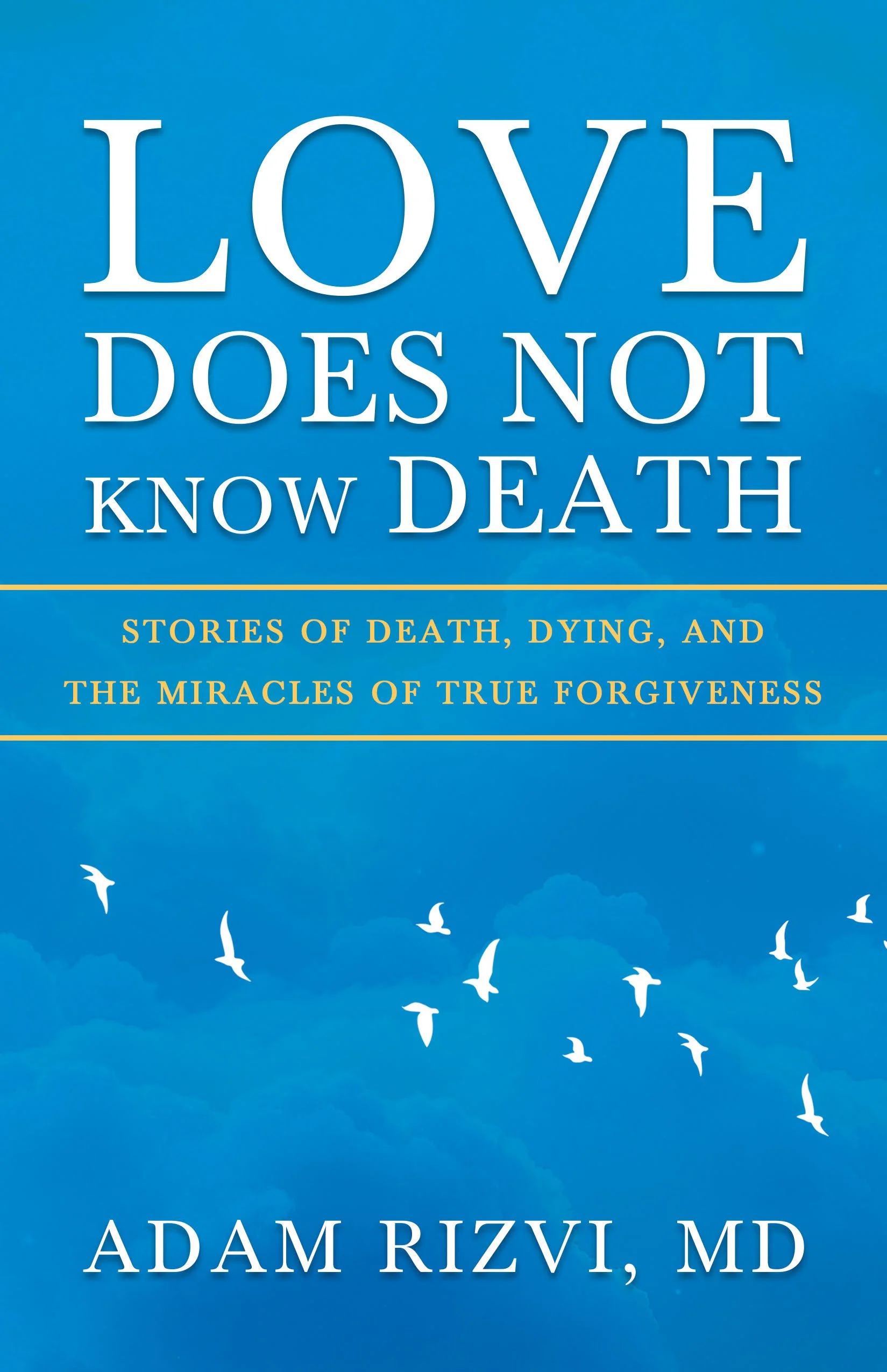
Adam Rizvi, MD, is a neurologist and neurointensivist whose work bridges medicine and spirituality. He is the co-host of the podcast "Letters to the Sky" and writes regularly on his Substack called “Adventures in Kindness” about consciousness, death, spirituality and healing. Adam is also the author of Love Does Not Know Death – Stories of Death, Dying, and the Miracles of True Forgiveness,
